E-mail:sales@bestchickencage.com
E-mail:sales@bestchickencage.com


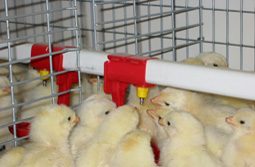
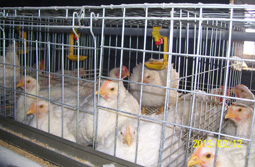
poultry farm chicks also known as pullets have their own special cage designed for them because of their nature, age and sizes. Their cage also come with necessary accessories for their comfortable living. Their feeders and drinkers are so designed in such a way they can find it easy to feed and drink without having any negative effects on them. Isolation and restricted access to the brooding area are of prime importance to control and prevent poultry diseases. Only place day-old poultry farm chicks in properly cleaned and disinfected houses, and ensure the house is at 36C when poultry farm chicks arrive.
Brooding period: The first week can be termed the brooding period. Post-hatch, poultry farm chicks are cold-blooded for the first five days of life, unable to maintain their body temperatures at 40-41C, and dependent on external heat sources. Consequently, air temperature is among the most important factors for successful rearing. Using an infrared thermometer, chick body temperature can be monitored, and the house temperature adjusted as necessary.
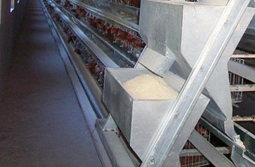
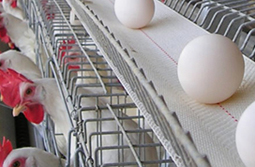
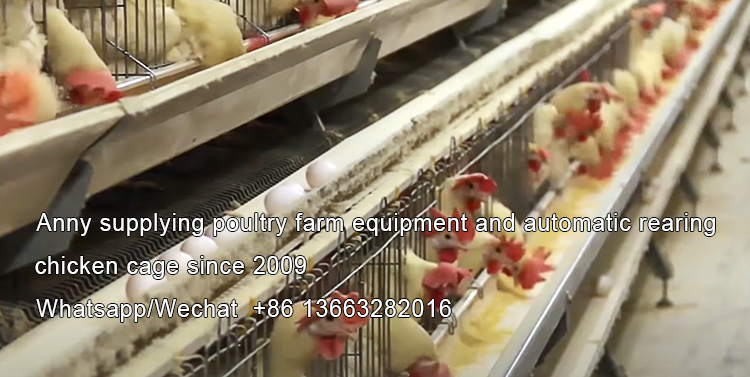
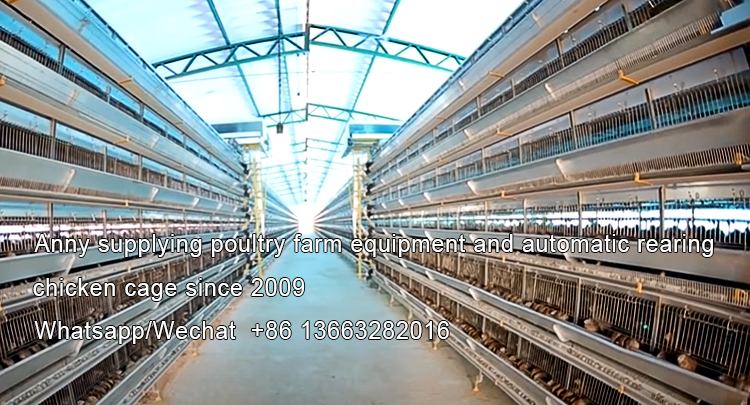
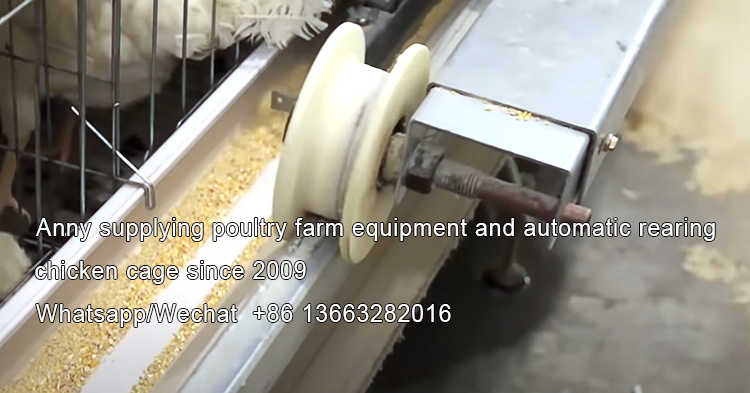
Hebei Best Machinery Equipment Co., Ltd., cage net and steel frame using hot dip galvanizing service life of up to 15 years, the battery cage to achieve automatic feeding, egg collection, cleaning dung,
labor cost saving and high labor efficiency.If you are interested, please contact us .
But crucial mistakes are often observed in the poultry house:
Reference thermometer not at chick level. At 50cm above chick level, there can be a temperature difference of 2-3 C
Behaviour ignored. Looking at the thermometer is not enough, chick behaviour must also be closely watched. Some flocks are comfortable with 34C during the first 24 hours, others need 26C. poultry farm chicks should be evenly spread throughout the barn. If huddled, they are cold, while if inactive with spread wings they are too warm.
Air humidity. To ensure heat distribution across the poultry house, and to prevent poultry farm chicks dehydrating, air humidity must be at least 60 percent. If not, poultry farm chicks will feel uncomfortable, despite the temperature being correct. Humidity is easily improved, for example through moistening areas where poultry farm chicks are not present, or by hanging wet sheets.
Lighting: On arrival, poultry farm chicks have already endured a long transportation period. For day-old poultry farm chicks, it is normal to have 24-hour lighting for the first 2-3 days, allowing them to recover and to eat and drink ad libitum.
However, while some poultry farm chicks rest after arrival, others seek out food or water; flock activity will always be uneven. At this stage, it can be difficult to accurately assess chick behaviour and condition. An intermittent lighting program can be used over the first 7-10 days post-hatch. This divides the day into resting and activity phases, and aims to synchronize chick activity to make it easier for staff to assess flock condition and to stimulate food and water intake through group behaviour.
Feed and water: Poultry growers should aim to feed and water day-old poultry farm chicks as quickly as possible on arrival to minimize first week mortality. The sooner they eat, the better they metabolize the yolk sack nutrients, lowering the risk of yolk sack infection.
There must be enough space between feeders and drinkers and, after veterinary consultation, electrolytes can be added to the water. Keeping the water temperature at 22-25C aids water intake.
Feeding best quality mash or crumbled feed is not recommended during this period. Only non-saturated fatty acids, such as linoleic acid, can be utilized by the poultry farm chicks and should be added to the feed.
Four diets – starter, grower, developer and pre-layer – during the brood/grow period are adequate for poultry farm chicks/pullets. Each should be supplemented with vitamins and minerals and should be fed until breeding company target weight is achieved.
The main mistakes seen in rearing house are:
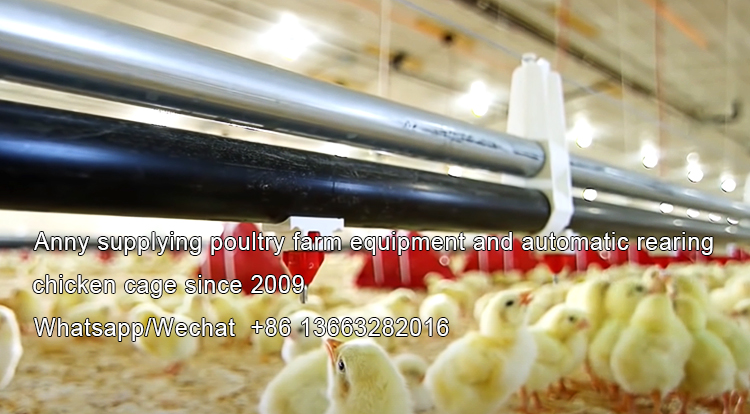
Nipple drinkers too high. During the first days, they should be at the chick eye level. poultry farm chicks must be able to operate the nipples easily, so water pressure must be low.
Too few drinkers and feeders. Birds should not have to search for feed and water. Birds that do not drink do not eat.
If birds arrive beak trimmed, open water sources, for example round drinker cups, must be available.Water in round drinkers must be regularly changed and lines flushed. Pipes must be thoroughly cleaned and care taken to ensure no disinfectant residues taint the drinking water.
Our china poultry farm chicken battery layer cage and chicks equipment factory
Hebei Best Machinery And Equipment Co., Ltd.,found in 1996, 360KM from BEIJING city, from raw materials to finished products, strict implementation of ISO 9001:2008 quality management system.
Our Nigerian branch poultry chicken battery layer cage and chicks equipment factory
Rose of Sharon Plaza by Oko filing bus stop, Igando road, opposite Oando filling station, Lagos, production line is from our Chinese factory directly, 3 to5 years longer using than local battery battery cage egg layer battery cage.
If you have any planon battery cage or chicks farming, please free to contact me, I supplying poultry farm chicken egg equipment and automatic rearing chicken layer battery cage since 2009.
Anny Wang, Whatsapp/Wechat +86 13663282016
SEND YOUR MESSAGE TO US
(* We will reply your inquiry to this Email as soon as we see it.)RECENT BOLGS
CONTACT US
HOT PRODUCTS