E-mail:sales@bestchickencage.com
E-mail:sales@bestchickencage.com


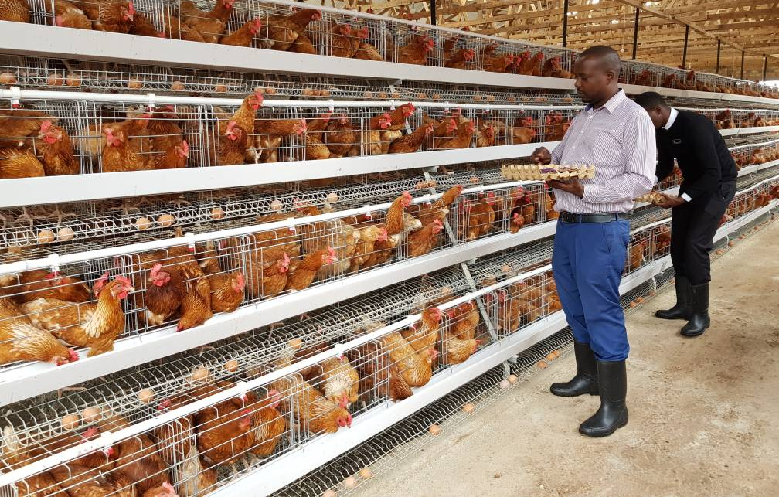
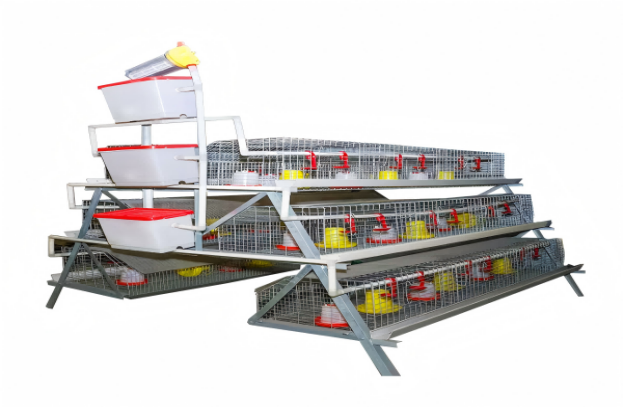
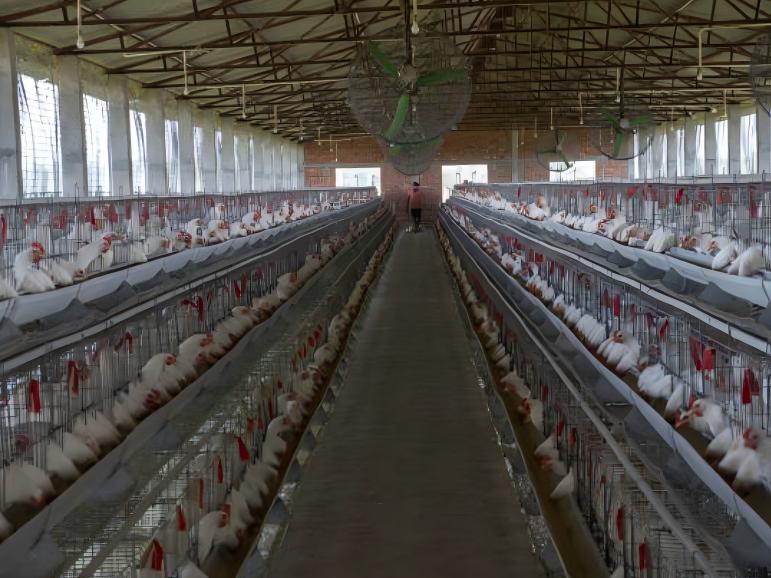
Automatic manure removal significantly improves hygiene and lowers ammonia accumulation inside Nigeria battery cage for broiler houses.
Modern broiler units generate large amounts of manure per cycle, requiring reliable removal systems to avoid disease pressure.
Automated belts reduce labor needs, protect bird welfare, and stabilize environmental conditions.
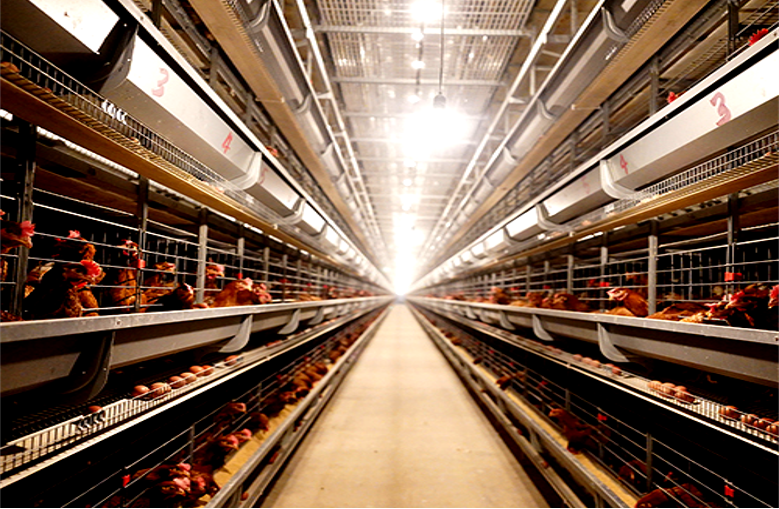
Cleaner barns support better growth, uniformity, and final processing quality.
This article provides real-world data, comparisons, system parameters, and practical outcomes farmers expect when upgrading manure management systems.
Modern broiler operations using Nigeria battery cage for broiler systems face one universal challenge—manure volume grows as fast as the flock itself.
A 20,000-bird broiler cycle can generate 21–24 tons of manure within 42 days.
Without an automated solution, producers deal with labor shortages.
Ammonia spikes occur.
Disease transmission rises.
Automatic manure belts in Nigeria battery cage for broiler units reduce daily ammonia by 35–55%, minimize wet-litter hotspots, and keep footpad lesions below 3%.
The result is cleaner barns, healthier birds, and lower labor costs.
Below are five data-rich tables showing how manure removal technology transforms broiler performance.
Data is for reference only. Swipe horizontally to view full table.
| Bird Age (Days) | Average Manure Per Bird (G/Day) | Ammonia Level Without Belts (Ppm) | Ammonia Level With Belts (Ppm) |
| 7 | 18–22 | 12–15 | 6–7 |
| 14 | 35–42 | 20–26 | 9–12 |
| 21 | 60–72 | 32–40 | 13–17 |
| 28 | 82–90 | 40–48 | 18–21 |
| 35–42 | 110–130 | 52–65 | 22–29 |
Nigeria battery cage for broiler installations typically reduce ammonia by 50%, supporting higher growth rates and lower mortality.
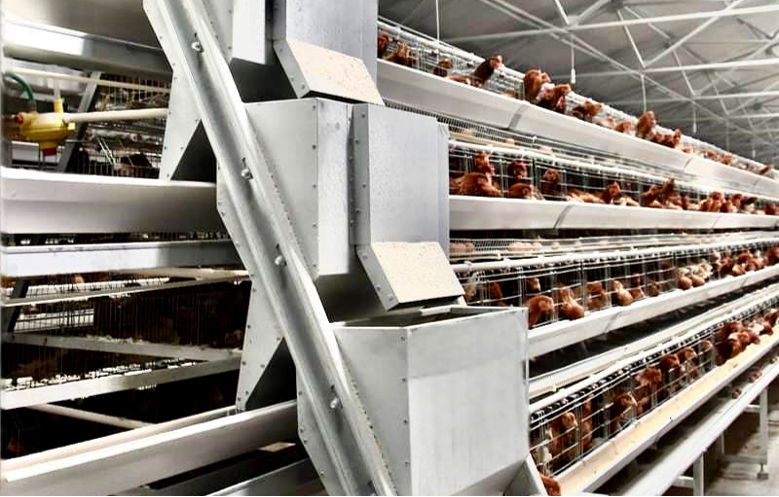
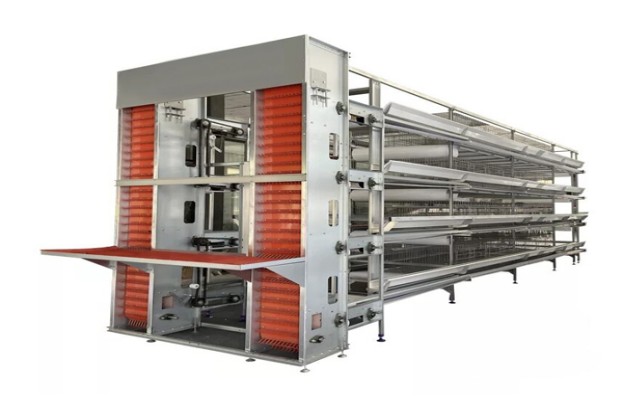
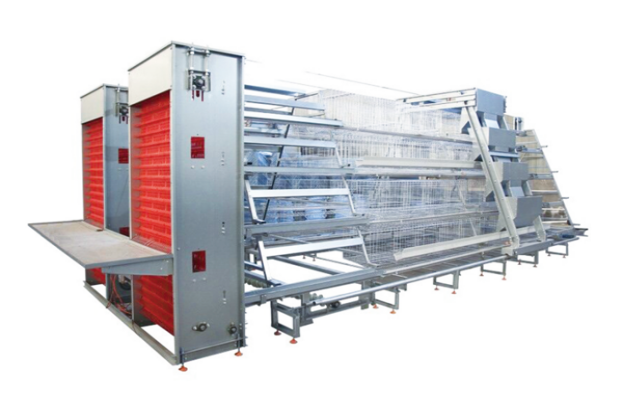
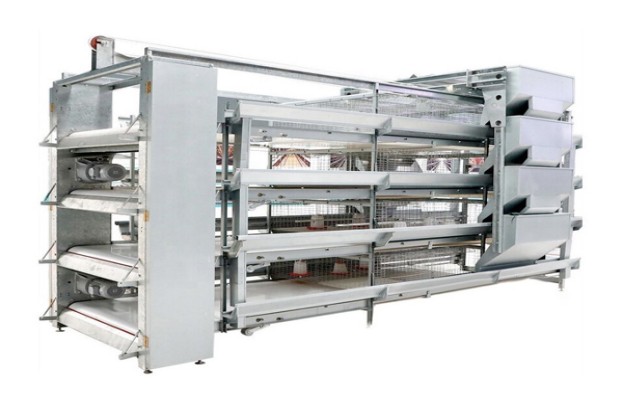
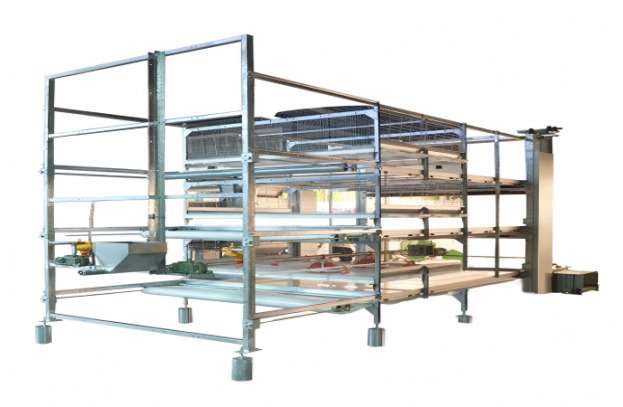
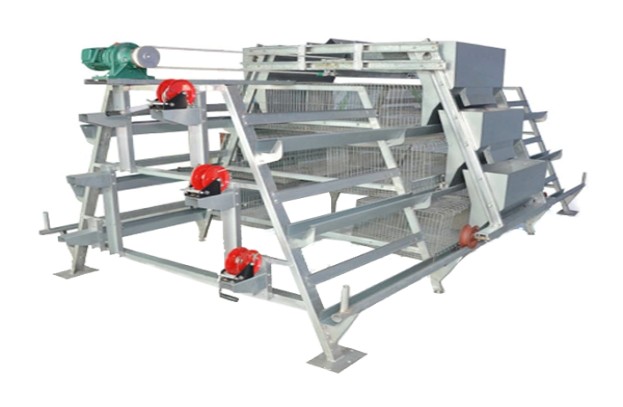
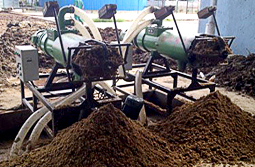
Most modern Nigeria battery cage for broiler units use polypropylene belts placed under each cage tier.
Belts collect droppings, and a gear-motor pulls them toward a transverse conveyor.
A final inclined conveyor sends manure outdoors to a composting area or drying pit.
Key specs for a 30,000-bird installation include:
Belt width between typical industry ranges
Reliable motor output
Moisture reduction capacity
Adjustable daily removal cycles
Data is for reference only. Swipe horizontally to view full table.
| Component | Typical Specification | Data Notes |
| Belt Material | PP, 1.1–1.2 mm thick | Heat-resistant up to 80°C |
| Motor Output | 0.75–1.5 kW | Depends on cage length & number of tiers |
| Belt Speed | 2.5–4.0 m/min | Adjustable by frequency converter |
| Reduction Gear Ratio | 1:30–1:50 | Ensures smooth pulling |
| Belt Lifespan | 6–8 years | Under twice-daily scraping cycles |
Automatic manure systems support consistent hygiene inside every Nigeria battery cage for broiler row, reducing flies by 70–85%.
High ammonia affects feed conversion ratio, eye lesions, footpad dermatitis, and coccidial outbreaks.
Automatic manure removal ensures ammonia stays at lower and safer levels.
When Nigeria battery cage for broiler systems run belts twice daily, farms typically observe performance improvements and cleaner carcasses.
Data is for reference only. Swipe horizontally to view full table.
| Parameter | Without Belts | With Automatic Belts | Improvement (%) |
| Final Body Weight (Kg) | 2.25–2.35 | 2.36–2.48 | +4–6% |
| FCR | 1.62–1.70 | 1.55–1.64 | -3–4% |
| Mortality | 4.0–5.2% | 2.6–3.4% | -30–40% |
| Carcass Contamination Rate | 13–18% | 6–9% | -45–55% |
| Footpad Lesion Score | 1.5–2.0 | 0.4–0.8 | -55–70% |
The synergy between environmental control and Nigeria battery cage for broiler design amplifies all health benefits.
Manual manure removal requires a full crew in medium-size broiler farms.
Automatic belts reduce labor drastically while keeping electricity consumption low.
This improves ROI and system efficiency for Nigeria battery cage for broiler facilities.
Data is for reference only. Swipe horizontally to view full table.
| Item | Manual | Automatic | Difference |
| Daily Labor Required | 4–6 workers | 1 worker | -75% |
| Monthly Labor Cost (₦) | ₦420,000–₦630,000 | ₦120,000–₦160,000 | Save ₦300,000–₦470,000 |
| Electricity Cost (₦/month) | 0 | ₦38,000–₦58,000 | Added cost |
| Total Monthly Expenses (₦) | ₦420,000–₦630,000 | ₦158,000–₦218,000 | Net savings: ₦260,000–₦410,000 |
| Payback Period | — | 8–12 months | Fast ROI |
Automatic systems in Nigeria battery cage for broiler farms often recover their investment within one production year.
Automatic removal reduces moisture compared with static manure accumulation.
This improves composting quality and minimizes odor.
Centralized drying reduces transportation costs in farms using Nigeria battery cage for broiler installations.
Data is for reference only. Swipe horizontally to view full table.
| Removal Frequency | Moisture Level (%) | Odor Intensity | Fly Population Index | Composting Time (Days) |
| Once Every 3 Days | 60–68 | High | 100% baseline | 23–28 |
| Once Daily | 48–55 | Medium | 65–70% | 18–22 |
| Twice Daily | 40–49 | Low | 20–30% | 13–17 |
| Continuous (Premium Systems) | 36–42 | Very Low | <15% | 10–14 |
Twice-daily removal achieves the best balance for Nigeria battery cage for broiler operations.
Automatic manure belts integrate with:
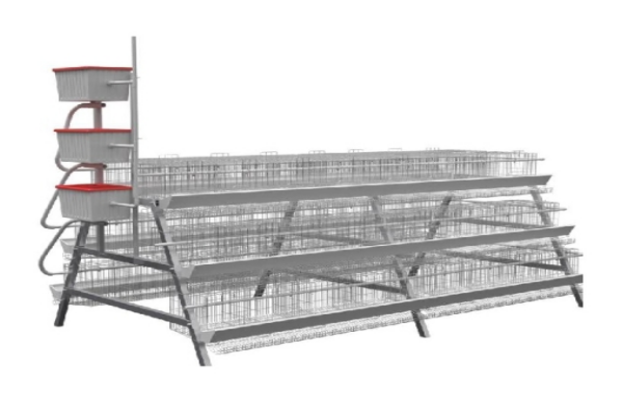
A-type cages
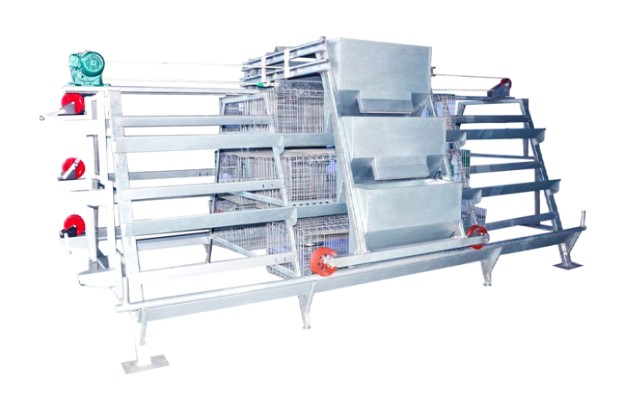
H-type cages
Multi-tier layouts
Basic ventilation controllers
Optional solar inputs
Most Nigeria battery cage for broiler houses between 10,000 and 50,000 birds benefit from scalable belt systems.
Modern Nigeria battery cage for broiler farms increasingly adopt IoT-based manure and environment monitoring tools.
Real-time ammonia sensors provide continuous readings, with typical ranges fluctuating between 8 ppm and 22 ppm.
Smart controllers automatically activate belts when thresholds are exceeded.
Cloud dashboards allow farmers to check belt status, manure load estimates, and humidity variations from smartphones or tablets.
Nigerian integrators report that IoT-enabled manure systems improve response speed to ventilation failures by 35–45%, protecting broilers from sudden ammonia surges.
1. How often should manure belts run in Nigeria battery cage for broiler houses?
Most farms operate belts once or twice daily, depending on flock density and moisture levels.
2. Does automatic manure removal reduce ammonia enough to improve bird health?
Yes. Ammonia typically drops by 35–55%, improving FCR, mortality, and carcass cleanliness.
3. Can existing manual systems be upgraded to automatic belts?
Most A-type and H-type Nigeria battery cage for broiler installations can be retrofitted with belt motors and conveyors.
Vanke (China-Nigeria) offers complete poultry farm equipment solutions for broiler operations worldwide.
We provide poultry cages, automatic manure systems, feeding lines, drinking systems, and turnkey poultry farm projects.
Factory direct sales ensure cost efficiency for farms of all sizes, supporting operations from 10,000 to 50,000 birds.
Our global network delivers to over 30 countries, with technical teams assisting farm layout, installation, and optimization.
Clients benefit from real data-backed improvements: up to 40% labor reduction, 35–55% ammonia decrease, and 5–7% higher flock uniformity.
Headquarters And Branchs
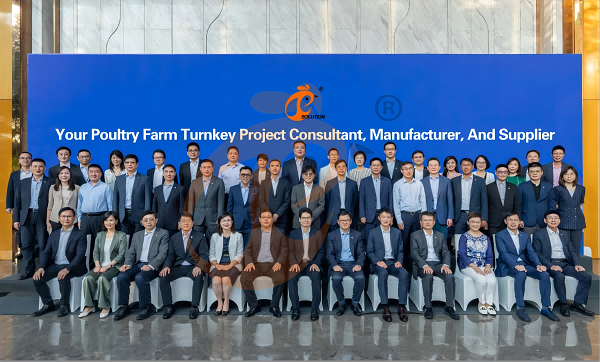
Hong Kong Headquarter Management Team
Hong Kong Headquarter Taiyu Industrial Group CO., LTD
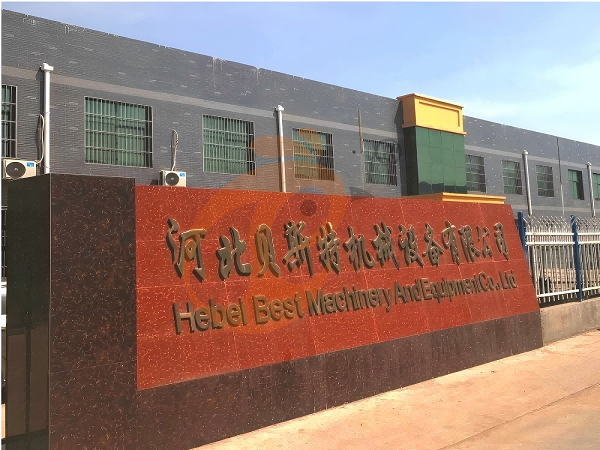
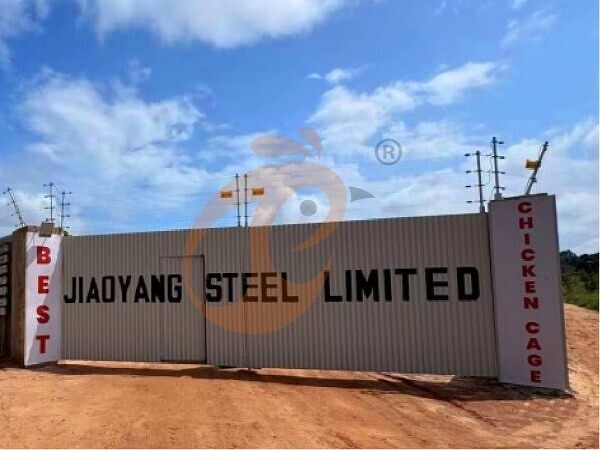
China Hebei Best Machinery And Equipment CO., LTD
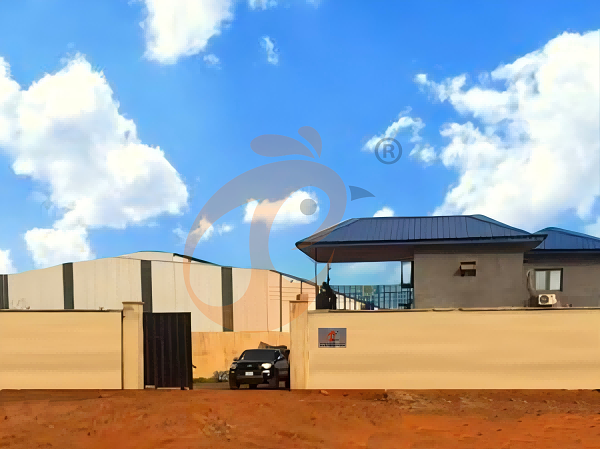
Nigeria Vanke Machinery And Equipment CO., LTD
Tanzania Best Machinery And Equipment CO., LTD
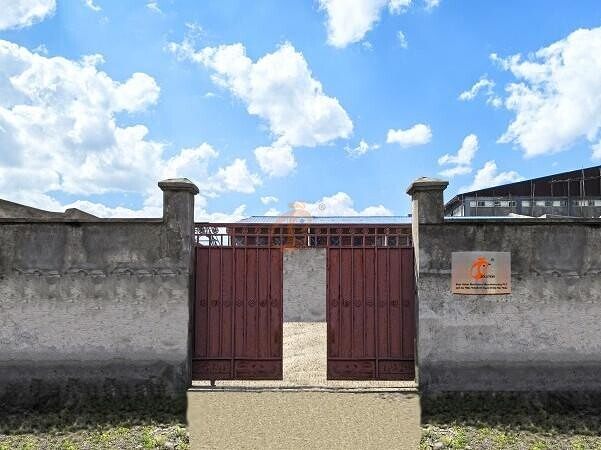
Ethiopia Best Hebei Machinery Manufacturing PLC
Reception /24 WhatsApp NO. : +8618830120193
SEND YOUR MESSAGE TO US
(* We will reply your inquiry to this Email as soon as we see it.)RECENT BOLGS
Comments
CONTACT US
HOT PRODUCTS