E-mail:sales@bestchickencage.com
E-mail:sales@bestchickencage.com


Poultry farming has become one of the fastest-growing sectors in Nigeria, contributing significantly to the country's agricultural GDP.
Modern Nigeria poultry farm equipment helps increase overall productivity and operational efficiency
Reduces manual labor and operational overhead
Ensures consistent production quality and poultry health
Optimizes space utilization and resource management
Supports sustainable and environmentally friendly practices
Enables farmers to scale operations without proportional cost increases
Improves traceability and data management across all farm activities
Modern Nigeria poultry farm equipment provides several advantages over traditional farming methods.
Equipment such as automatic feeders, waterers, incubators, and climate control systems allows farmers to manage large flocks with minimal labor.
Farms using advanced equipment can experience reductions in labor costs and improvements in production efficiency.
In addition, proper equipment reduces errors in daily operations and ensures consistent poultry growth patterns.
Automated systems also help maintain environmental parameters more accurately than manual methods.
Data is for reference only. Swipe horizontally to view full table.
| Equipment Type | Labor Reduction (%) | Cost Savings (NGN) |
| Automatic Feeders | 25% | 200,000 |
| Automatic Waterers | 20% | 150,000 |
| Climate Control | 35% | 300,000 |
| Egg Incubators | 30% | 250,000 |
Automated systems also improve biosecurity.
Reducing direct human contact with poultry lowers the risk of disease transmission.
These benefits contribute to healthier flocks, reduced veterinary costs, and more stable production outcomes.
Investing in the right equipment is crucial for operational efficiency.
The most commonly used Nigeria poultry farm equipment includes:
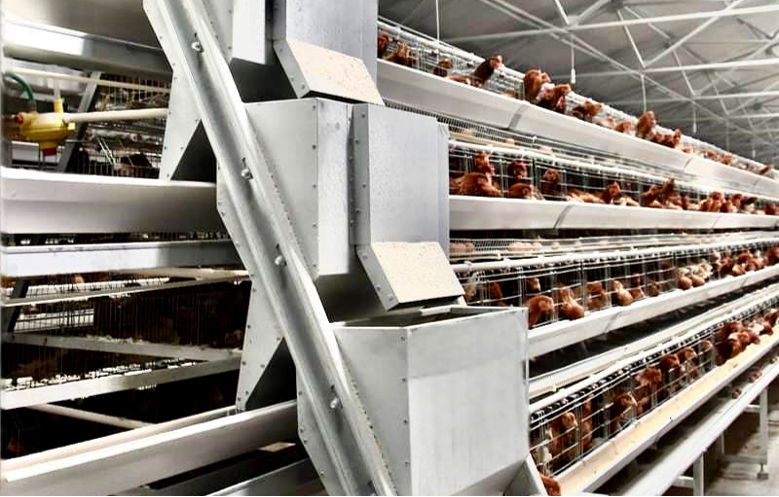
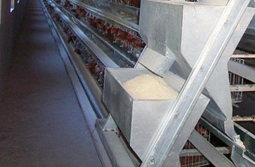
Automatic feeders: Provide consistent feed distribution and reduce waste
Automatic waterers: Ensure constant access to clean water for optimal growth
Climate control systems: Maintain stable temperature and humidity, improving poultry health
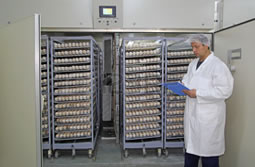
Egg incubators: Offer precise hatching conditions to increase hatchability
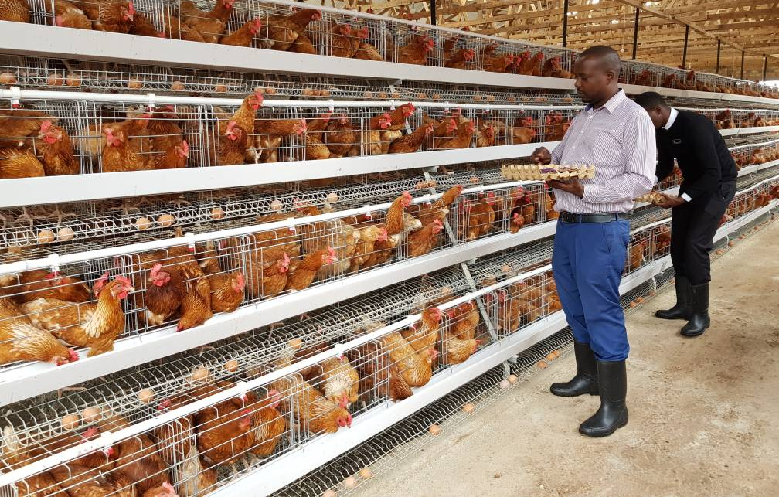
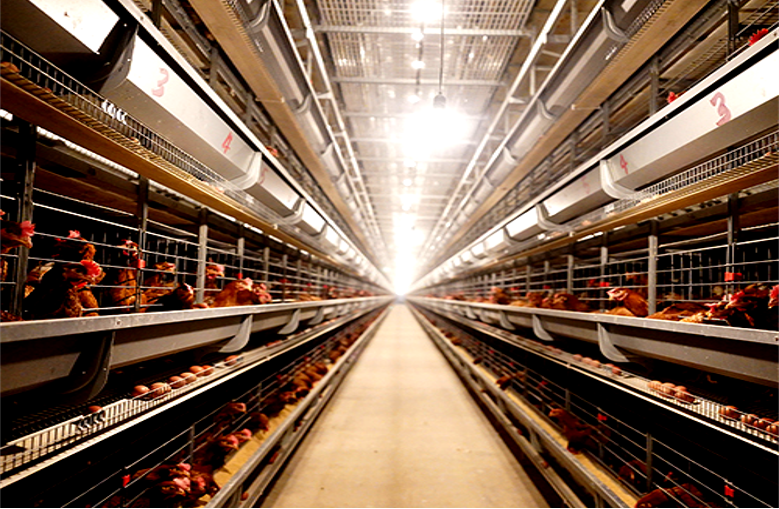
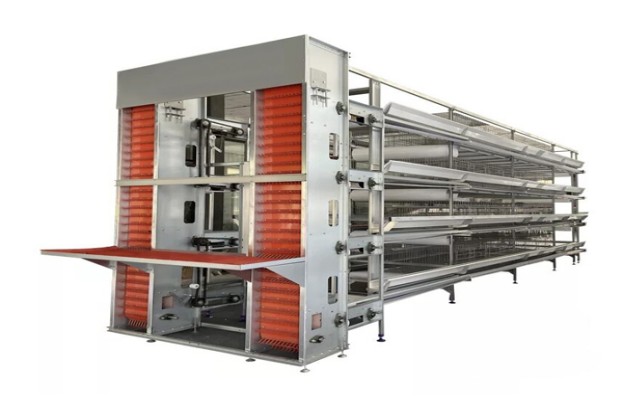
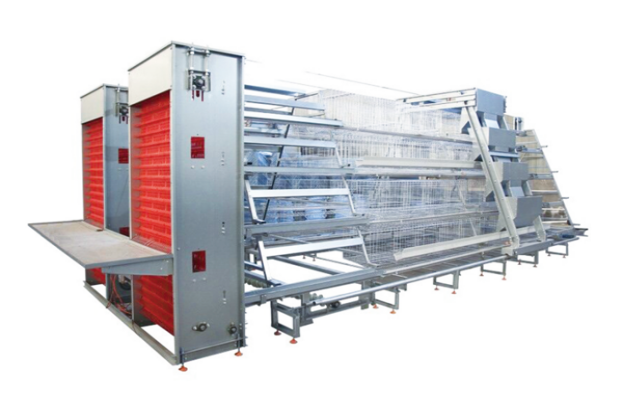
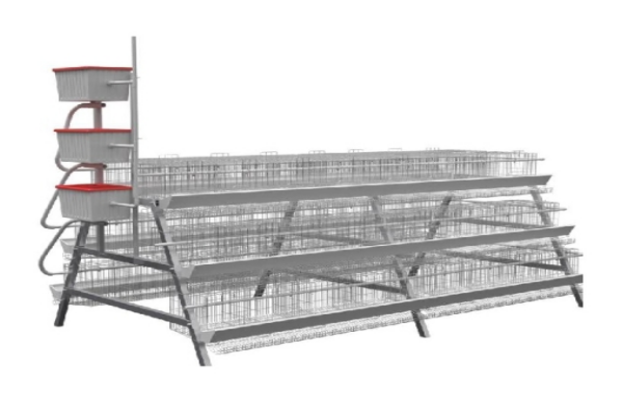
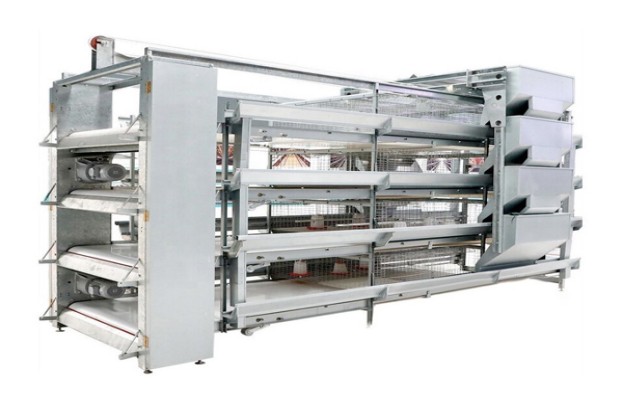
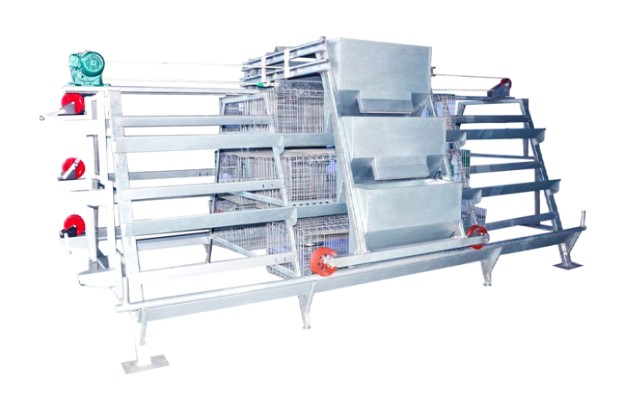
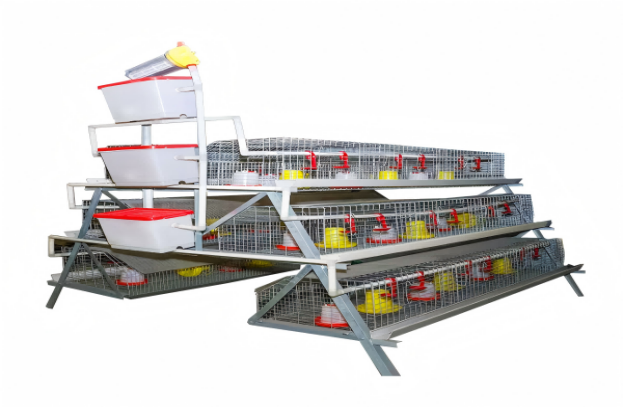
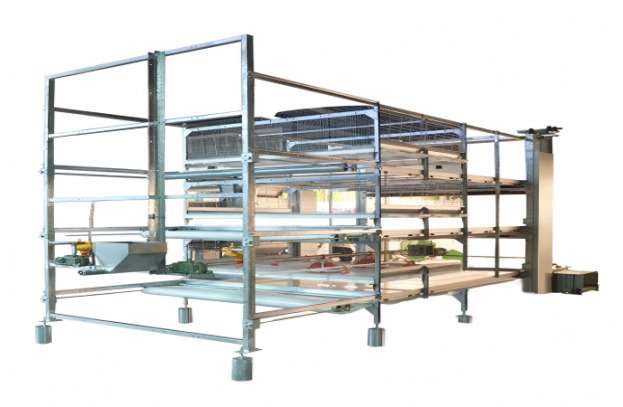
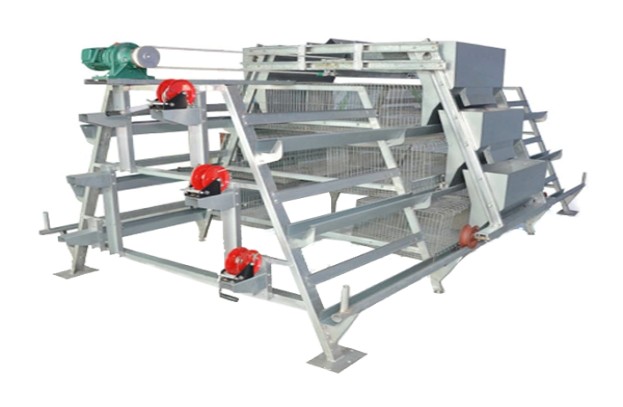
Cage systems: Optimize space usage and reduce stress-related mortality
By combining multiple types of equipment, farmers can achieve a synergistic effect,
where improvements in feed management, temperature control, and housing reduce stress on poultry and improve growth rates.
Data is for reference only. Swipe horizontally to view full table.
| Equipment Type | Production Increase (%) | ROI (Months) |
| Automatic Feeders | 15% | 6 |
| Automatic Waterers | 10% | 5 |
| Climate Control | 20% | 8 |
| Egg Incubators | 18% | 7 |
| Cage Systems | 12% | 6 |
The implementation of Nigeria poultry farm equipment enhances operational efficiency in multiple ways:
Labor optimization: Less manual work allows farmers to focus on management
Feed management: Automatic feeders help control feed distribution and reduce wastage,
lowering operational costs and helping predict monthly feed requirements more accurately
Energy efficiency: Modern equipment consumes less energy per unit output,
which allows farms to maintain sustainable electricity usage while expanding operations
Disease prevention: Automated handling and improved sanitation reduce mortality
and minimize exposure to pathogens that could spread rapidly in dense flocks
Data is for reference only. Swipe horizontally to view full table.
| Metric | Traditional Method | With Equipment | Improvement (%) |
| Labor Hours/Week | 120 | 70 | 41.7% |
| Feed Waste (%) | 12 | 9 | 25% |
| Mortality Rate (%) | 10 | 8 | 20% |
| Energy Consumption (kWh) | 2000 | 1500 | 25% |
Proper feed storage and management is essential for maximizing poultry farm efficiency. Key aspects include:
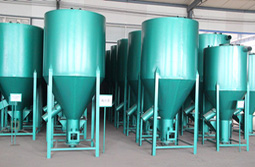
Modern silos: Using moisture-controlled silos reduces feed spoilage by approximately 18–22% annually
Automated bins: Automated storage bins maintain consistent feed quality and prevent nutrient degradation
Pest control: Improved storage methods lower the risk of pest contamination, decreasing veterinary costs by 5–7% per year
Consumption monitoring: Automated feed monitoring tracks real-time consumption patterns, enabling proactive adjustments to feeding schedules
Flock uniformity: Effective feed management improves flock uniformity by up to 15%, resulting in more predictable growth and production
Operational planning: Detailed feed data supports better forecasting, inventory planning, and reduces overall operational waste
Investing in Nigeria poultry farm equipment requires initial capital, but long-term benefits outweigh costs.
On average, farms report an overall efficiency improvement ranging from 40% to 50% within the first year.
By reducing operational inefficiencies, farms also experience indirect cost savings in veterinary care, feed management, and labor allocation.
This makes high-quality equipment a critical investment for both small-scale and commercial operations.
Data is for reference only. Swipe horizontally to view full table.
| Equipment Investment (NGN) | Annual Savings (NGN) | Payback Period (Months) | Efficiency Gain (%) |
| 1,000,000 | 450,000 | 27 | 45% |
| 2,500,000 | 1,200,000 | 25 | 48% |
| 5,000,000 | 2,500,000 | 24 | 50% |
Several poultry farms in Nigeria have successfully implemented modern Nigeria poultry farm equipment.
For example, a mid-sized poultry farm in Lagos introduced automatic feeders, waterers, and incubators.
Within six months, they recorded significant improvements in labor efficiency, feed management, and hatchability.
Continuous monitoring and adjustment of feed and climate parameters ensured consistent production gains across multiple flocks.
Data is for reference only. Swipe horizontally to view full table.
| Metric | Before Equipment | After Equipment | Change (%) |
| Labor Cost (NGN/Month) | 500,000 | 300,000 | -40% |
| Feed Wastage (%) | 15 | 10 | -33% |
| Hatchability Rate (%) | 70 | 84 | +20% |
| Mortality Rate (%) | 12 | 9 | -25% |
The demand for Nigeria poultry farm equipment continues to rise due to urbanization, increasing incomes, and higher protein consumption.
Smart sensors, automated feeding systems, and IoT-based monitoring are transforming poultry farming.
Farms adopting intelligent control systems report better feed, water, and temperature management,
improving overall efficiency and reducing waste.
These technologies also provide detailed analytics for production planning,
allowing farmers to make data-driven decisions and quickly adjust farm operations based on real-time conditions.
Modern Nigeria poultry farm equipment supports sustainability.
Efficient feeders and waterers reduce feed and water waste.
Climate-controlled housing minimizes energy consumption, lowering costs and reducing environmental impact.
Sustainable practices also improve the marketability of poultry products,
as more consumers prefer responsibly farmed meat and eggs.
Some farmers hesitate to adopt Nigeria poultry farm equipment due to high initial investment and limited technical expertise.
Training programs, financial incentives, and supplier support can help accelerate adoption across Nigeria.
Government-backed initiatives and knowledge-sharing networks also facilitate wider accessibility,
allowing farms of different scales to benefit from modern technologies.
Q1: How soon can efficiency improvements be seen?
A1: Most farms notice measurable improvements within six to twelve months.
Q2: What is the typical ROI for automated feeders and waterers?
A2: ROI usually ranges from five to eight months depending on flock size.
Q3: Can IoT systems integrate with existing poultry equipment?
A3: Yes, most modern systems are compatible and enhance monitoring efficiency.
Vanke (China-Nigeria) delivers global-standard poultry farm equipment with factory-direct pricing, turnkey engineering capability, and worldwide support services.
Below are five concise marketing points, emphasizing worldwide coverage, data, factory-direct supply, poultry cage, poultry farm equipment, and turnkey solutions:
Global supply capacity: Supplying poultry farm equipment and poultry cage systems to 68+ countries, with over 1,200 turnkey projects delivered annually across Asia, Africa, and South America
Factory-direct advantage: Dual production bases in China and Nigeria reduce procurement costs by 18–25%, maintaining a 99.3% equipment quality pass rate through strict manufacturing control
Turnkey project expertise: Capable of completing fully automated poultry farm equipment projects ranging from 5,000 to 200,000 birds, delivering 30% faster than standard industry timelines
Worldwide technical support: 24/7 global remote assistance plus on-ground Nigerian engineering teams ensure 98% annual operational uptime for all installed systems
Comprehensive product line: Offering poultry cage units, automated feeding, watering, climate control, incubation systems, and complete poultry farm equipment packages, all aligned with EU quality reference standards
Headquarters And Branchs
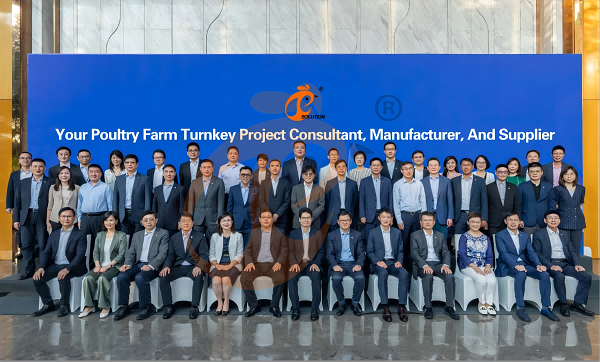
Hong Kong Headquarter Management Team
Hong Kong Headquarter Taiyu Industrial Group CO., LTD
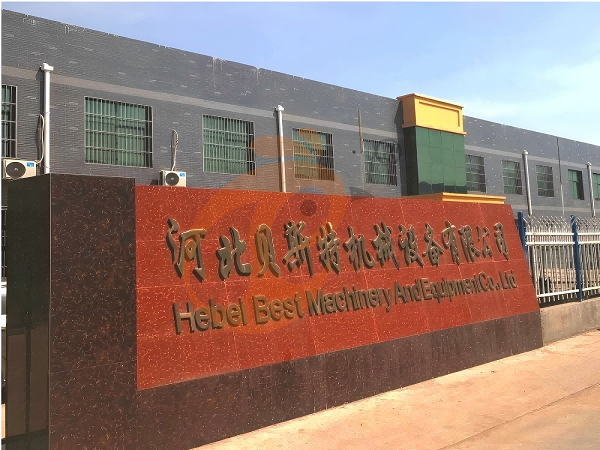
China Hebei Best Machinery And Equipment CO., LTD
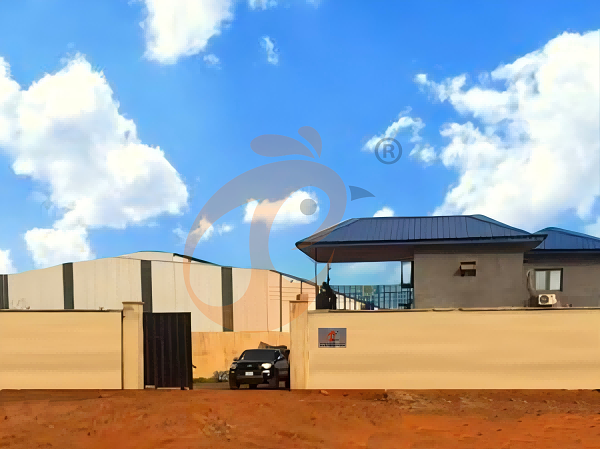
Nigeria Vanke Machinery And Equipment CO., LTD
Tanzania Best Machinery And Equipment CO., LTD
Ethiopia Best Hebei Machinery Manufacturing PLC


Reception /24 WhatsApp NO. : +8618830120193
SEND YOUR MESSAGE TO US
(* We will reply your inquiry to this Email as soon as we see it.)RECENT BOLGS
Comments
CONTACT US
HOT PRODUCTS