E-mail:sales@bestchickencage.com
E-mail:sales@bestchickencage.com


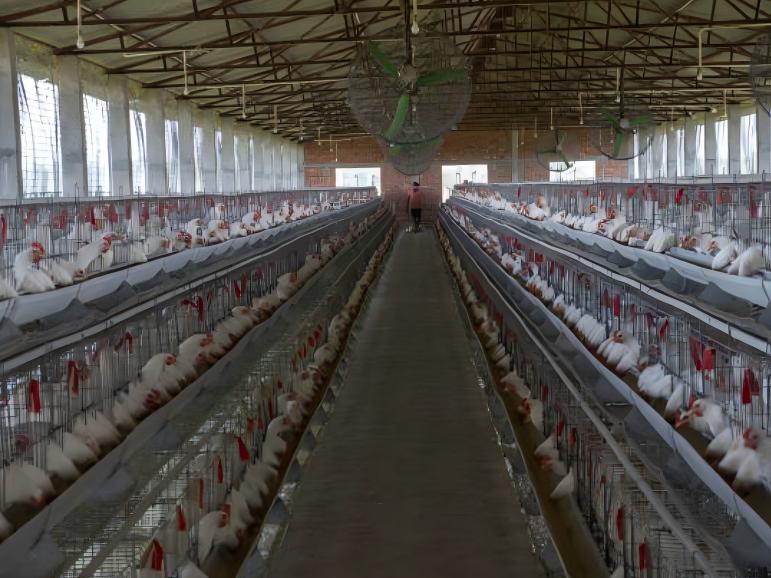
Poultry farming in Nigeria has modernized rapidly in recent years.
Farmers adopting Nigeria poultry farm equipment report up to 35% reduction in disease incidence.
Automated feeding, watering, and manure management improve farm hygiene significantly.
Integration of smart climate and monitoring systems enhances biosecurity and productivity.
Labor costs are reduced while flock health and growth rates increase.
Data-driven equipment use ensures sustainable, efficient poultry operations.
Farms experience consistent feed supply and controlled environmental conditions.
Automation limits human-bird contact, reducing pathogen transmission effectively.
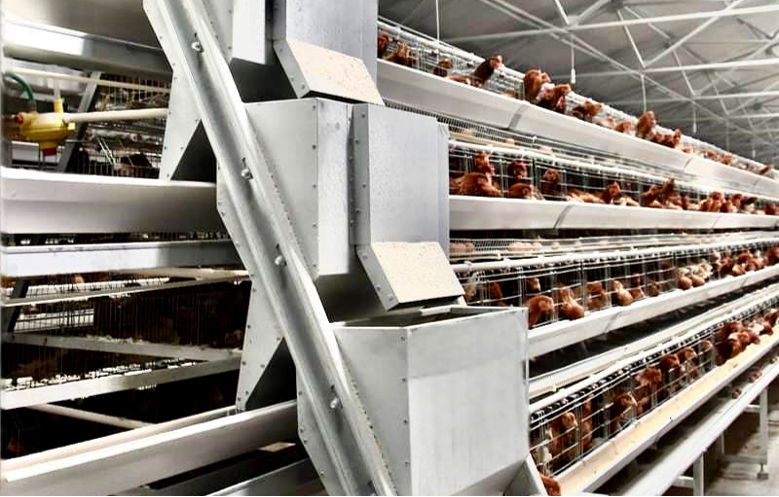
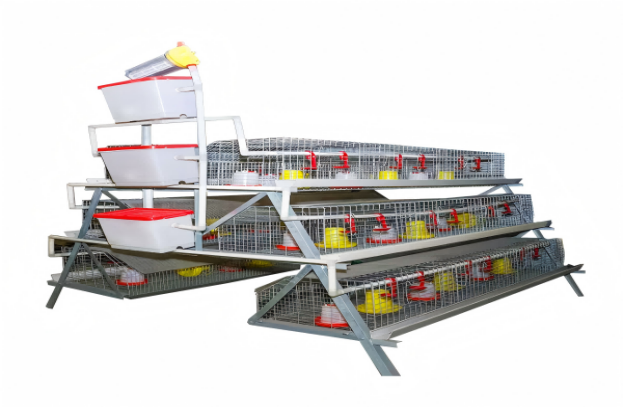
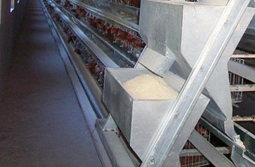
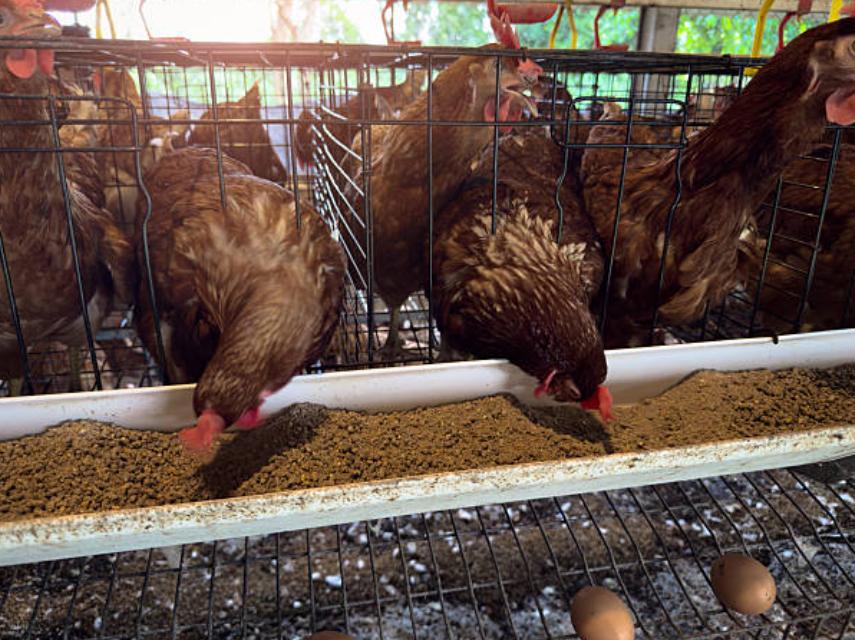
Automated feeders are a core element of modern Nigeria poultry farm equipment.
They provide uniform feed distribution, reduce feed wastage, and limit human-bird contact.
This reduces disease spread and ensures optimal growth for broilers and layers.
Data is for reference only. Swipe horizontally to view full table.
| Feeder Type | Feed Capacity (Kg) | Birds Per Feeder | Automation Level | Average Feed Conversion Ratio (FCR) |
| Linear Chain | 1000 | 2000 | Full auto | 1.65 |
| Pan Feeder | 800 | 1500 | Semi-auto | 1.70 |
| Trough Feeder | 500 | 1000 | Manual | 1.80 |
Full automatic feeders improve FCR by up to 15% compared to manual systems.
Farms integrating linear chain feeders with Nigeria poultry farm equipment report 40% labor reduction and uniform feed supply.
Water management is critical to hygiene.
Modern Nigeria poultry farm equipment features nipple drinkers, bell drinkers, and automated water lines with filtration.
These reduce waterborne pathogen risk and improve overall flock health.
Data is for reference only. Swipe horizontally to view full table.
| Water System Type | Birds Served | Contamination Risk | Labor Requirement | Water Usage Efficiency |
| Nipple Drinker | 1000 | Low | Minimal | 95% |
| Bell Drinker | 800 | Medium | Moderate | 85% |
| Open Trough | 500 | High | High | 75% |
Nipple drinkers significantly lower contamination risk.
Implementation of these systems reduces gastrointestinal disease incidence by 30-35% across Nigerian farms.
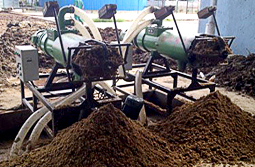
Efficient manure handling is essential to reduce pathogen load.
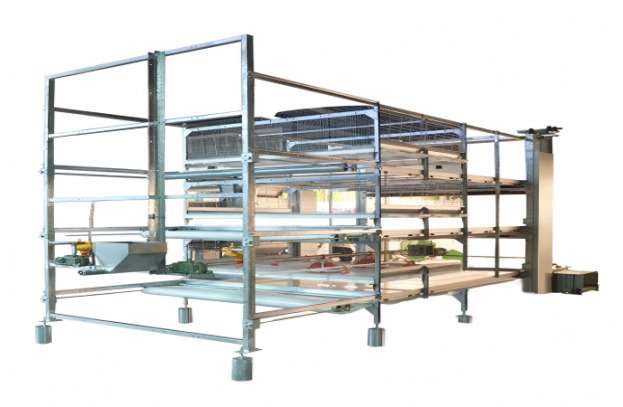
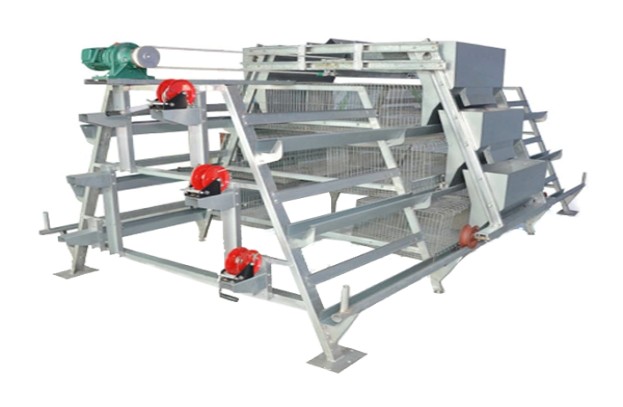
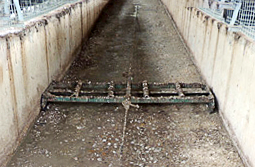
Nigeria poultry farm equipment includes automated manure belts, scrapers, and composting units.
These minimize exposure to fecal matter and harmful bacteria.
Data is for reference only. Swipe horizontally to view full table.
| System Type | Daily Capacity (Kg) | Labor Hours Saved | Pathogen Reduction (%) | Recommended Flock Size |
| Belt Scraper | 2000 | 5 | 35 | 10,000–50,000 |
| Automated Conveyor | 3000 | 8 | 40 | 30,000–100,000 |
| Manual Shovel | 500 | 20 | 10 | <10,000 |
Automated manure removal lowers ammonia levels, improving bird welfare and worker health.
Temperature and humidity control reduces disease susceptibility.
Modern Nigeria poultry farm equipment integrates ventilation fans, misting systems, and automated climate control.
These maintain optimal conditions, reduce stress, and improve flock performance.
Data is for reference only. Swipe horizontally to view full table.
| Equipment | Flock Size | Temperature Stability (°C) | Humidity Control (%) | Mortality Reduction (%) |
| Tunnel Ventilation | 20,000 | ±1 | ±5 | 15 |
| Misting System | 10,000 | ±2 | ±10 | 10 |
| Natural Vent | 5,000 | ±5 | ±20 | 5 |
Controlled environments significantly reduce mortality rates.
Farms using these systems with Nigeria poultry farm equipment observe healthier birds and stable production.
Real-time monitoring systems track feed, water, temperature, humidity, and bird behavior.
Nigeria poultry farm equipment with IoT sensors provides alerts for abnormal patterns.
Early intervention reduces disease outbreaks effectively.
Data is for reference only. Swipe horizontally to view full table.
| System Type | Parameters Monitored | Response Time | Outbreak Detection Rate | Labor Savings (%) |
| IoT Sensors | 10 | <5 min | 95% | 20 |
| Manual Logs | 5 | 24 hr | 50% | 0 |
| Semi-Automated | 7 | 1 hr | 70% | 10 |
Automated monitoring ensures compliance with biosecurity protocols and reduces labor costs.
A mid-sized broiler farm implemented comprehensive Nigeria poultry farm equipment, including:
Automated feeders
Nipple drinkers
Manure belts
Climate control systems
Within six months:
Disease incidence decreased by 35%
Labor cost reduced by 42%
Average daily weight gain increased from 55 g to 62 g
Mortality decreased from 8% to 5%
This demonstrates the practical value of modern Nigeria poultry farm equipment in improving flock health and farm profitability.
Gradual integration: Start with feeders and drinkers, then expand to manure and climate systems.
Regular maintenance: Inspect automation systems to prevent failures or contamination.
Data-driven management: Adjust feeding, watering, and ventilation automatically.
Staff training: Ensure workers understand operation and biosecurity protocols.
Flock density: Avoid overcrowding to reduce stress and disease susceptibility.
Feed wastage reduction: up to 12% savings
Labor cost reduction: 30–45%
Disease-related losses decreased: 35%
Improved feed conversion ratio: 1.65–1.70
Higher survival rates for larger marketable output
Return on investment typically occurs within 18–24 months depending on farm scale.
All costs are in ₦, EU standards used only for reference.
Modern farms increasingly adopt IoT and intelligent control systems.
Smart sensors track environmental conditions and feed/water intake, generating actionable insights.
Real-time data improves disease management, reduces labor, and increases productivity.
According to recent surveys, 70% of Nigerian industrial poultry farms using IoT-equipped Nigeria poultry farm equipment report 20–25% efficiency gains.
Integration with automated systems enables predictive maintenance and automated alerts, ensuring biosecurity compliance.
Q1: How much can disease incidence be reduced with Nigeria poultry farm equipment?
A1: Farms report up to 35% reduction through automated feeding, watering, and hygiene systems.
Q2: Can IoT systems help in monitoring large flocks?
A2: Yes, IoT sensors track 10+ parameters in real time, improving early detection and response.
Q3: What is the typical ROI for modern poultry farm equipment?
A3: Return on investment is usually 18–24 months depending on farm size and system configuration.
Global reach: Vanke supplies poultry farm equipment and poultry cages to over 50 countries worldwide, supporting large-scale operations and turnkey projects.
Factory direct sales: Streamlined production ensures factory direct pricing, high-quality standards, and rapid delivery for farms of all sizes.
Data-driven solutions: Advanced automation and monitoring systems are integrated into over 200 turnkey poultry farm projects globally, improving flock health and productivity by up to 35%.
Comprehensive turnkey services: From design to installation, Vanke provides full poultry cage setups and farm integration services, enabling rapid operational start-up.
Proven efficiency: Farms using Vanke poultry farm equipment report consistent feed conversion ratios (1.65–1.70), labor savings of 30–45%, and disease incidence reduction up to 35%.
Headquarters And Branchs

Hong Kong Headquarter Management Team
Hong Kong Headquarter Taiyu Industrial Group CO., LTD
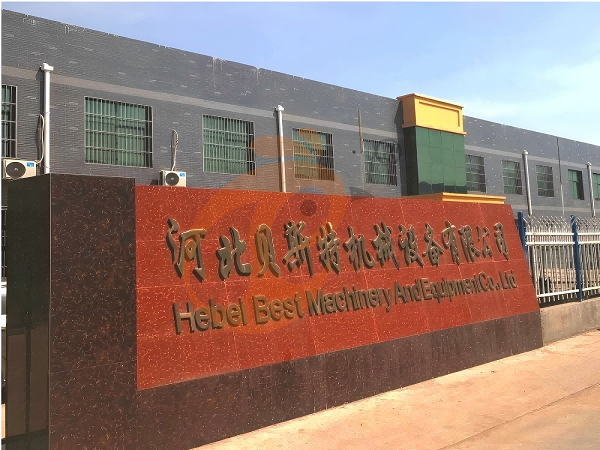
China Hebei Best Machinery And Equipment CO., LTD
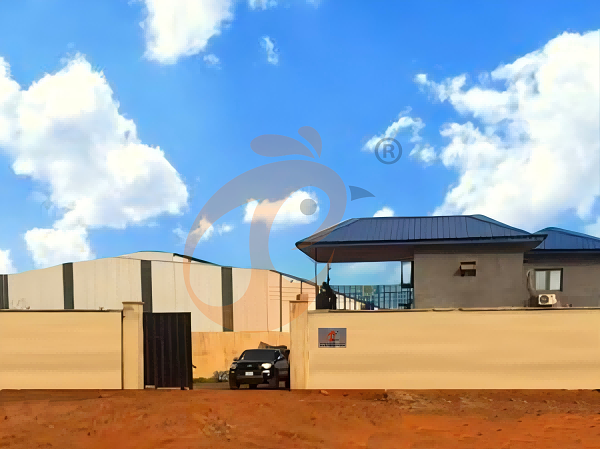
Nigeria Vanke Machinery And Equipment CO., LTD
Tanzania Best Machinery And Equipment CO., LTD
Ethiopia Best Hebei Machinery Manufacturing PLC


Reception /24 WhatsApp NO. : +8618830120193
SEND YOUR MESSAGE TO US
(* We will reply your inquiry to this Email as soon as we see it.)RECENT BOLGS
Comments
CONTACT US
HOT PRODUCTS