E-mail:sales@bestchickencage.com
E-mail:sales@bestchickencage.com


Starting a commercial poultry farm requires careful budgeting for land, construction, livestock, equipment, and daily operations.
Investment varies with flock capacity, A-type or H-type cage configurations, automation levels, and whether facilities operate in one or multiple poultry houses. Projects ranging from 1,000 to 100,000+ birds require different engineering layouts and equipment combinations.
● Structural Engineering: Commercial chicken houses require roof trusses designed for equipment loads, including suspended feeding lines, drinking systems, and ventilation components.
● Ventilation Capacity: Tunnel ventilation systems must provide sufficient air exchange to control temperature, humidity, and ammonia concentration.
● Water Management: Automated nipple drinking lines require pressure regulators, suitable water storage, and consistent supply throughout brooding and production.
● Investment Planning: A realistic poultry farm business plan separates construction, cage systems, feeding, drinking, environmental equipment, livestock, and working capital.
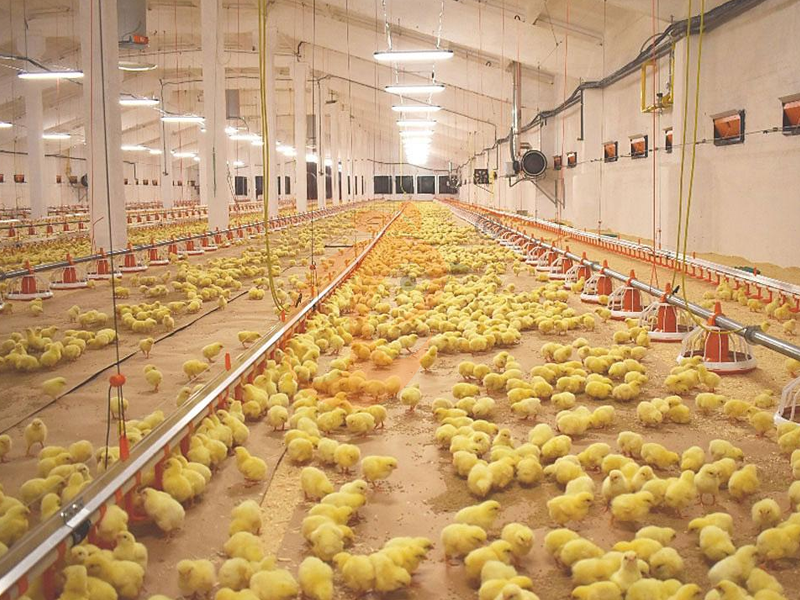
Production capacity, farming methods, and automation determine the initial investment.
Small farms generally use simpler equipment, while commercial operations require coordinated feeding, drinking, ventilation, egg collection, and manure removal systems.
1.1 Production Scale And Bird Capacity
Farms housing 1,000–5,000 birds commonly use semi-automatic equipment.
Fully automated configurations are suitable for projects of 15,000–20,000 birds, while farms exceeding 50,000 birds are recommended to adopt H-type cage systems in single or multiple houses.
1.2 Farming Systems And Management Models
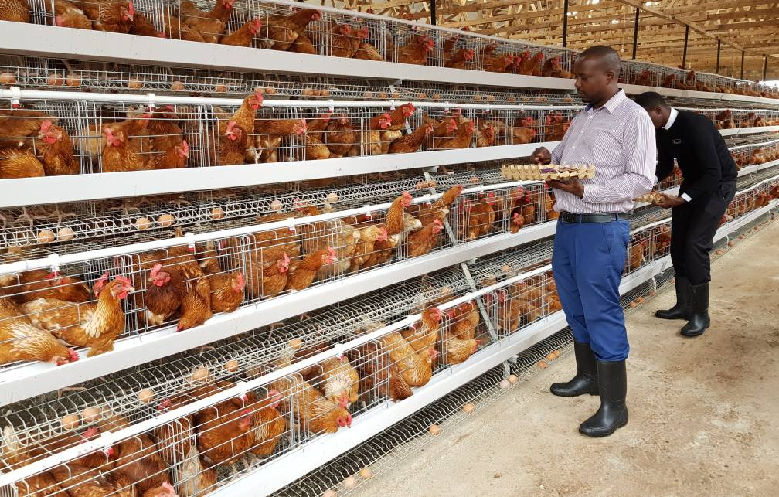
Battery cages, deep litter, and free-range systems have different building and equipment requirements.
A-type cages offer practical configurations for smaller projects, while H-type vertical tiers support larger commercial capacities.
Data is for reference only. Swipe horizontally to view full table.
| Farming System | Stocking Density (Birds/M²) | Building Height (M) | Automation |
| H-type battery cage | 20–25 | 4.5–6.5 | Full |
| A-type battery cage | 14–18 | 3.5–4.2 | Semi |
| Deep litter | 8–12 | 3.0–3.5 | Partial |
| Free-range | 6 indoor plus pasture | 2.8–3.2 | Low |
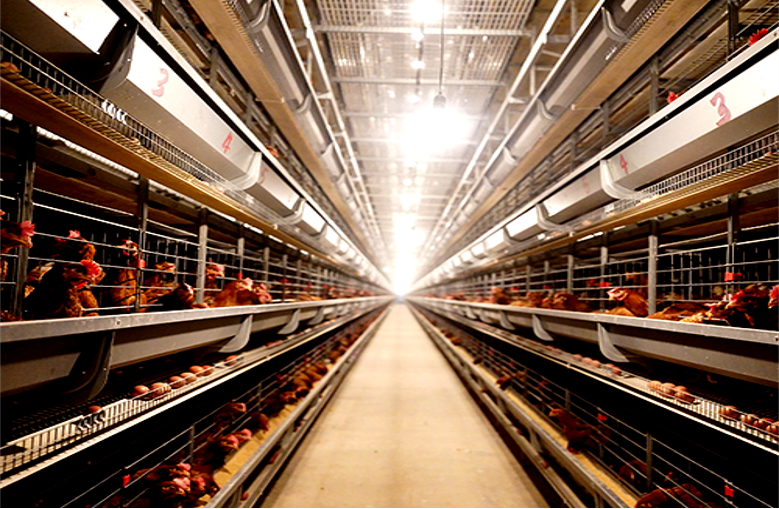
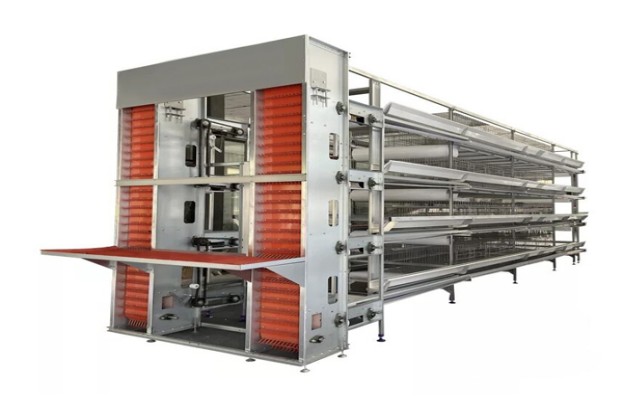
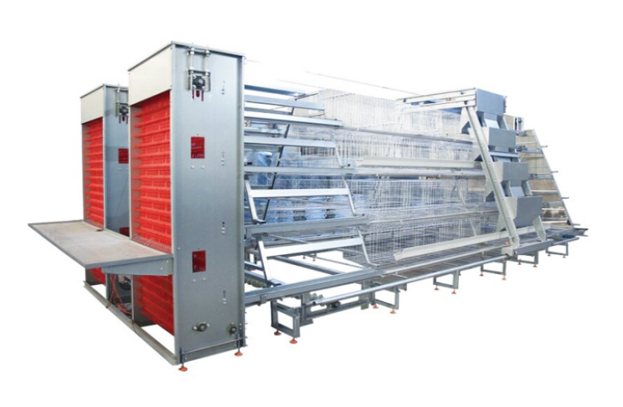
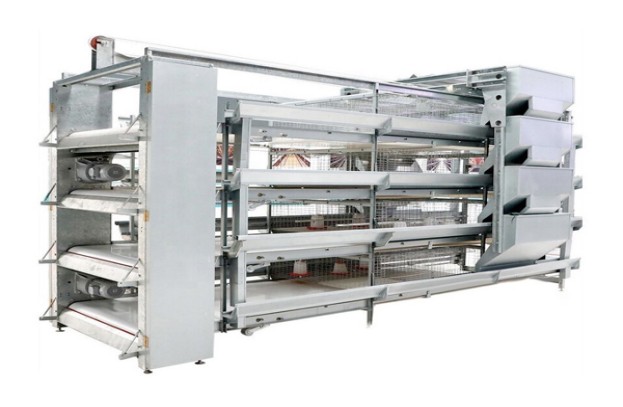
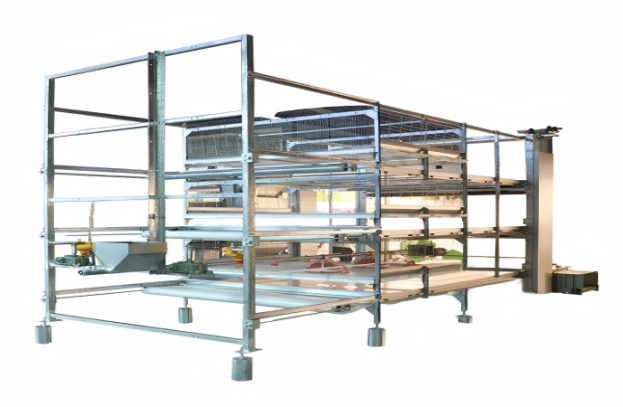
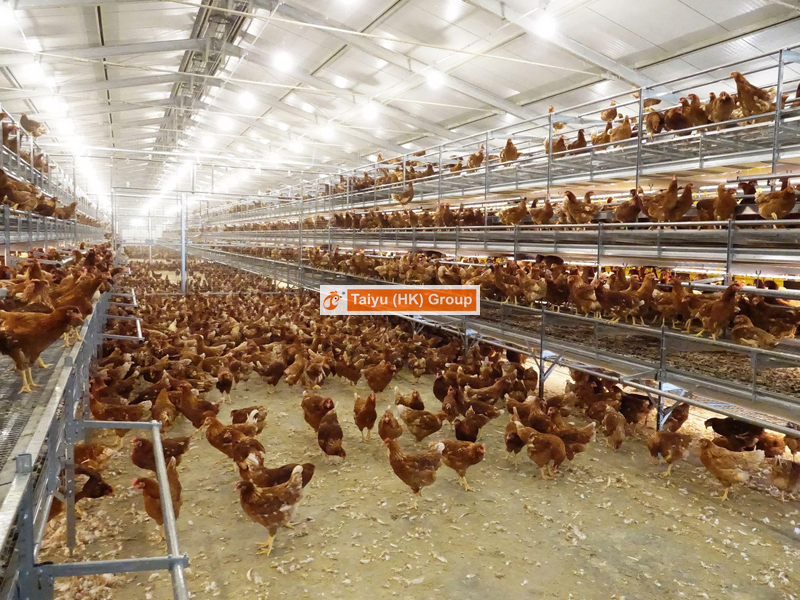
For larger commercial installations, Taiyu Group (HK) H-Type Layer Cage configurations accommodate 128–512 birds per set across 4–16 tiers, supporting automated feeding and manure handling arrangements.
Planning an automated H-type poultry house? WhatsApp to +8618830120193 for cage layouts, capacity calculations, and factory-direct pricing.
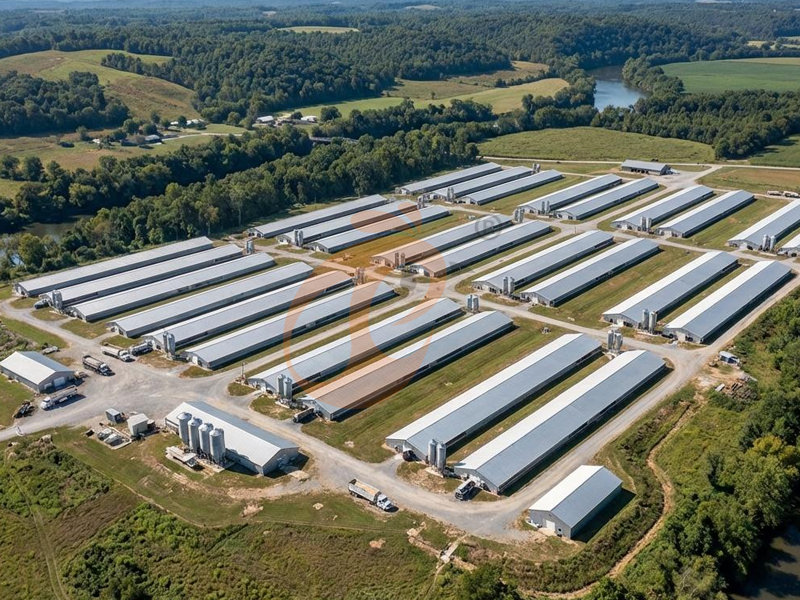
Land preparation involves grading, drainage, concrete foundations, access roads, and biosecurity fencing.
Poultry houses can use open-sided structures or insulated steel frames with 75 mm polyurethane sandwich panels, depending on climate and environmental control requirements.
2.1 Land Acquisition And Site Preparation
Site development costs depend on land conditions, electricity access, water supply, and drainage requirements.
Concrete floors, perimeter fencing, and vehicle access areas should be included in the initial construction budget.
2.2 Structural Building Construction
Open-sided poultry houses generally cost $35–$55/m², while insulated steel structures cost approximately $85–$130/m².
Actual dimensions should follow cage arrangements, service aisles, and equipment installation space.
Data is for reference only. Swipe horizontally to view full table.
| Construction Item | 1,000 Birds ($) | 10,000 Birds ($) | 50,000 Birds ($) | 100,000 Birds ($) |
| Land preparation | 2,500 | 14,000 | 55,000 | 95,000 |
| Poultry house | 6,000 | 48,000 | 210,000 | 390,000 |
| Feed storage | 800 | 4,500 | 18,000 | 32,000 |
| Biosecurity fencing | 700 | 2,500 | 8,000 | 14,000 |
Installation assessments are informed by on-site technical reports and service records documented by Taiyu Group (HK).
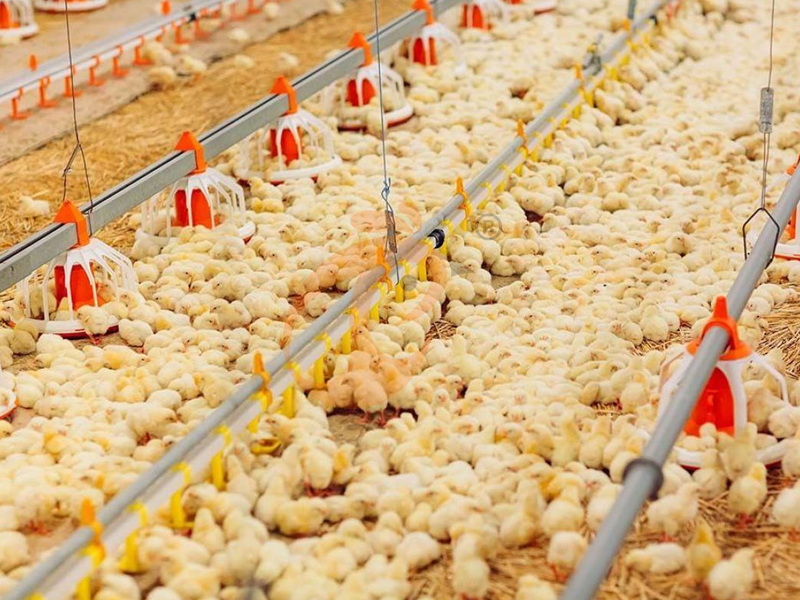
Livestock procurement is another major startup expense.
Prices depend on breed, vaccination, age, hatchery quality, and transportation distance.
3.1 Day-Old Chicks Vs. Point-Of-Lay Pullets
Day-old broiler chicks generally cost $0.45–$0.65 each, while layer chicks cost $0.85–$1.25.
Purchasing 16-week-old point-of-lay pullets costs approximately $6.50–$8.50 per bird but shortens the waiting period before egg production.
3.2 Hatchery Delivery And Mortality Buffers
Allow an additional 2%–3% of chicks for early mortality and selection.
Climate-controlled transportation adds approximately $0.03–$0.08 per bird, depending on delivery distance.
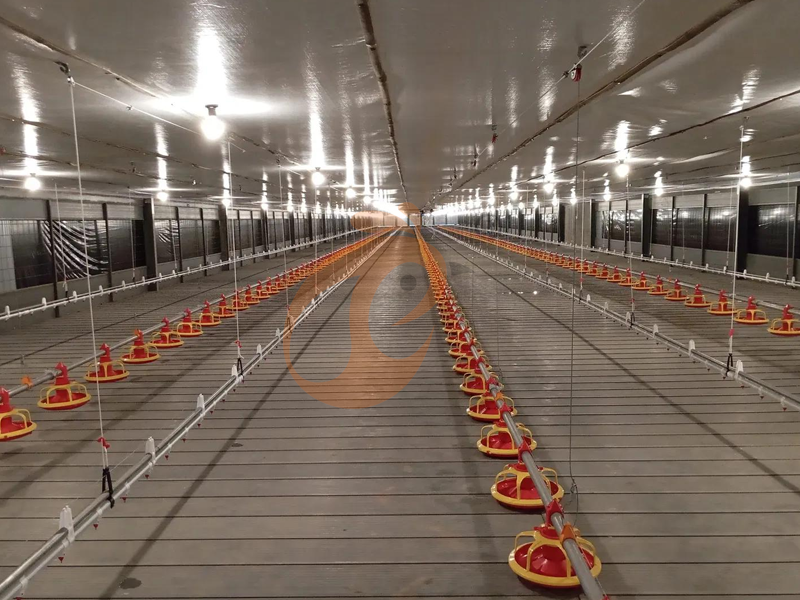
Equipment selection directly affects initial investment, labor requirements, and long-term maintenance.
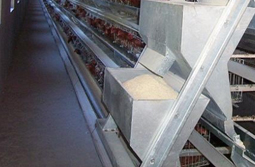
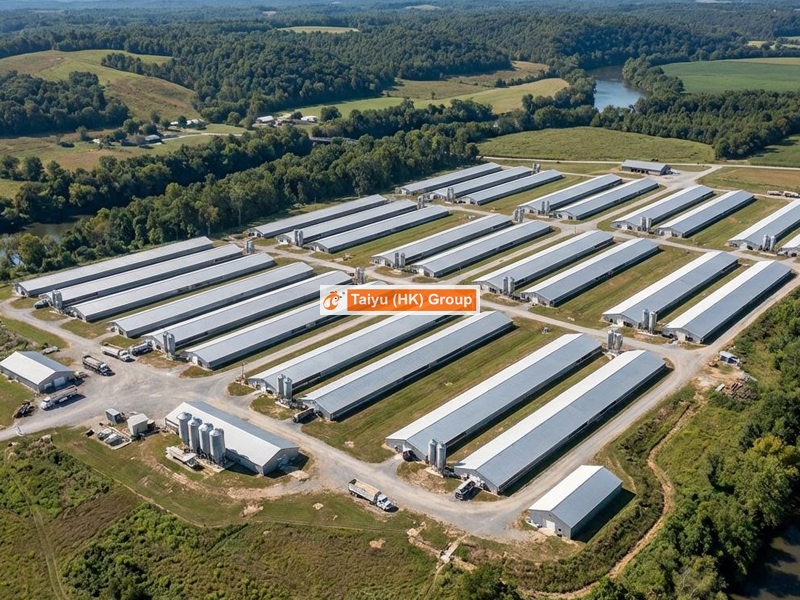
Commercial layer farms commonly integrate galvanized cages, feeding lines, nipple drinkers, egg collection, manure removal, ventilation, and cooling systems.
4.1 Caging, Feeding, And Drinking Systems
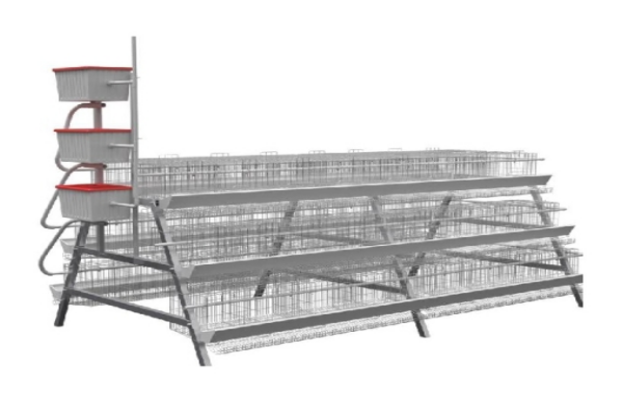
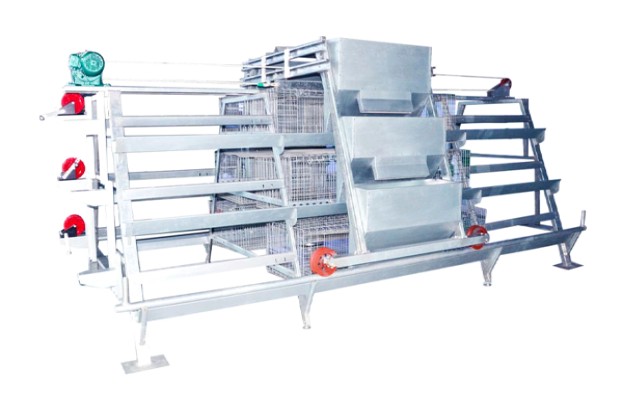
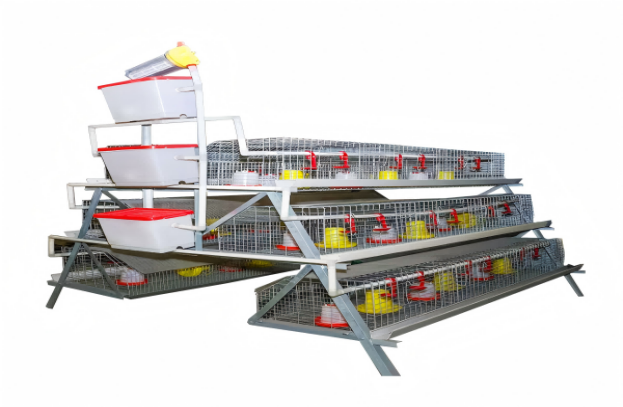
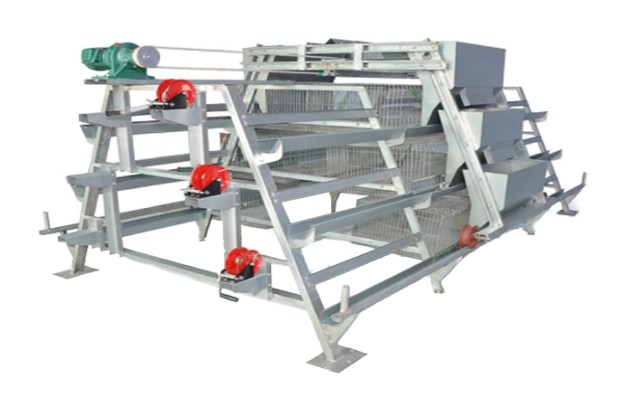
A-type cages include 3-, 4-, and 5-tier configurations, accommodating 120, 160, and 200 birds per set.
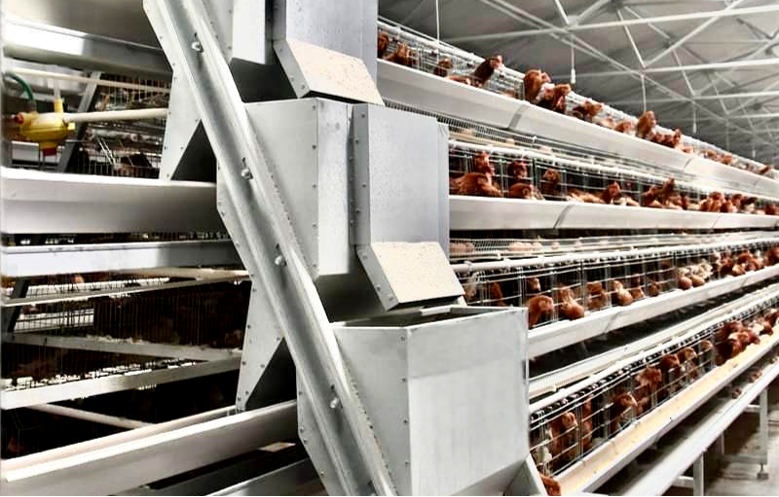
H-type cages include 4-, 8-, 12-, and 16-tier configurations, accommodating 128, 256, 384, and 512 birds per set.
Both systems use hot-dip galvanized Q235 steel, with a 275 g/m² zinc coating.
For smaller commercial layer projects, Taiyu Group (HK) A-Type Layer Cage configurations provide 120–200 birds per set, with equipment budgets selected according to flock capacity and tier arrangement.
Factory-direct A-type layer cage solutions are available for commercial farm layouts. WhatsApp to +8618830120193 for specifications and quotations.
Feeding and drinking budgets vary by flock capacity.
For example, A-type feeding systems cost $5,252 for 5,000 birds and $9,770 for 20,000 birds. H-type feeding systems cost $13,712–$20,700 for 30,000–50,000 birds.
4.2 Ventilation, Cooling, And Manure Handling
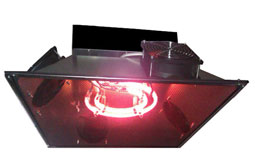
Ventilation and cooling equipment must match poultry house dimensions and bird capacity.
A-type ventilation systems cost $1,750–$2,900 for 10,000–20,000 birds, while H-type systems cost $6,500–$8,500 for 30,000–50,000 birds.
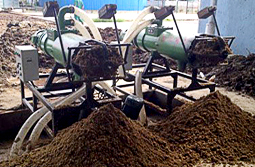
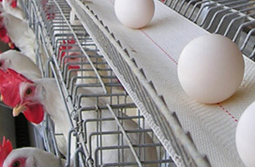
Automated manure belts and egg collection conveyors add further costs according to the selected configuration.
Data is for reference only. Swipe horizontally to view full table.
| Equipment Category | A-Type Price (USD) | H-Type Price (USD) |
| Cage system | 6,400–24,948 | 10,320–103,200 |
| Feeding system | 5,252–9,770 | 13,712–20,700 |
| Drinking system | — | 4,500–7,000 |
| Egg collection | 3,030/5,000 birds | 3,780/10,000 birds |
| Manure removal | 750–2,250 | 4,620–24,344 |
| Ventilation | 1,750–4,600 | 6,500–8,500 |
| Cooling | 550–1,600 | 2,650–5,700 |
The cage system price ranges cover different flock capacities, rather than identical equipment specifications.
For the 50,000-bird H-type project, the cage system costs $103,200, equivalent to $2.064 per bird.
Technical assessments draw upon product testing results, engineering research, and performance evaluations conducted by Taiyu Group (HK).
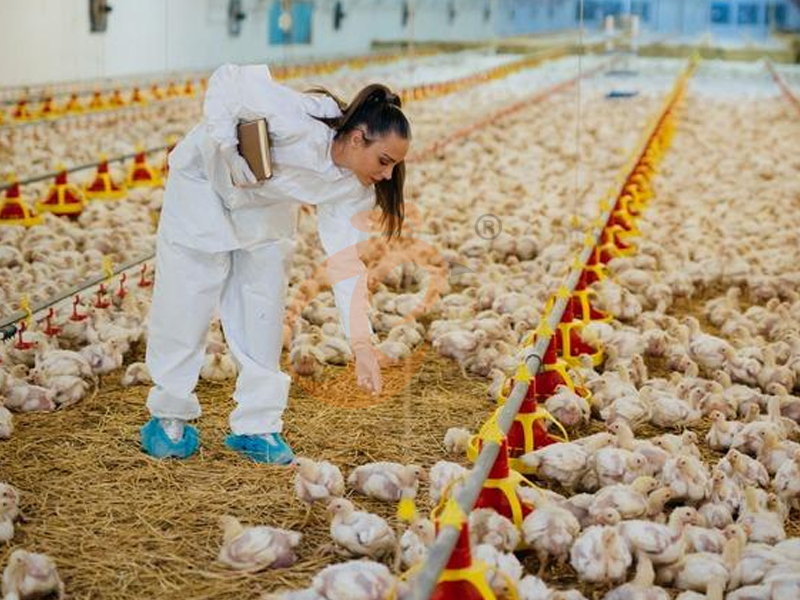
Operating expenses continue throughout production and should be included separately from equipment purchases.
Feed, electricity, labor, and water consumption depend on bird age, flock size, climate, and management practices.
5.1 Starter, Grower, And Layer Feed Rations
Feed accounts for approximately 65%–70% of production expenses.
Broilers consume around 3.8–4.2 kg over 42 days, while layer pullets consume approximately 6.5–7.2 kg before reaching 18 weeks.
5.2 Staffing, Power, And Water Utilities
Farm supervisors and technicians earn approximately $400–$1,800 monthly.
Tunnel ventilation requires reliable electricity and backup generators, commonly rated at 50–250 kva.
Water storage should provide at least 48 hours of reserve.
Data is for reference only. Swipe horizontally to view full table.
| Monthly Expense | 1,000 Birds ($) | 10,000 Birds ($) | 50,000 Birds ($) | 100,000 Birds ($) |
| Feed | 1,350 | 13,200 | 64,000 | 125,000 |
| Labor | 450 | 1,600 | 5,200 | 9,500 |
| Electricity | 120 | 950 | 4,100 | 7,800 |
| Water | 40 | 280 | 1,150 | 2,100 |
Disease prevention protects flock health and reduces financial losses.
Veterinary budgets should cover vaccination, medication, disinfection, protective equipment, and licensing.
6.1 Vaccination Schedules And Medications
Vaccination programs commonly cover Marek's disease, Newcastle disease, Infectious Bronchitis, and Gumboro. Vaccines, vitamins, probiotics, and anticoccidials cost approximately $0.18–$0.35 per broiler and $0.55–$0.85 per layer pullet.
6.2 Disinfection, Licensing, And Insurance
Vehicle disinfection, footbaths, protective clothing, and veterinary permits require approximately $1,200–$12,000 annually, depending on farm size and local regulations.
A complete startup budget combines construction, equipment, livestock, initial feed, utilities, and contingency reserves.
A 15% contingency allowance can help accommodate unexpected installation and procurement expenses.
Total Startup Budget = (Land + Buildings + Equipment + Chicks + Initial Feed + Utilities) × 1.15
Data is for reference only. Swipe horizontally to view full table.
| Budget Category | 1,000 Birds ($) | 10,000 Birds ($) | 50,000 Birds ($) | 100,000 Birds ($) |
| Land and construction | 10,000 | 69,000 | 291,000 | 531,000 |
| Equipment | 3,000 | 45,000 | 188,344+ | 460,000 |
| Initial flock and feed | 2,400 | 24,500 | 118,000 | 232,000 |
| Other expenses and contingency | 2,300 | 20,700 | 98,100 | 183,450 |
| Estimated investment | 17,700 | 159,200 | 695,444+ | 1,406,450 |
The 50,000-bird equipment subtotal includes cage, feeding, drinking, egg collection, manure removal, ventilation, and cooling systems.
Environmental control, smart farming, manure drying, and installation costs require separate quotations.
Other investment figures remain preliminary estimates rather than confirmed project quotations.
Market insights are derived from regional research, industry assessments, and market trend analysis conducted by Taiyu Group (HK).
For complete Taiyu Group (HK) Poultry Farm Equipment, investors can compare cage systems, feeding equipment, ventilation, cooling, and manure handling solutions according to project capacity.
Build a cost-effective poultry farm with coordinated equipment and engineering support. WhatsApp to +8618830120193 for a customized equipment quotation.
1. Global Service Network
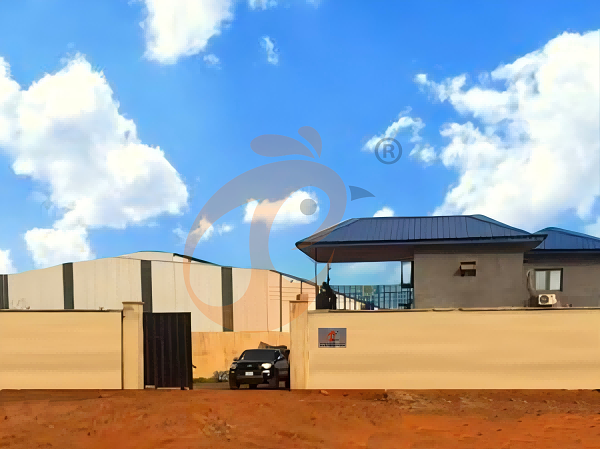
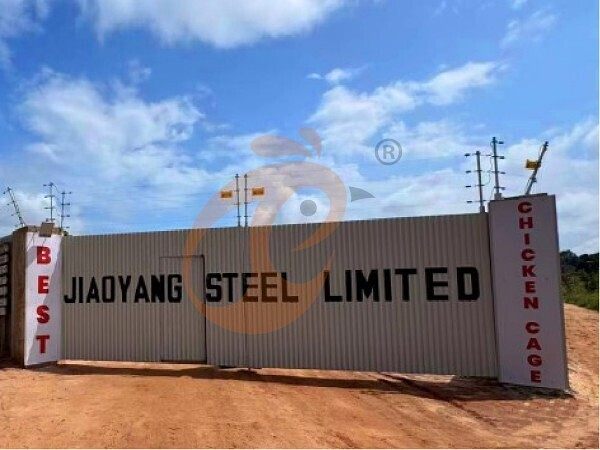
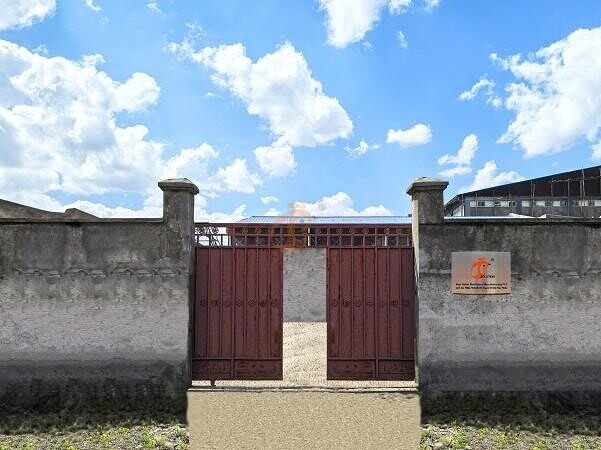
Headquartered in Hong Kong, with branches and factories in China, Vietnam, Thailand, Nigeria, Kenya, Ethiopia, and Tanzania, providing more localized project and after-sales support.
2. International Quality Standards
Strict quality control and double inspections.
Certifications and export documents include CE, SGS, ISO 9001, CCVO, PVOC, SONCAP, COC, ECTN, FORM A/F/M, and more.
3. One-to-One VIP Service
Dedicated account managers provide customized farm designs, equipment configurations, and quotations for projects ranging from 500 to 100,000+ birds per house.
4. Lifetime After-Sales Service
Installation guidance, equipment commissioning, operator training, remote technical support, spare parts supply, and ongoing maintenance.
Headquarters And Branchs
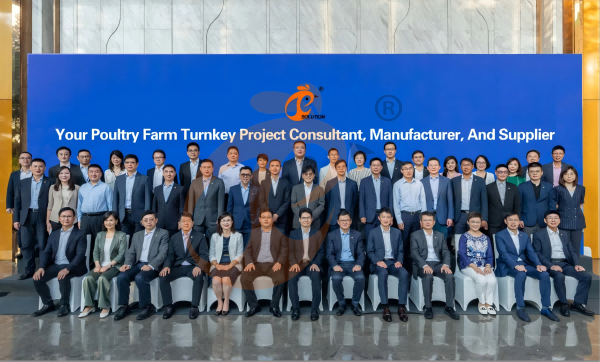
Hong Kong Headquarter Management Team
Hong Kong Headquarter Taiyu Industrial Group CO., LTD
China Hebei Best Machinery And Equipment CO., LTD
Nigeria Vanke Machinery And Equipment CO., LTD
Tanzania Best Machinery And Equipment CO., LTD
Ethiopia Best Hebei Machinery Manufacturing PLC
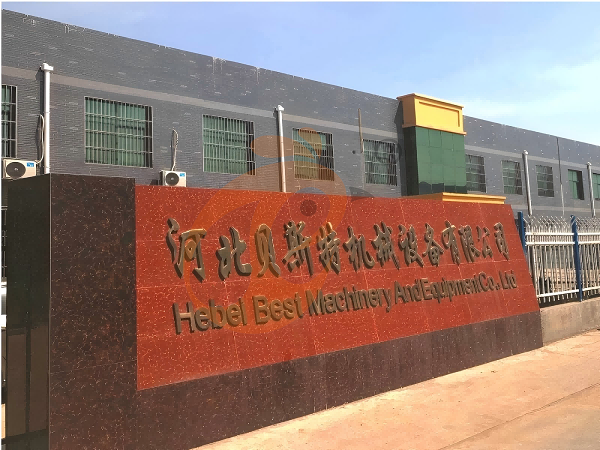
Reception /24 WhatsApp NO. : +8618830120193
SEND YOUR MESSAGE TO US
(* We will reply your inquiry to this Email as soon as we see it.)RECENT BOLGS
CONTACT US
HOT PRODUCTS