E-mail:sales@bestchickencage.com
E-mail:sales@bestchickencage.com


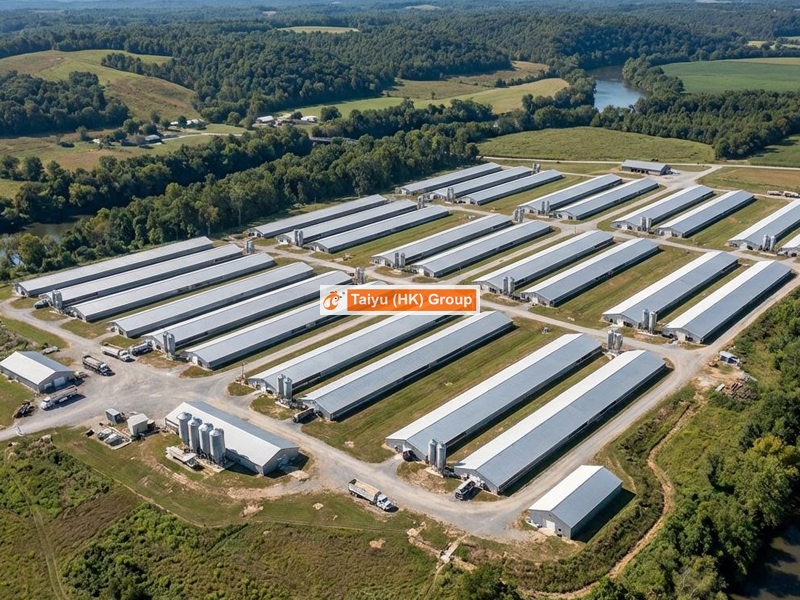
Successful commercial operations in poultry farming for beginners commonly scale between 1,000 and 100,000+ birds depending on available land and capital investment.
Planning a poultry enterprise requires balancing biological growth cycles, house engineering specifications, and local consumer purchasing habits.
● Ventilation Airflow Velocity: Commercial tunnel-ventilated houses maintain an airspeed of 2.5 to 3.0 meters per second during peak summer heat to prevent heat stress in dense flocks.
● Drinking Water Pressure: Automated nipple drinker lines operate at 15 to 25 kilopascals to deliver clean water without wetting the underlying litter or manure belts.
● Feed Conversion Ratio (FCR): Modern genetic strains achieve an FCR of 1.50 to 1.65 for meat birds and 1.95 to 2.15 kilograms of feed per dozen eggs for laying hens.
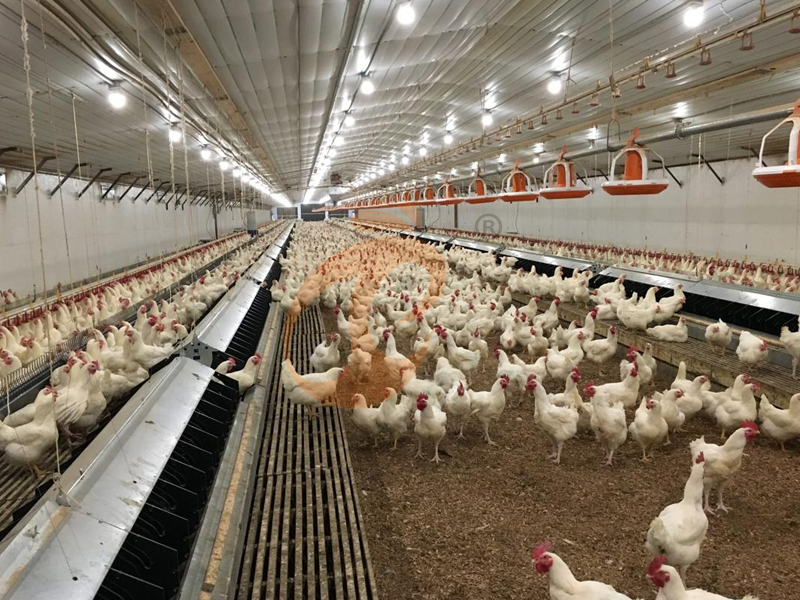
Initial capital expenditure depends heavily on farm capacity, automation levels, and local construction material prices.
Investors must allocate funds across land preparation, insulated steel structures, feeding lines, and initial day-old chick procurement (European union standard reference only).
Data is for reference only. Swipe horizontally to view full table.
|
Cost Category |
Small Scale (1,000 To 5,000 Birds) |
Medium Scale (10,000 To 30,000 Birds) |
Large Scale (50,000 To 100,000+ Birds) |
|
House construction and civil engineering (usd) |
$12,000 to $35,000 |
$65,000 to $140,000 |
$220,000 to $480,000 |
|
Automated feeding and drinking systems (usd) |
$4,500 to $11,000 |
$24,000 to $52,000 |
$85,000 to $175,000 |
|
Climate control and ventilation fans (usd) |
$2,000 to $6,500 |
$15,000 to $34,000 |
$55,000 to $110,000 |
|
Initial flock and starter feed inventory (usd) |
$3,500 to $14,000 |
$28,000 to $75,000 |
$120,000 to $260,000 |
Data is based on more than 20 years of after-sales follow-up records collected by Taiyu Group (HK).
1.1 Land And Building Infrastructure
Building orientation plays a decisive role in reducing long-term electricity bills.
East-to-west house alignment minimizes direct solar radiation on sidewalls during hot afternoons.
Concrete foundation slabs require a minimum thickness of 10 to 15 centimeters to support heavy equipment loads and allow high-pressure washing between flocks.
● Roof Insulation: Polyurethane sandwich panels with 50-millimeter thickness keep indoor temperatures stable during extreme weather swings.
● Drainage Channels: Sloped exterior concrete gutters prevent rainwater runoff from entering biosecurity zones.
1.2 Equipment And Automation Levels
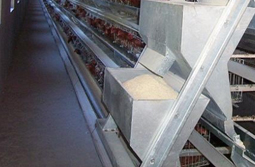
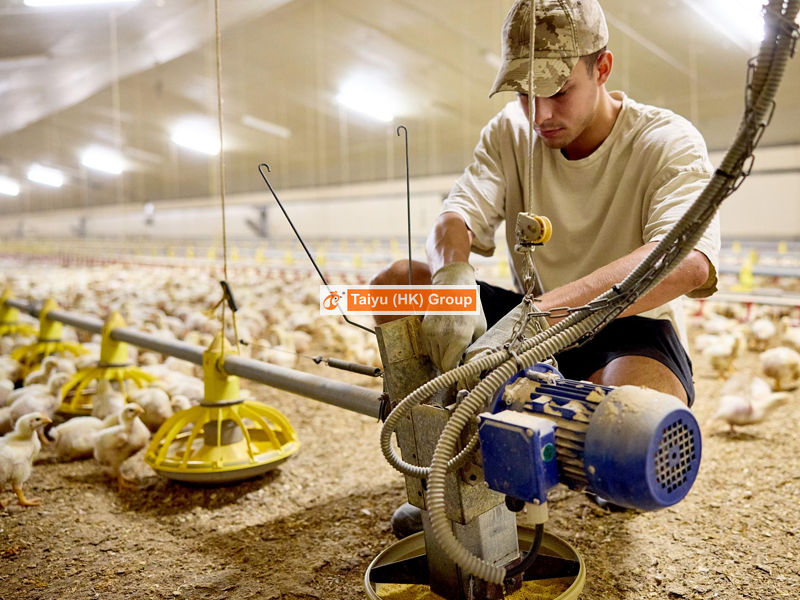
Manual feeding suits farms under 2,000 birds, whereas automated chain or pan feeders become mandatory above 5,000 birds to prevent feed wastage.
According to FAO poultry development guidelines, automated environmental controllers cut mortality rates by up to 4% compared to manually operated curtain houses.
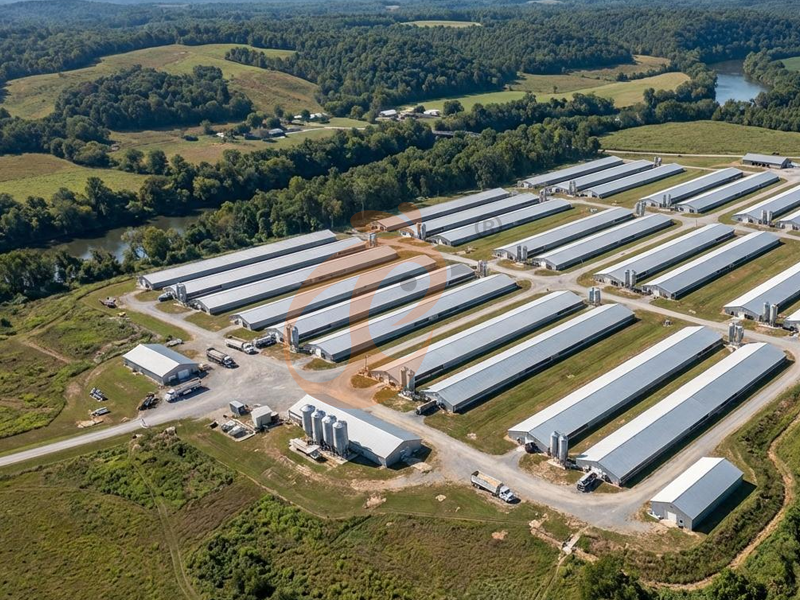
Choosing between egg production and meat production dictates cash flow frequency, labor distribution, and biosecurity protocols.
Layer operations generate daily revenue once hens reach sexual maturity, while broiler farms yield lump-sum returns every six to seven weeks.
Data is for reference only. Swipe horizontally to view full table.
|
Operational Metric |
Commercial Layer Farming |
Commercial Broiler Farming |
|
Primary agricultural output |
Table eggs for retail and wholesale |
Live birds or dressed chicken meat |
|
Flock lifespan on farm |
72 to 80 weeks |
35 to 49 days |
|
Cash flow generation pattern |
Daily continuous income after week 18 |
Lump-sum payout at harvest end |
|
Capital recovery timeline |
14 to 18 months |
6 to 10 months |
Findings reflect long-term customer feedback and service performance assessments documented by Taiyu Group (HK).
2.1 Biological Growth And Feed Efficiency
Broilers undergo rapid muscular development, gaining roughly 60 to 70 grams per day during their final two weeks.
Layers grow slowly during the 16-week brooding and growing phases to build strong skeletal frames capable of sustaining 300 to 320 eggs per year.
● Protein Requirements: Starter broiler diets demand 22% to 23% crude protein, whereas laying hens require 16% to 17% crude protein fortified with 3.8% to 4.2% calcium.
● Lighting Programs: Broilers thrive under 18 to 20 hours of dim light at 10 lux, while layers require a strict step-up schedule reaching 16 hours at 20 to 30 lux to stimulate ovulation.
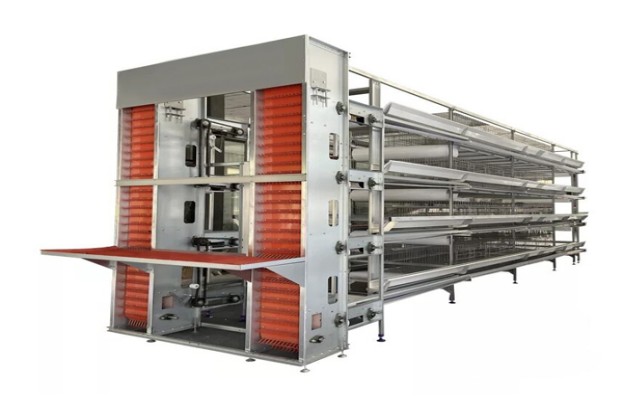
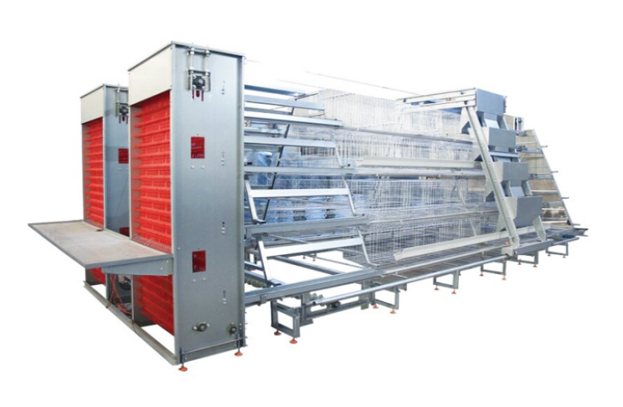
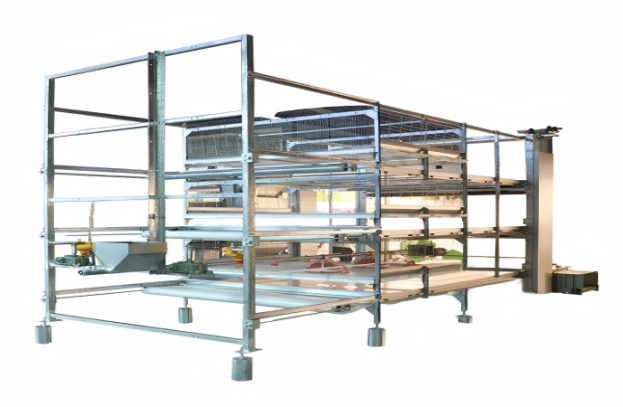
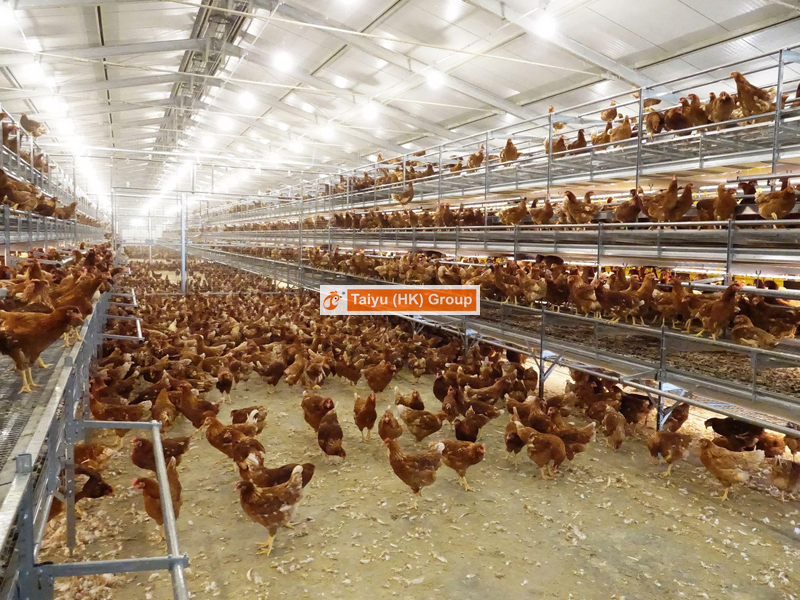
For commercial egg production, Taiyu Group (HK) H-Type Layer Cages provide 4-, 8-, 12-, and 16-tier configurations with individual set capacities ranging from 128 to 512 birds.
Contact Taiyu Group (HK) for H-type layer cage specifications, factory-direct quotations, and turnkey poultry house solutions. WhatsApp to +8618830120193.
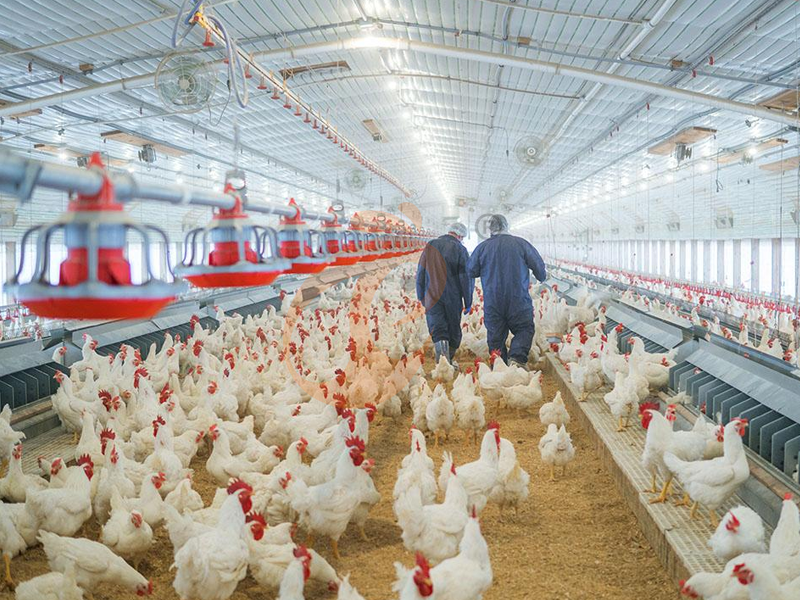
Beyond standard commercial eggs and meat, specialized poultry sectors offer higher profit margins for operators who master strict hatchery and biosecurity standards.
Data is for reference only. Swipe horizontally to view full table.
|
Poultry Sector |
Target Market Buyer |
Technical Management Difficulty |
Average Net Profit Margin |
|
Parent stock breeder farming |
Commercial hatcheries |
Very high due to fertility tracking |
18% to 25% |
|
Pullet rearing operations |
Commercial egg farms |
Moderate to high |
12% to 16% |
|
Native and specialty fowl |
Niche restaurants and organic markets |
Low to moderate |
20% to 30% |
Market insights are derived from regional research, industry assessments, and market trend analysis conducted by Taiyu Group (HK).
3.1 Parent Stock Breeder Management
Breeder farms maintain specific male-to-female ratios, typically 1 rooster per 10 hens, to guarantee fertile hatching egg production.
Separate-sex feeding grids prevent roosters from consuming high-calcium hen rations, which otherwise damages male kidney function and lowers hatchability.
● Egg Sanitization: Hatching eggs undergo fumigation or ultraviolet disinfection within two hours of collection to prevent bacterial penetration through shell pores.
● Storage Temperature: Cooler rooms hold fertile eggs at 16°C to 18°C with 75% relative humidity prior to incubator setting.
3.2 Specialized Pullet Rearing
Dedicated pullet farms raise day-old female chicks until 16 weeks of age before transferring them to commercial layer houses.
Uniformity scores above 85% ensure that entire flocks enter peak egg production simultaneously.
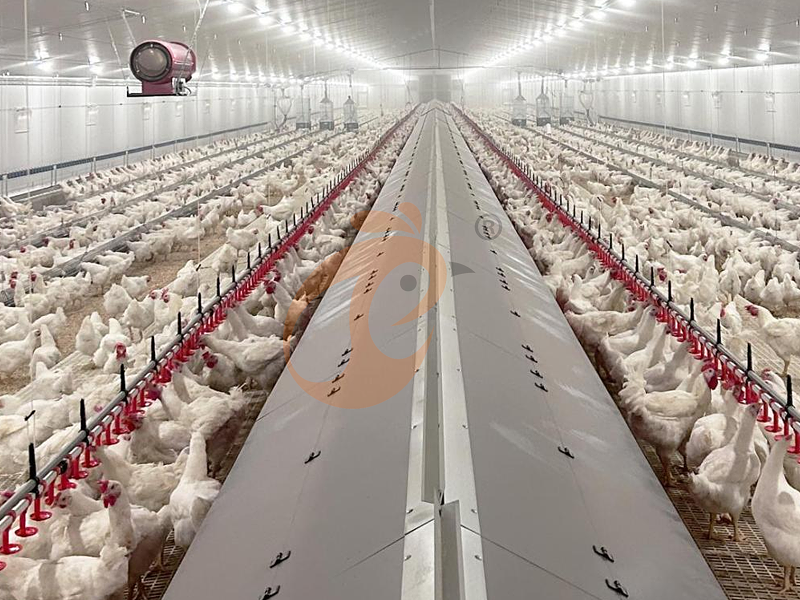
Selecting an appropriate housing system determines stocking density, equipment depreciation, and animal welfare compliance.
Modern farms evaluate battery cages, deep-litter floor houses, and free-range pastures based on land availability and target market pricing.
Data is for reference only. Swipe horizontally to view full table.
|
System Parameter |
Battery Cage System (A-Type And H-Type) |
Deep-Litter Floor System |
Free-Range Pasture System |
|
Stocking density |
18 to 24 birds per square meter |
8 to 12 birds per square meter |
1 to 4 birds per square meter outdoors |
|
House equipment needs |
Multi-tier galvanized cages, manure belts |
Pan feeders, nipple lines, wood shavings |
Mobile shelters, perimeter fencing |
|
Egg cleanliness rate |
Over 96% clean grade-A eggs |
82% to 88% clean eggs |
70% to 80% clean eggs |
|
Labor efficiency |
1 worker per 30,000 birds |
1 worker per 10,000 birds |
1 worker per 2,500 birds |
4.1 Multi-Tier Battery Cage Engineering
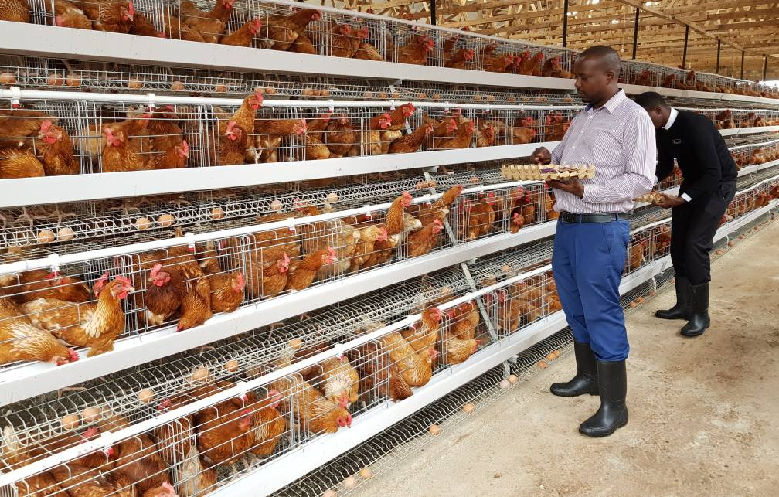
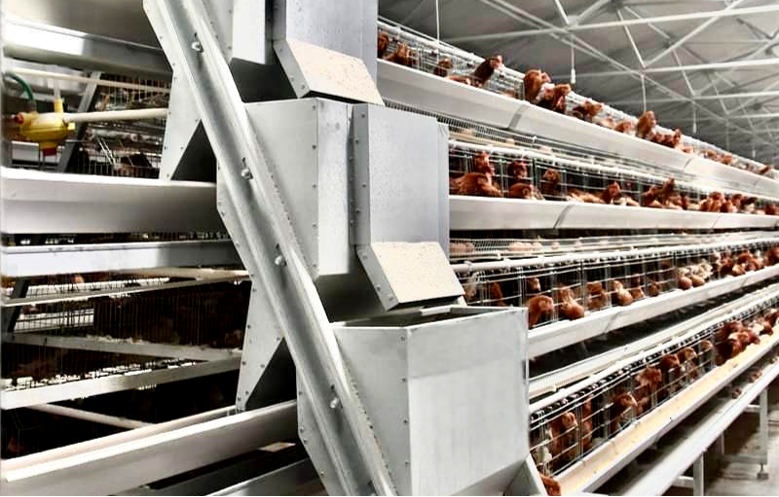
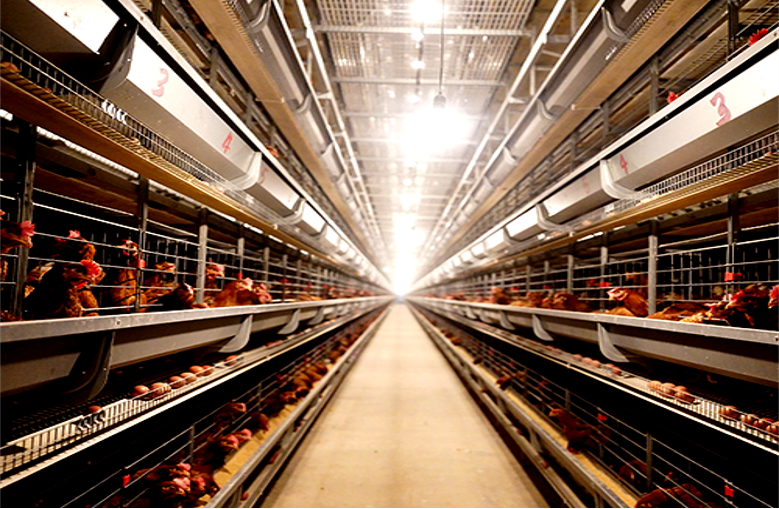
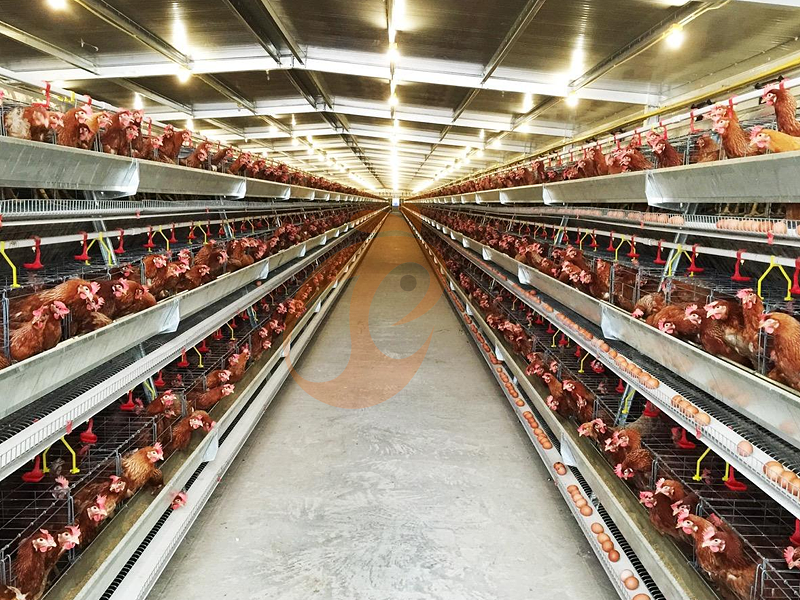
H-type vertical cages use 4, 8, 12, or 16 tiers, with individual set capacities of 128, 256, 384, or 512 birds respectively, maximizing land utilization for large-scale commercial farms.
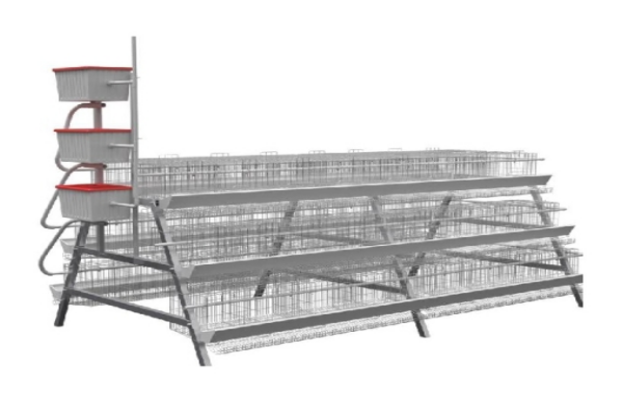
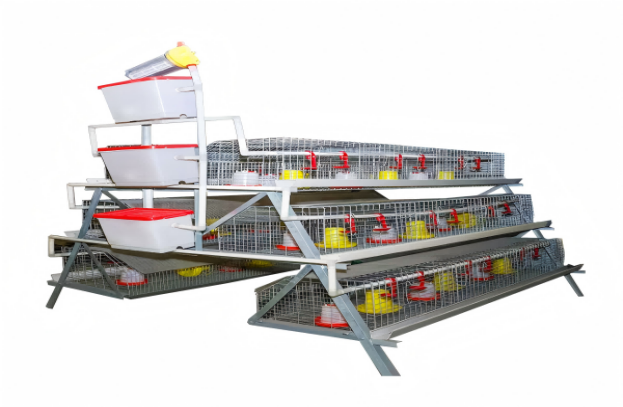
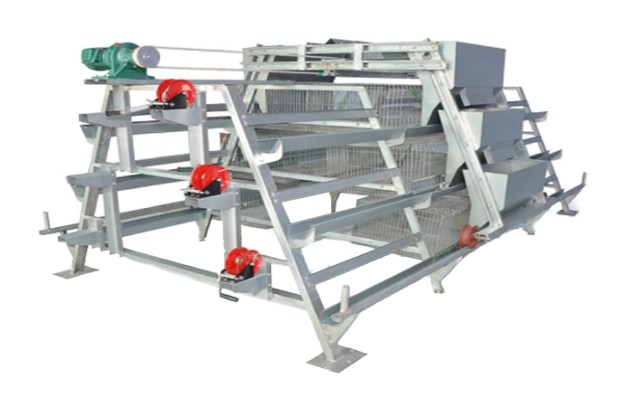
A-type layer cages use 3, 4, or 5 tiers, with individual set capacities of 120, 160, or 200 birds respectively.
Hot-dip galvanized wire mesh with 275 grams per square meter zinc coating resists ammonia corrosion for long-term commercial operation.
Data is for reference only. Swipe horizontally to view full table.
|
Type |
Tier/Set |
Size (L × W × H)/Unit (M) |
Cell Size (L × W × H) (CM) |
Cells/Unit Per Set |
Birds/Cell |
Birds/Set |
Space/Bird (CM²) |
|
H1 |
4 |
1.25 × 1.25 × 3.3 |
60 × 62.5 × 48 |
16 |
8 |
128 |
468.75 |
|
H2 |
8 |
1.25 × 1.25 × 7 |
60 × 62.5 × 48 |
32 |
8 |
256 |
468.75 |
|
H3 |
12 |
1.25 × 1.25 × 10.3 |
60 × 62.5 × 48 |
48 |
8 |
384 |
468.75 |
|
H4 |
16 |
1.25 × 1.25 × 14 |
60 × 62.5 × 48 |
64 |
8 |
512 |
468.75 |
|
Type |
Tier/Set |
Size (L × W × H)/Unit (M) |
Cell Size (L × W × H) (CM) |
Cells/Unit Per Set |
Birds/Cell |
Birds/Set |
Space/Bird (CM²) |
|
A1 |
3 |
2.2 × 2.4 × 1.85 |
43 × 38 × 38 |
30 |
4 |
120 |
408.5 |
|
A2 |
4 |
2.2 × 2.4 × 2.2 |
43 × 38 × 38 |
40 |
4 |
160 |
408.5 |
|
A3 |
5 |
2.2 × 2.4 × 2.8 |
43 × 38 × 38 |
50 |
4 |
200 |
408.5 |
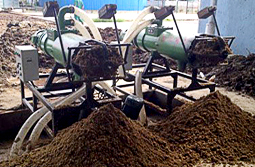
Manure Removal: Polypropylene conveyor belts beneath each tier evacuate droppings every 48 hours, keeping indoor ammonia concentrations below 10 parts per million.
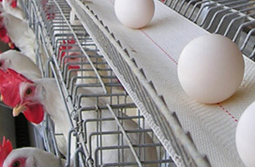
Egg Collection: Soft longitudinal belts transport eggs smoothly to central grading tables with breakage rates below 0.5%.
4.2 Deep-Litter Floor And Free-Range Systems
Floor systems spread 5 to 8 centimeters of dry wood shavings or rice hulls across concrete floors.
Birds express natural scratching behaviors, though operators must stir litter weekly to prevent caking and footpad dermatitis.
Free-range setups add outdoor paddock access at 4 square meters per bird alongside predator-proof mesh fencing.
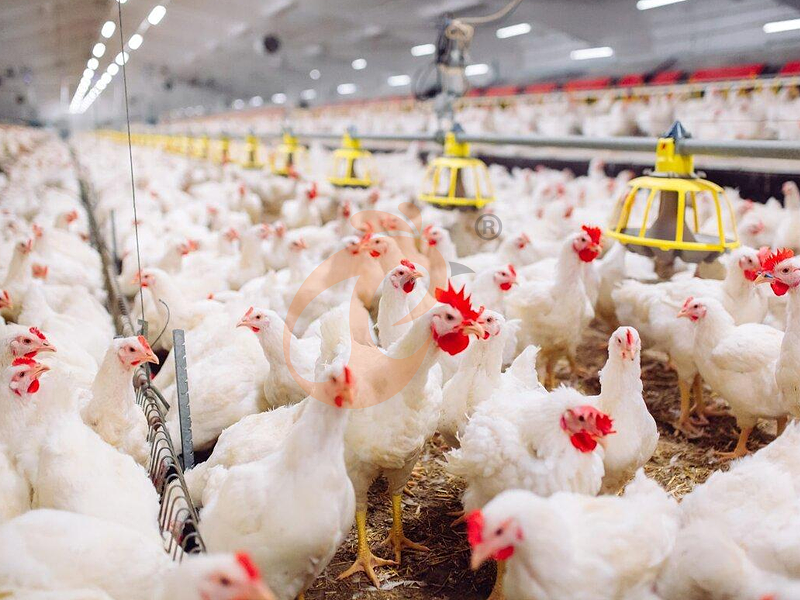
Daily farm routines vary significantly depending on production goals and house automation.
Consistent environmental monitoring prevents sudden disease outbreaks and feed conversion drops.
Data is for reference only. Swipe horizontally to view full table.
|
Management Task |
Layer House Routine |
Broiler House Routine |
|
Temperature target (adult birds) |
18°C to 24°C |
20°C to 22°C |
|
Relative humidity range |
55% to 65% |
60% to 70% |
|
Daily mortality threshold |
Less than 0.03% per day |
Less than 0.08% per day |
|
House cleanout frequency |
Once every 18 months |
Every 7 to 8 weeks |
5.1 Biosecurity And Vaccination Schedules
Strict all-in, all-out scheduling prevents pathogens from cycling between older and younger flocks.
Farm workers change boots and coveralls at house entryways equipped with alkaline disinfectant footbaths.
● Broiler Vaccination: Chicks receive Newcastle disease and Infectious Bronchitis vaccines via coarse spray at day 1, followed by Gumboro vaccine in drinking water at day 14.
● Layer Vaccination: Pullets undergo 12 to 15 targeted vaccinations during the first 16 weeks, including Marek's disease, Fowl Pox, and Coryza.
For small and medium commercial layer farms, Taiyu Group (HK) A-Type Layer Cages offer 3-, 4-, and 5-tier configurations with individual set capacities of 120, 160, and 200 birds.
Explore A-type layer cage configurations for 1,000–5,000-bird and 10,000–20,000-bird projects. WhatsApp to +8618830120193.
Aligning harvest schedules with regional market demand protects profit margins against seasonal price fluctuations.
6.1 Cash Flow And Processing Logistics
Broiler producers partner with slaughterhouses or live-bird traders months ahead of placement to lock in pickup dates when birds reach 2.2 to 2.6 kilograms.
Layer farmers establish standing contracts with supermarkets, bakeries, and food distributors requiring graded, stamped, and carton-packed eggs sorted by
weight classes from 53 grams to over 73 grams.
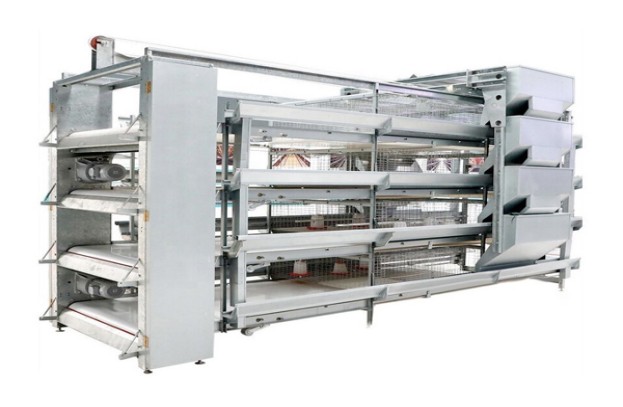
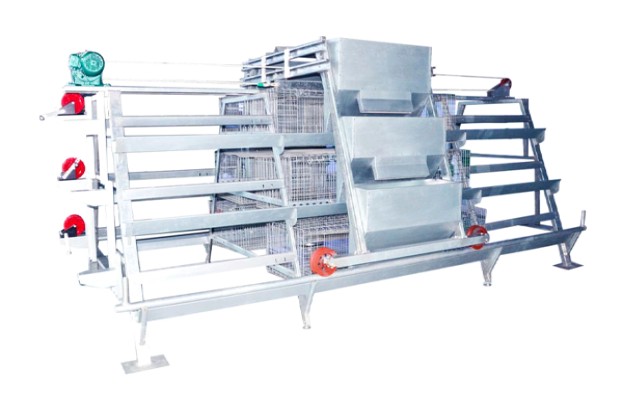
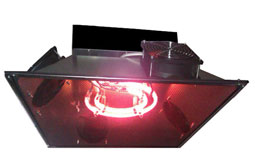
Commercial projects combining cage housing, feeding, drinking, egg collection, manure removal, and ventilation can explore Taiyu Group (HK) Poultry Farm Equipment for integrated poultry equipment solutions.
Get factory-direct poultry equipment prices and engineering support for your next layer farm project. WhatsApp to +8618830120193.
1. Global Service Network
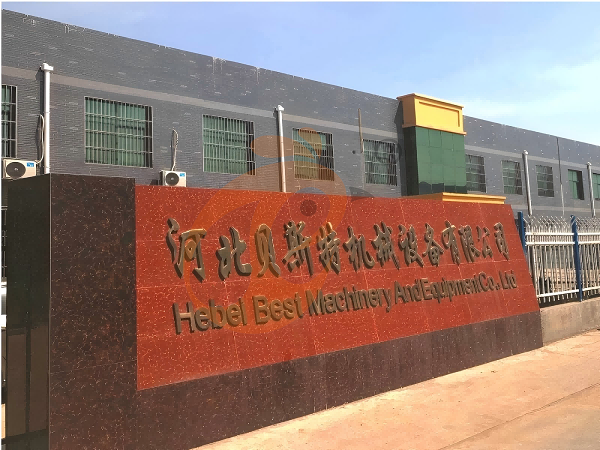
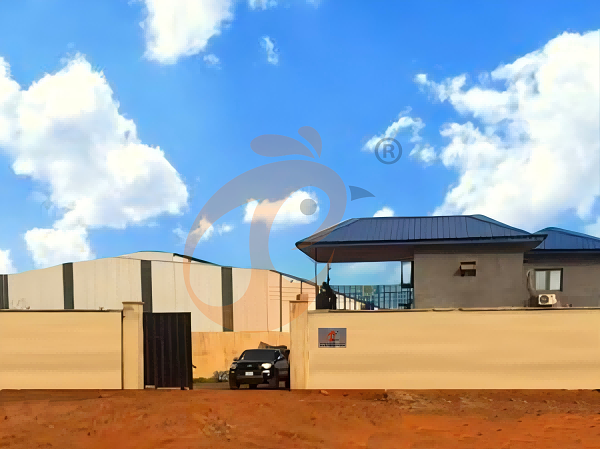
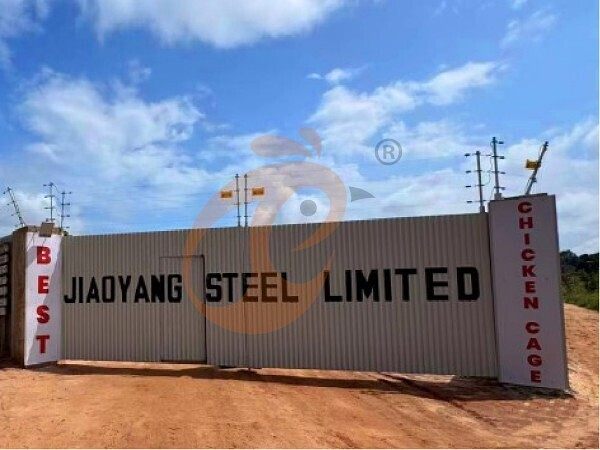
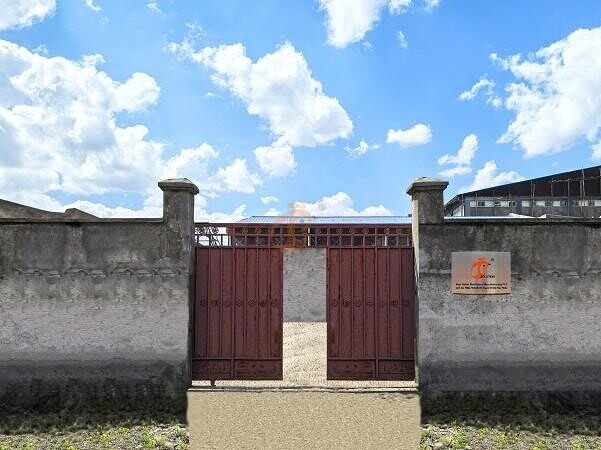
Headquartered in Hong Kong, with branches and factories in China, Vietnam, Thailand, Nigeria, Kenya, Ethiopia, and Tanzania, providing more localized project and after-sales support.
2. International Quality Standards
Strict quality control and double inspections.
Certifications and export documents include CE, SGS, ISO 9001, CCVO, PVOC, SONCAP, COC, ECTN, FORM A/F/M, and more.
3. One-to-One VIP Service
Dedicated account managers provide customized farm designs, equipment configurations, and quotations for projects ranging from 500 to 100,000+ birds per house.
4. Lifetime After-Sales Service
Installation guidance, equipment commissioning, operator training, remote technical support, spare parts supply, and ongoing maintenance.
Headquarters And Branchs
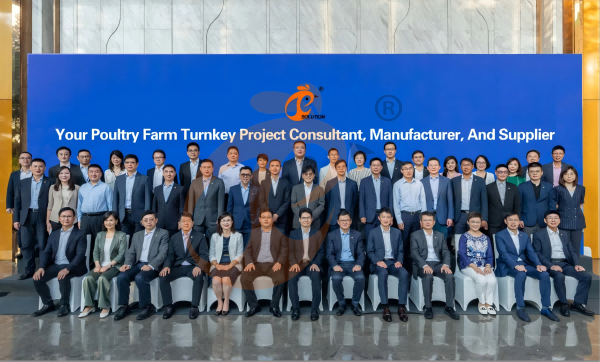
Hong Kong Headquarter Management Team
Hong Kong Headquarter Taiyu Industrial Group CO., LTD
China Hebei Best Machinery And Equipment CO., LTD
Nigeria Vanke Machinery And Equipment CO., LTD
Tanzania Best Machinery And Equipment CO., LTD
Ethiopia Best Hebei Machinery Manufacturing PLC
Reception /24 WhatsApp NO. : +8618830120193
SEND YOUR MESSAGE TO US
(* We will reply your inquiry to this Email as soon as we see it.)RECENT BOLGS
CONTACT US
HOT PRODUCTS