E-mail:sales@bestchickencage.com
E-mail:sales@bestchickencage.com


Starting a poultry farm with 1,000 to 100,000+ birds requires planning for production capacity, housing, equipment, investment, and daily management.
Production Planning: Choose layers, broilers, or breeders according to market demand.
Farm Capacity: Calculate bird numbers, housing area, feed, and water requirements.
Site Engineering: Assess soil, drainage, ventilation, and utility access.
Financial Preparation: Estimate construction, equipment, livestock, and operating costs.
Equipment Configuration: Compare cage-based, floor-raised, and free-range systems.
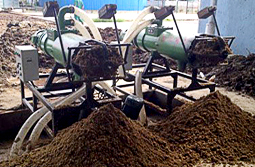
Environmental Management: Plan ventilation, temperature, water, and manure handling.
Business Management: Prepare staffing, maintenance, production, and sales arrangements.
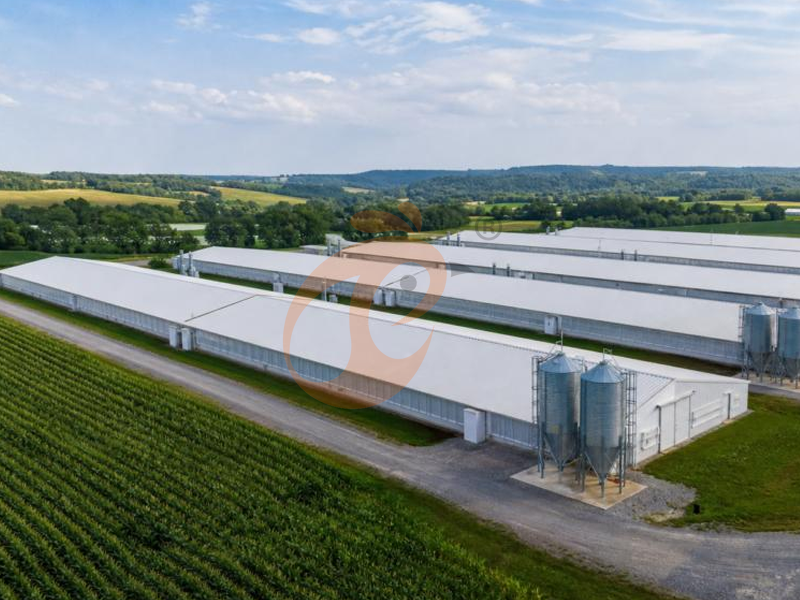
Poultry production generally includes egg production, broiler farming, and breeder operations.
Each model requires different housing, equipment, feeding programs, and production schedules.
1.1. Egg Production Farming
Layer farming focuses on commercial egg production, generally starting at 18–20 weeks.
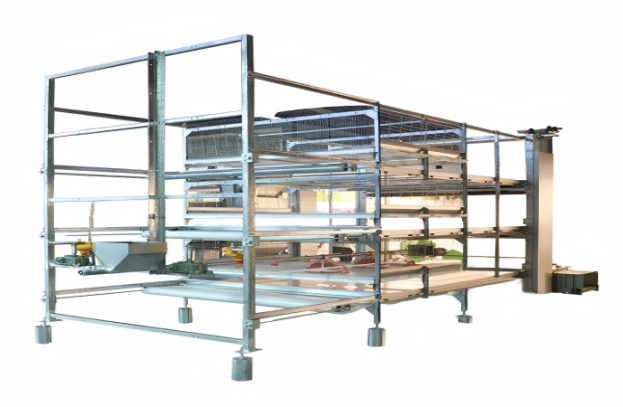
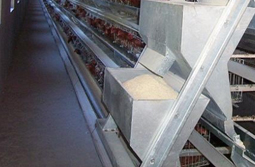
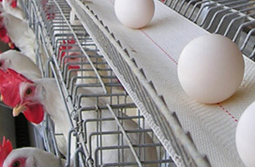
Essential equipment includes automatic feeders, nipple drinkers, egg collection belts, manure conveyors, and environmental controllers.
A preliminary planning reference is 110–120 g feed per hen daily, 250–330 eggs annually, and 25–35 liters of water per 100 hens daily.
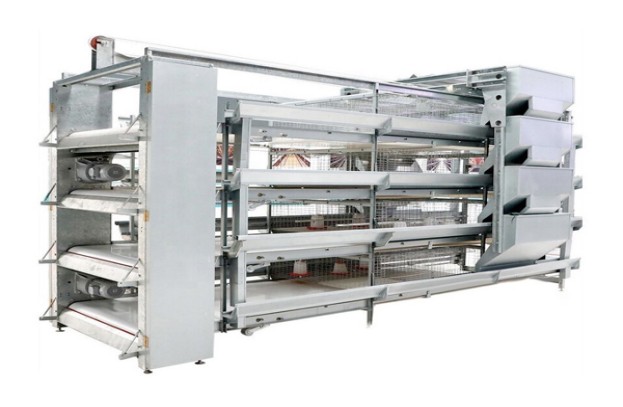
For multi-tier egg production projects, review Taiyu Group (HK) H-Type Layer Cages when comparing cage capacity and configuration.
Get factory-direct layer cage solutions and technical specifications for your poultry project. WhatsApp to +8618830120193.
1.2. Broiler Production Farming
Broiler farms require suitable feeding, drinking, heating, and ventilation equipment to support rapid growth.
Typical planning parameters include:
Market age: 35–49 days.
Feed conversion ratio: 1.5–1.9 kg feed/kg weight gain.
Market weight: 1.8–2.8 kg per bird.
Litter depth: 5–10 cm.
1.3. Breeder And Chick Production
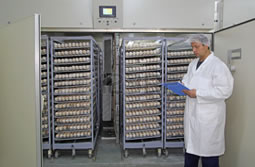
Breeder farms produce fertile eggs for hatcheries and require nest boxes, controlled mating arrangements, and egg collection equipment. Incubation generally takes 21 days, while short-term egg storage commonly uses 12–16°C.
| Production Type | Main Product | Reference Parameter |
| Layer | Table eggs | 110–120 g feed/hen/day |
| Broiler | Meat chickens | 35–49 days/cycle |
| Breeder | Fertile eggs | 21-day incubation |
| Hatchery | Day-old chicks | 37.5°C initial setter temperature |
Market insights are derived from regional research, industry assessments, and market trend analysis conducted by Taiyu Group (HK).
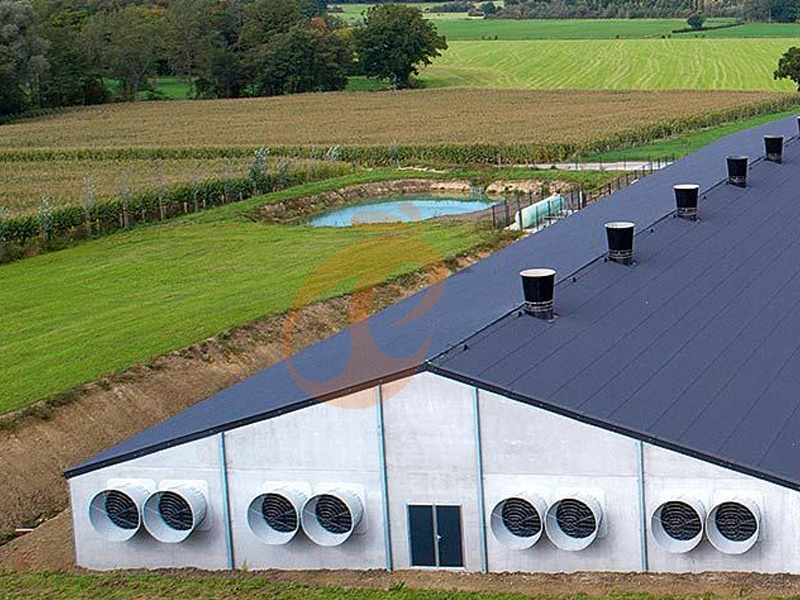
Farm capacity should match investment, market demand, labor availability, and building infrastructure.
Calculate usable production space rather than relying only on total land area.
2.1. Establish The Initial Bird Population
| Farm Scale | Bird Population | Equipment Arrangement |
| Small | 1,000–5,000 | Manual or semi-automatic |
| Medium | 5,000–20,000 | Semi-automatic or fully automatic |
| Large | 20,000–50,000 | Centralized monitoring |
| Industrial | 50,000–100,000+ | Automated management |
2.2. Calculate Usable Housing Area
Stocking density depends on bird weight, ventilation, flooring, and applicable regulations.
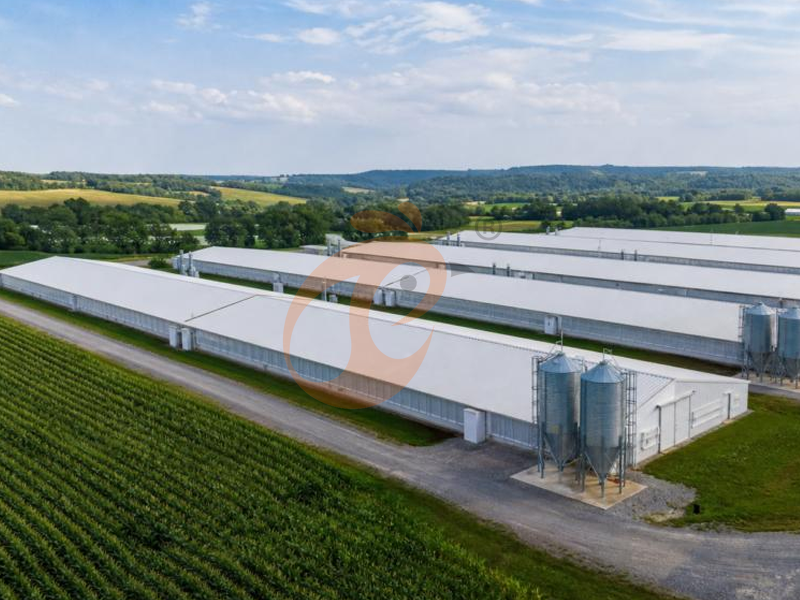
For example, 30,000 broilers averaging 2.2 kg at 33 kg/m² require approximately 2,000 m² of usable floor area.
Additional space is needed for service corridors, equipment access, and feeding arrangements.
2.3. Calculate Feed Storage Capacity
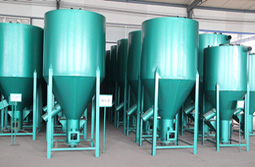
A 30,000-bird broiler flock consuming 100 g feed per bird daily requires approximately 3,000 kg per day.
A three-day reserve requires 9,000 kg of storage.
| Planning Parameter | Reference Value |
| Daily feed consumption | 3,000 kg |
| Reserve duration | 3 days |
| Required inventory | 9,000 kg |
| Example silo capacity | 15,000 kg |
3.2. Design Poultry House Dimensions
Building dimensions should match ventilation requirements, equipment layout, and structural design.
| Building Parameter | Reference Dimension |
| House width | 12–16 m |
| House length | 80–120 m |
| Eave height | 2.8–3.5 m |
| Roof insulation | 50–100 mm |
| Concrete floor | 100–150 mm |
| Drainage gradient | 1.5–2.0% |
Technical assessments draw upon product testing results, engineering research, and performance evaluations conducted by Taiyu Group (HK).
Actual foundations, reinforcement, and roof structures require calculations based on local soil conditions and building codes.
3.3. Check Transportation And Utility Access
Confirm reliable electricity, drinking water, road access, and communication infrastructure.
Verify land-use approvals, environmental permits, wastewater requirements, and building separation distances before construction.
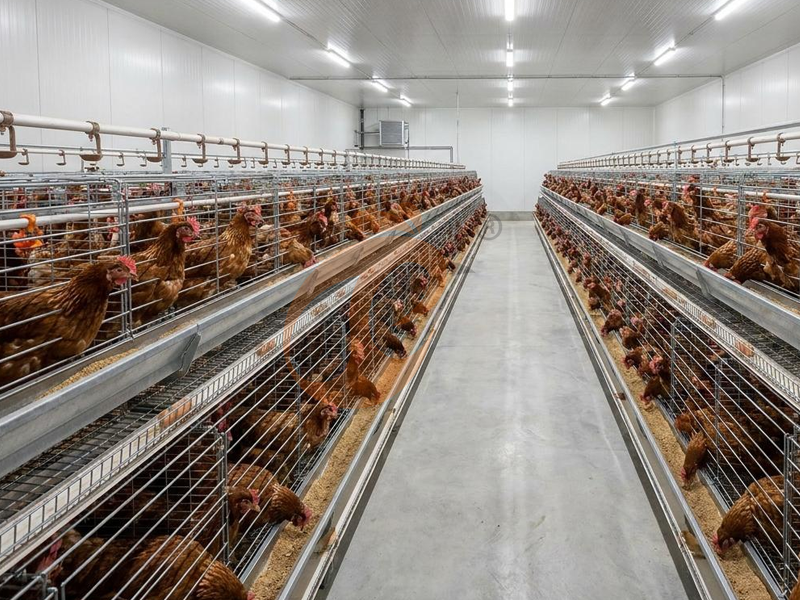
The consideration before strarting a poultry farm includes both initial investment and recurring expenses.
Budget for land, construction, machinery, livestock, feed, labor, electricity, and maintenance.
4.1. Calculate Initial Investment
The following figures are illustrative planning allowances for a small-to-medium poultry project.
| Investment Category | Estimated Budget (USD) |
| Site preparation | $10,000–$30,000 |
| Building construction | $80,000–$180,000 |
| Poultry equipment | $35,000–$90,000 |
| Electrical installation | $8,000–$20,000 |
| Initial flock | $5,000–$15,000 |
| Biosecurity facilities | $3,000–$10,000 |
European union standard reference only: These are illustrative USD estimates, not official European union construction prices.
Actual costs depend on location, materials, and installation requirements.
4.2. Estimate Operating Expenses
Calculate feed, labor, veterinary services, electricity, water, bedding, packaging, and transportation separately.
A farm placing 30,000 broilers six times annually may handle approximately 180,000 bird placements, subject to mortality and production schedules.
4.3. Establish A Financial Reserve
Prepare contingency funding for equipment replacement, feed price fluctuations, disease prevention, and production interruptions.
Test financial models against 5%, 10%, and 15% increases in feed costs.
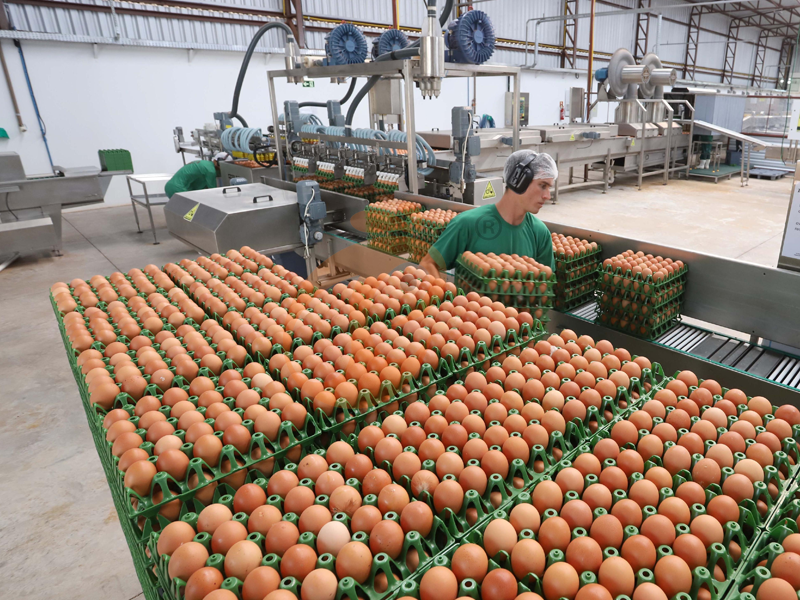
Housing selection determines building investment, equipment configuration, labor requirements, and manure management.
Common options include floor-raised, cage-based, and free-range systems.
5.1. Floor-Raised Poultry Housing
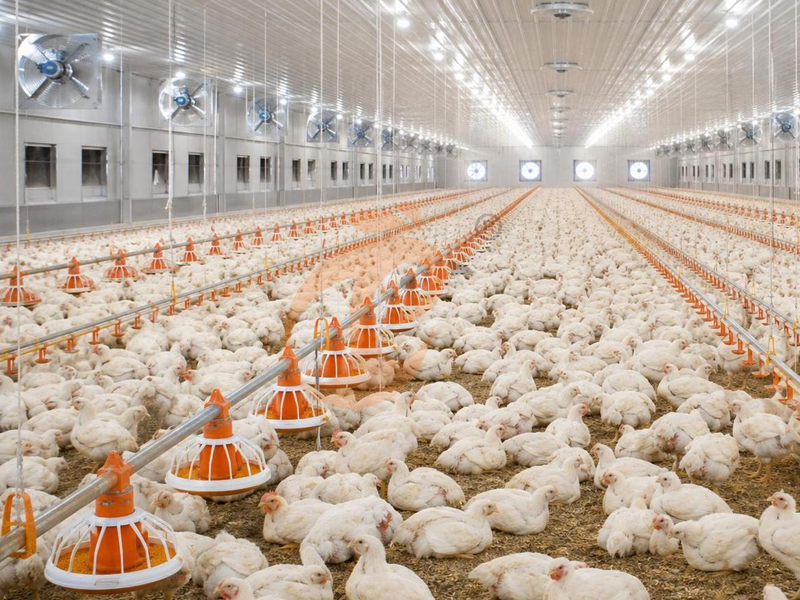
Floor-raised systems use litter-covered floors and require pan feeders, nipple drinkers, ventilation fans, cooling pads, and brooding heaters.
Preliminary planning may use 10–12 birds per pan feeder, 10–12 birds per nipple drinker, and 5–10 cm of bedding, subject to equipment specifications.
5.2. Cage-Based Poultry Housing
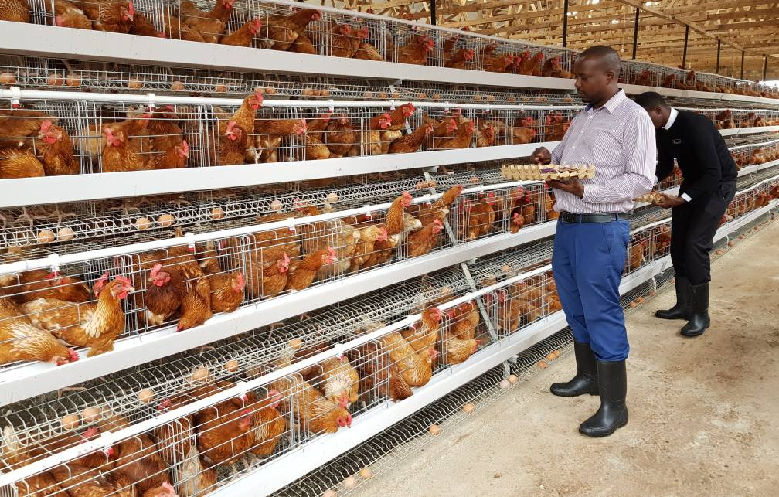
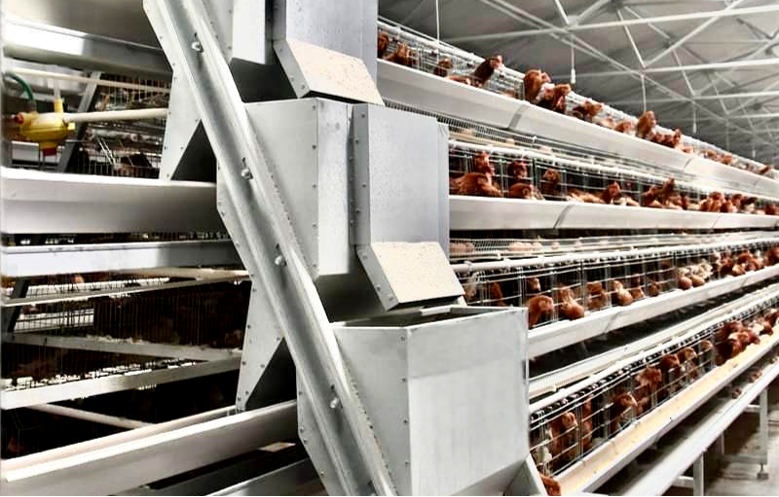
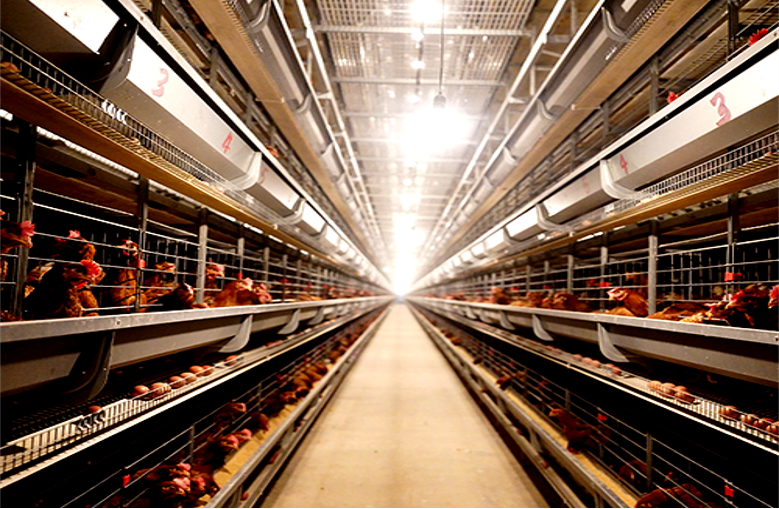
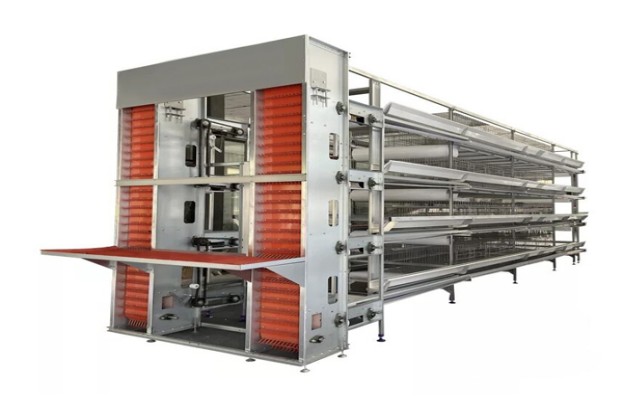
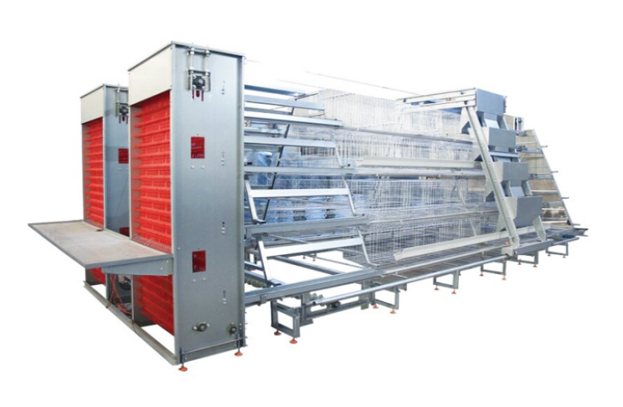
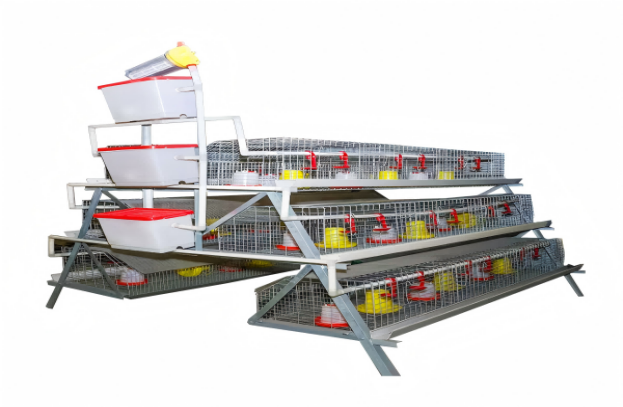
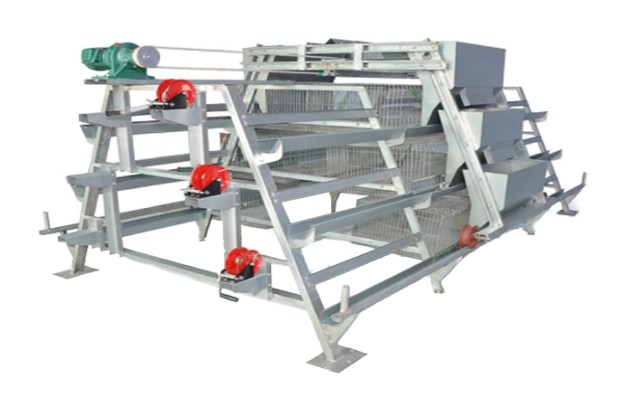
Multi-tier cage systems integrate feeding, drinking, egg collection, and manure removal.
Key considerations include cage dimensions, bird allocation, conveyor alignment, belt maintenance, and inspection corridors.
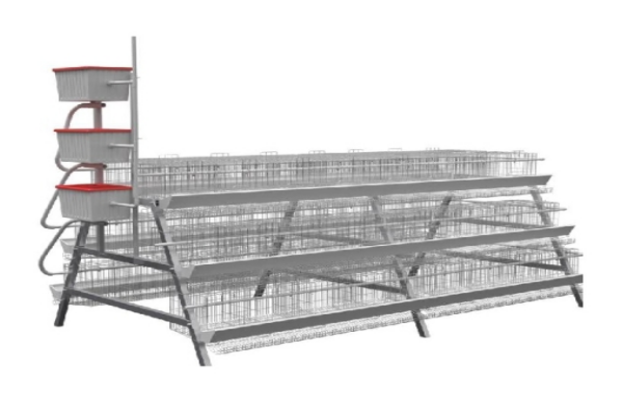
For projects using A-type layer housing, explore Taiyu Group (HK) A-Type Layer Cages for relevant cage dimensions and bird-capacity options.
Compare A-type layer cage configurations, production capacity, and factory-direct equipment solutions. WhatsApp to +8618830120193.
For European union layer projects, enriched cages require at least 750 cm² per hen, including 600 cm² usable area, under Council Directive 1999/74/EC.
5.3. Free-Range Poultry Housing
Free-range systems combine indoor housing with outdoor access.
Planning should include fencing, popholes, shelters, nesting facilities, and predator protection.
Applicable European union free-range standards specify an outdoor area of 4 m² per hen.
5.4. Compare Housing And Equipment Requirements
| Housing System | Main Configuration | Key Requirement |
| Floor-raised | Litter-covered floor | 10–12 birds per pan feeder |
| Cage-based | Multi-tier cages | 750 cm²/hen for European union enriched cages |
| Free-range | Indoor and outdoor areas | 4 m² outdoor area/hen under applicable European union rules |
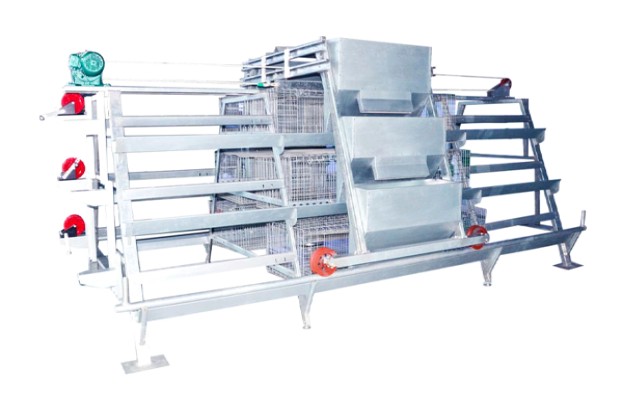
Compare integrated Taiyu Group (HK) Poultry Farm Equipment when coordinating feeding, drinking, egg collection, manure removal, and environmental control systems.
Plan an integrated poultry farm equipment project with factory-direct supply and turnkey engineering support. WhatsApp to +8618830120193.
Reliable infrastructure supports bird health, equipment operation, and production continuity.
6.1. Design Water Supply And Treatment
Water systems should include storage tanks, filtration, pressure regulators, distribution pipes, and flushing arrangements.
A preliminary layer reference is 0.25–0.45 liters per bird daily, depending on climate and production conditions.
For 20,000 hens consuming 0.35 liters each, daily demand reaches 7,000 liters.
A 10 m³ tank provides approximately 1.43 days of theoretical storage.
6.2. Prepare Electrical Distribution And Backup Power
Calculate the loads of ventilation fans, pumps, feed motors, conveyors, lighting, and controllers.
Twelve 1.5 kW fans require 18 kW nominal power, excluding starting loads and other equipment.
6.3. Establish Ventilation And Temperature Control
Monitor temperature, humidity, air velocity, ammonia, and carbon dioxide to maintain suitable housing conditions.
| Environmental Parameter | Reference Value |
| Initial brooding temperature | 32–35°C |
| Relative humidity | 50–70% |
| Ammonia management target | Below 10 ppm |
| Carbon dioxide target | Below 3,000 ppm |
| Air velocity during heat management | 1.5–2.5 m/s |
Adjust settings according to bird age, stocking density, and measured conditions.
6.4. Implement Farm Biosecurity
Establish controlled entrances, footbaths, protective clothing, vehicle disinfection, cleaning schedules, and rodent monitoring.
Isolate sick birds and arrange veterinary assessment.
Regularly test drinking water and flush pipelines.
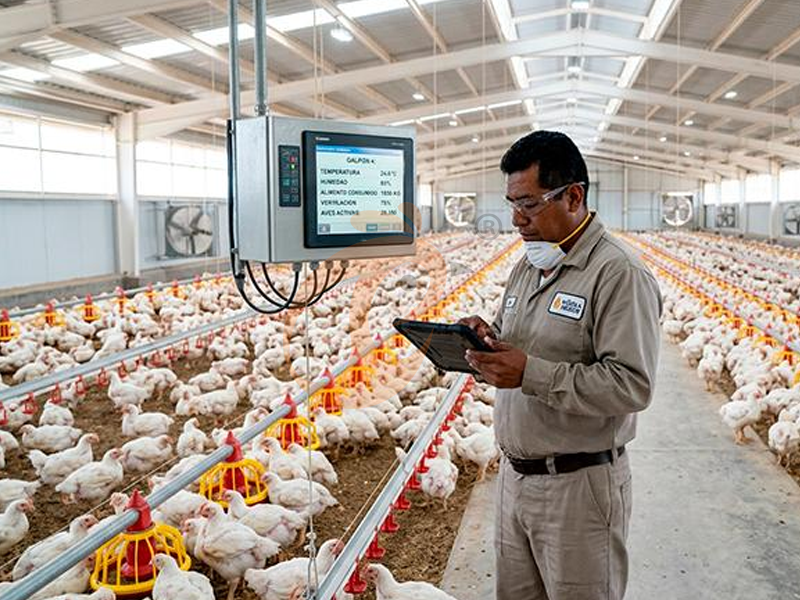
A business plan should connect production targets, staffing, maintenance, equipment, and sales arrangements.
7.1. Establish Production And Sales Targets
Identify customers, product specifications, packaging, delivery schedules, and expected sales.
For example, 20,000 productive hens producing 300 eggs annually could generate approximately 6 million eggs before losses and production fluctuations.
7.2. Assign Operational Responsibilities
Assign staff to flock management, feeding, equipment maintenance, veterinary coordination, quality control, and sales.
Define reporting responsibilities for each department.
7.3. Establish Preventive Maintenance Procedures
A practical maintenance schedule includes:
Daily: Check water lines, feed motors, and ventilation alarms.
Weekly: Inspect bearings, conveyors, and belt alignment.
Monthly: Check electrical connections and generators.
Quarterly: Assess pumps, ventilation, and filtration.
Annually: Review structural components and electrical safety.
7.4. Monitor Farm Performance
| Management Indicator | Monitoring Frequency |
| Mortality rate | Daily |
| Feed conversion ratio | Each production cycle |
| Water consumption | Daily |
| Egg production | Daily |
| Equipment operating time | Daily |
| Maintenance expenditure | Monthly |
| Sales performance | Monthly |
Data is based on more than 20 years of after-sales follow-up records collected by Taiyu Group (HK).
Review production records against targets to identify equipment problems, feed changes, and flock performance variations.
1. Global Service Network
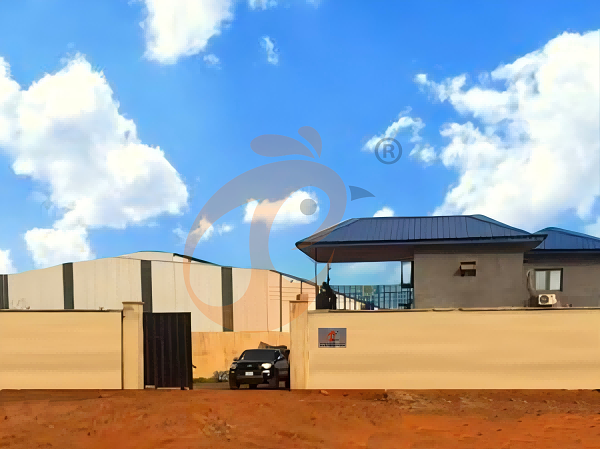
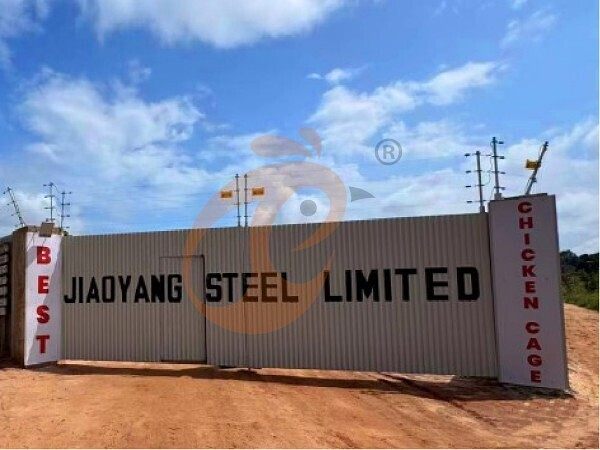
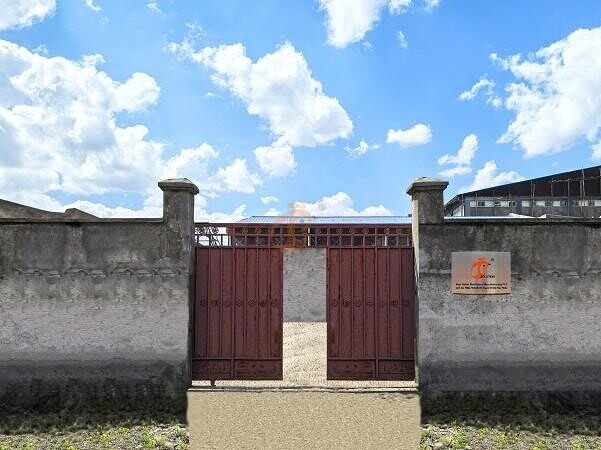
Headquartered in Hong Kong, with branches and factories in China, Vietnam, Thailand, Nigeria, Kenya, Ethiopia, and Tanzania, providing more localized project and after-sales support.
2. International Quality Standards
Strict quality control and double inspections.
Certifications and export documents include CE, SGS, ISO 9001, CCVO, PVOC, SONCAP, COC, ECTN, FORM A/F/M, and more.
3. One-to-One VIP Service
Dedicated account managers provide customized farm designs, equipment configurations, and quotations projects ranging 500 to 100,000+ birds per house.
4. Lifetime After-Sales Service
Installation guidance, equipment commissioning, operator training, remote technical support, spare parts supply, and ongoing maintenance.
Headquarters And Branchs
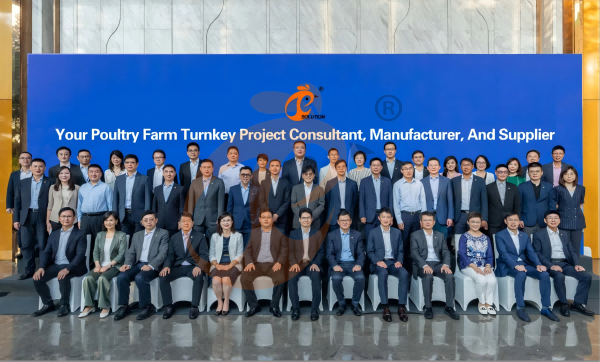
Hong Kong Headquarter Management Team
Hong Kong Headquarter Taiyu Industrial Group CO., LTD
China Hebei Best Machinery And Equipment CO., LTD
Nigeria Vanke Machinery And Equipment CO., LTD
Tanzania Best Machinery And Equipment CO., LTD
Ethiopia Best Hebei Machinery Manufacturing PLC
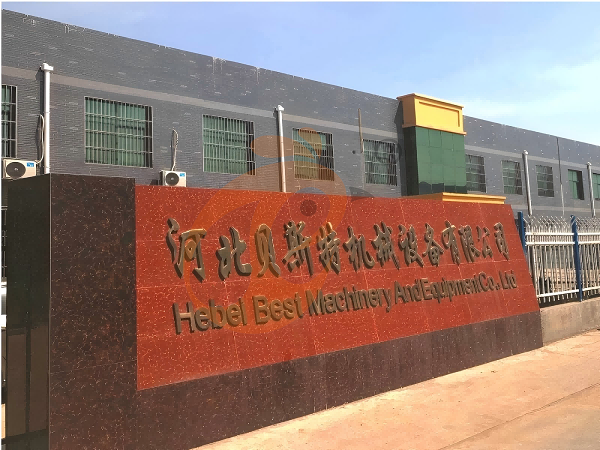
Reception /24 WhatsApp NO. : +8618830120193
Email:sales@bestchickencage.com
SEND YOUR MESSAGE TO US
(* We will reply your inquiry to this Email as soon as we see it.)RECENT BOLGS
CONTACT US
HOT PRODUCTS