E-mail:sales@bestchickencage.com
E-mail:sales@bestchickencage.com


Poultry farming includes four major production models layer, broiler, breeder, and pullet farms. projects ranging from 1,000 to 100,000+ birds.
Farm capacity 1,000–100,000+ birds.
House dimensions 100 m × 15 m provides 1,500 m².
Broiler stocking density 33 kg/m² under the general European union regulatory limit.
Ventilation fan airflow, static pressure, and air velocity determine system performance.
1. Layer Farms For Egg Production
1.1 Egg Collection Management
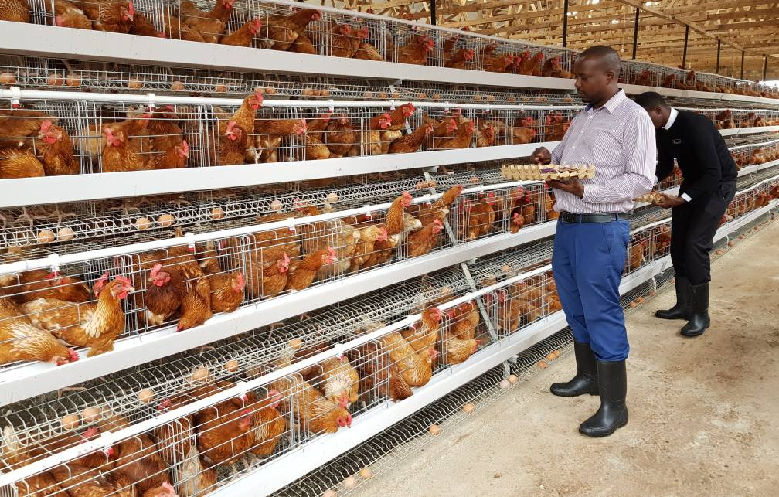
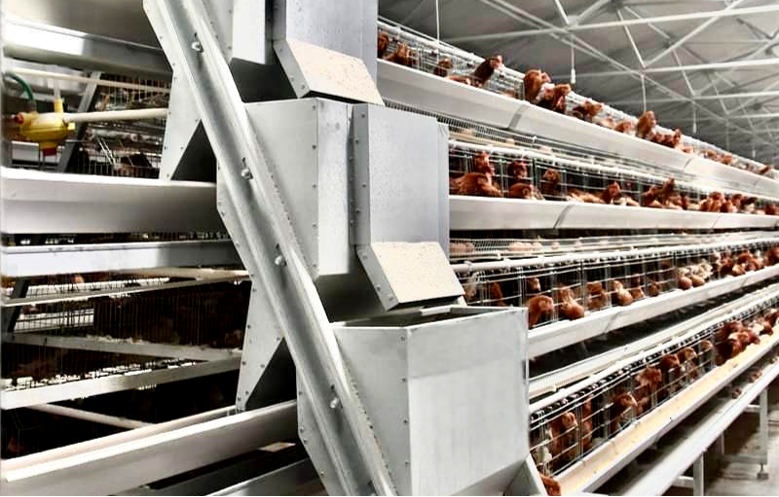
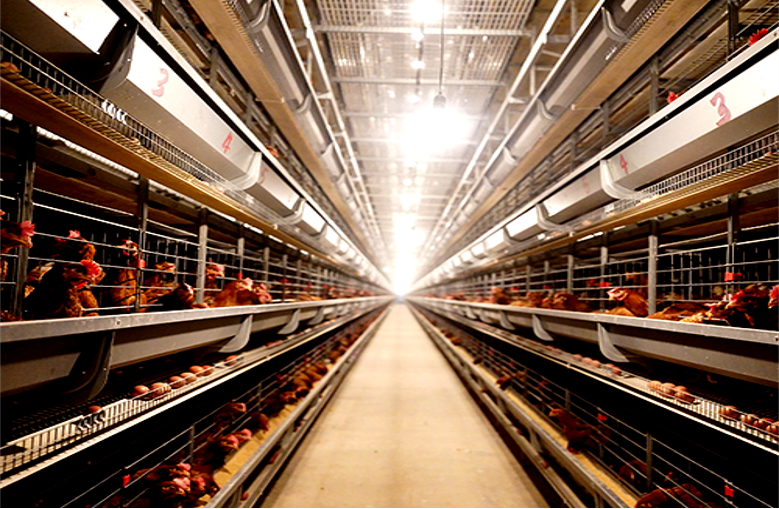
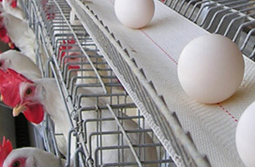
Automatic egg belts transfer eggs through longitudinal and transverse conveyors.
A 40,000-hen farm producing at 94% laying performance requires collection capacity for approximately 37,600 eggs daily.
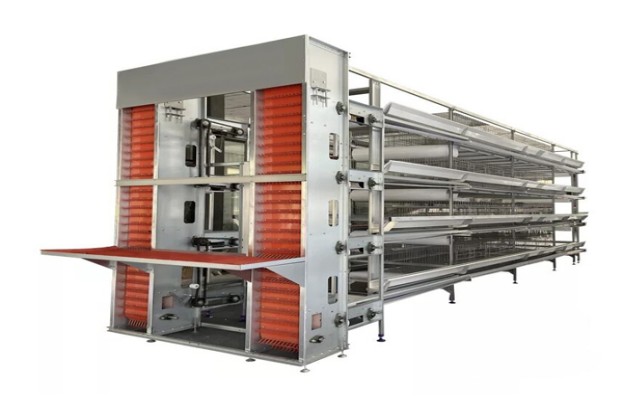
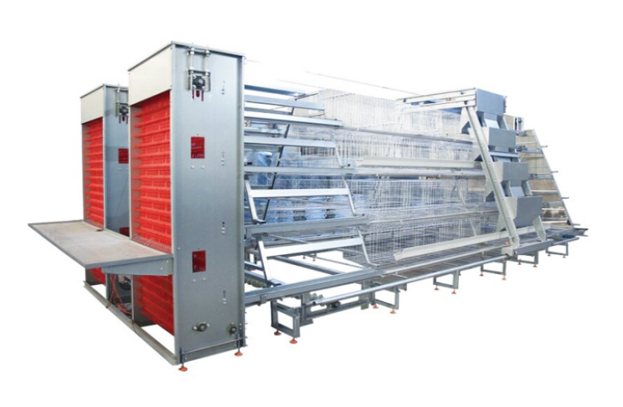
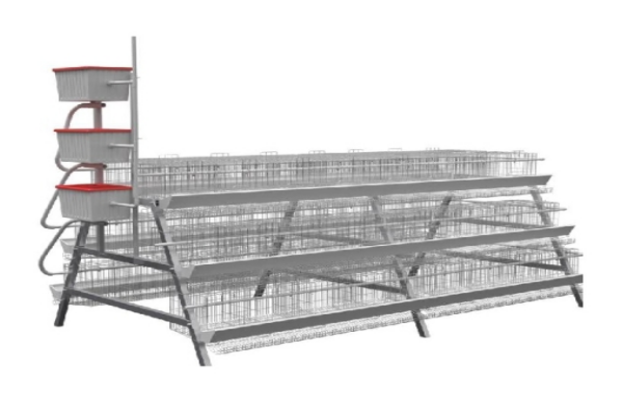
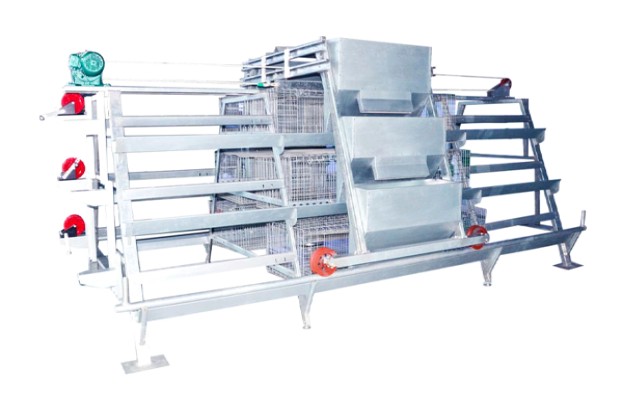
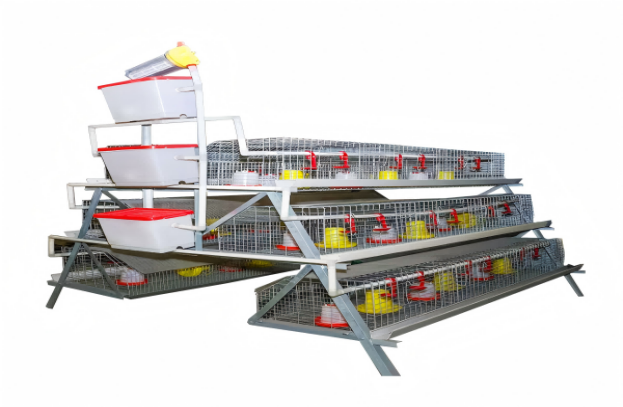
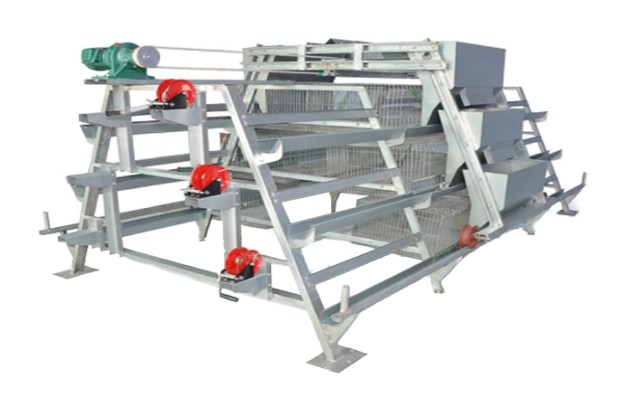
For farms using A-type housing, Taiyu Group (HK) A-type layer cage configurations support 3–5-tier layouts with 120–200 birds per set, depending on the selected model.
Explore suitable A-type layer cage configurations for your poultry project. WhatsApp to +8618830120193.
1.2 Recommended Equipment
|
Equipment |
Technical Function |
|
Battery cage |
Bird housing |
|
Automatic feeder |
Feed distribution |
|
Nipple drinker |
Water supply |
|
Egg conveyor |
Egg transportation |
|
Manure belt |
Waste removal |
Installation assessments are informed by on-site technical reports and service records documented by Taiyu Group (HK).
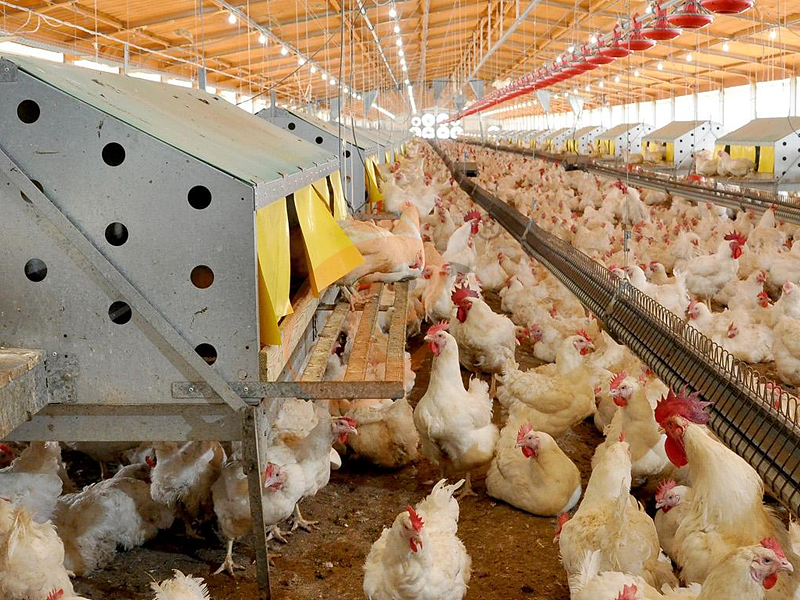
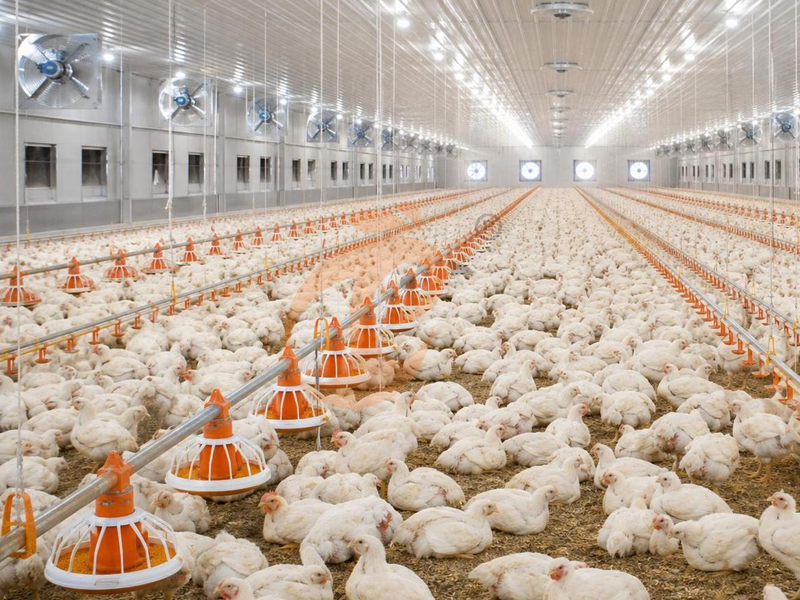
Broiler farms raise chickens for meat processing, generally targeting market weights of 1.5–3.0 kg within approximately 35–56 days.
2.1 Production Objectives
Important indicators include feed conversion ratio, mortality, body weight, and flock uniformity.
A flock of 20,000 birds averaging 2.5 kg produces 50,000 kg of live weight before mortality adjustments.
2.2 Housing And Environmental Equipment
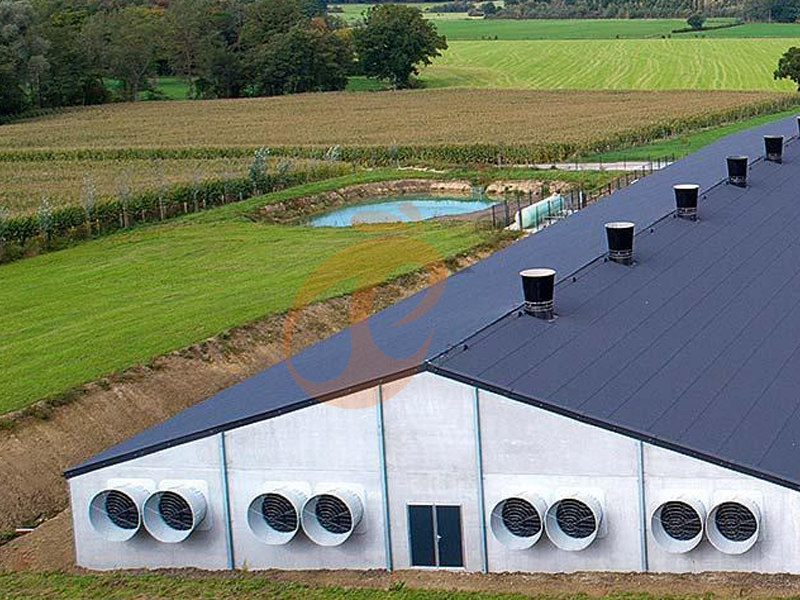
Broiler houses use litter flooring, automatic pan feeders, nipple drinkers, heating equipment, tunnel ventilation, and cooling pads.
2.3 Broiler Technical Parameters
Data is for reference only. Swipe horizontally to view full table.
|
Parameter |
European Union Reference |
Application |
|
General stocking density |
33 kg/m² |
Housing design |
|
Authorized density |
39 kg/m² |
Conditional approval |
|
Ammonia |
20 ppm maximum |
Air quality |
|
Carbon dioxide |
3,000 ppm maximum |
Ventilation |
|
Lighting intensity |
20 lux minimum |
Welfare compliance |
2.4 Harvesting And Equipment
Harvesting involves bird weighing, catching, loading, transportation, and processing coordination.
Ventilation fans should be selected according to airflow capacity, static pressure, and final bird weight.
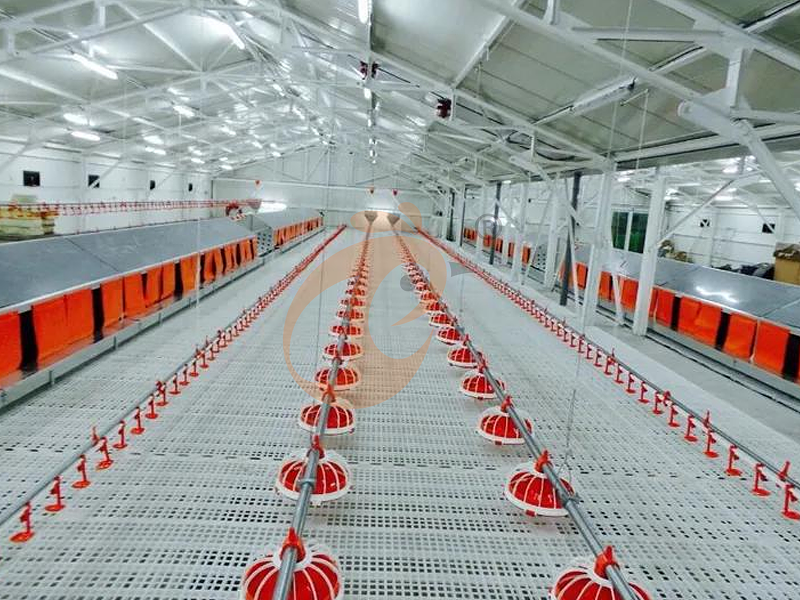
Breeder farms produce fertilized eggs for hatcheries.
Production requires specialized male and female feeding arrangements, mating management, and hatching egg collection.
3.1 Breeder Production Process
The process includes rearing, sexual maturation, mating, egg collection, sorting, and hatchery transportation.
A flock with 8,000 females and 800 males has an initial ratio of 1:10.
3.2 Breeder Equipment And Parameters
Main equipment includes automatic nest boxes, separate feeders, nipple drinkers, egg conveyors, and ventilation systems.
Data is for reference only. Swipe horizontally to view full table.
|
Parameter |
Reference Value |
Application |
|
Male-to-female ratio |
1:9–1:11 |
Breeding management |
|
Nest allocation |
1:4–5 |
Nest planning |
|
Egg storage temperature |
16–18°c |
Short-term storage |
|
Storage humidity |
70–80% |
Egg preservation |
3.3 Hatching Egg Management
Eggs require regular collection, sorting, identification, and controlled storage.
A farm producing 4,500 eggs daily needs suitable conveyor capacity, storage racks, and transportation arrangements.
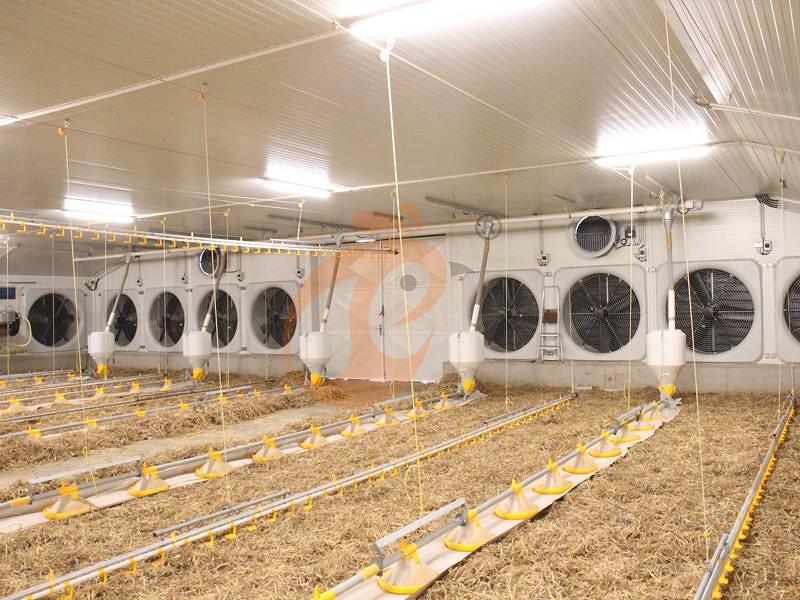
Pullet farms raise young female chickens from day-old chicks to approximately 16–18 weeks before transfer to layer facilities.
4.1 Brooding And Feeding
Initial brooding temperatures generally range from 32–35°c at chick level.
Equipment includes chick trays, automatic feeders, nipple drinkers, brooder heaters, and environmental controllers.
4.2 Pullet Environmental Parameters
Data is for reference only. Swipe horizontally to view full table.
|
Age |
Temperature |
Management Focus |
|
Day 1–7 |
32–35°c |
Brooding |
|
Week 2 |
29–32°c |
Water intake |
|
Week 3 |
26–29°c |
Growth |
|
Week 4 |
23–26°c |
Uniformity |
|
Week 5–8 |
20–24°c |
Development |
4.3 Housing And Transfer
Pullet farms can use cage-based, floor-raised, or aviary systems.
Before transfer, operators should evaluate body weight, vaccination records, feather development, and flock uniformity.
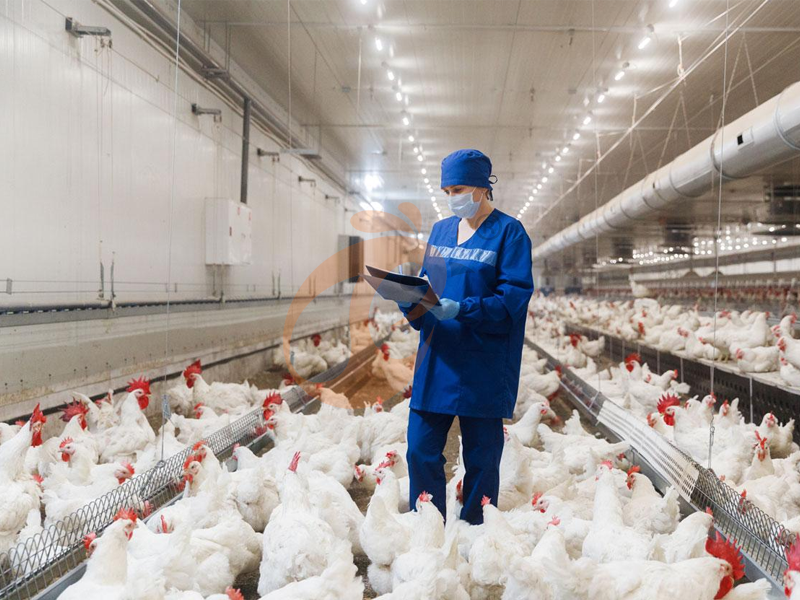
The types of poultry farms can use different housing configurations according to production objectives, available land, and animal welfare regulations.
5.1 Cage-Based Systems
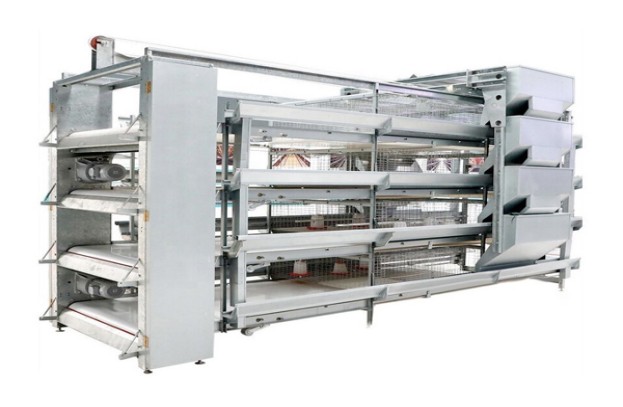
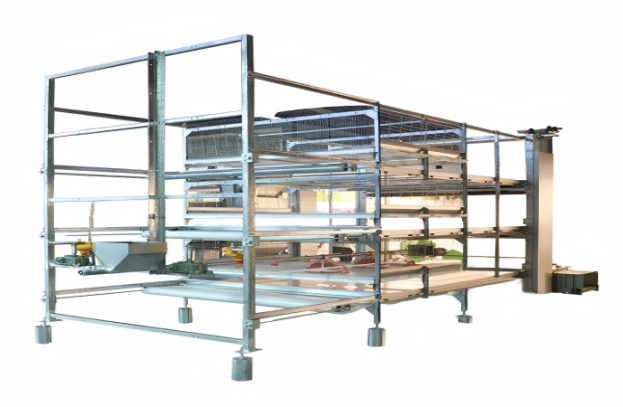
Battery cage systems integrate feeders, drinking lines, egg conveyors, and manure belts.
Such systems are subject to different national regulations.
5.2 Floor-Raised Systems
Floor housing uses litter, automatic pan feeders, nipple drinkers, and mechanical ventilation.
Broiler houses commonly operate with stocking-density calculations based on final live weight.
5.3 Free-Range Systems
Free-range farms require indoor housing, fencing, outdoor access, drainage, and predator protection.
European union free-range egg standards specify 4 m² outdoor area per hen.
5.4 Housing System Comparison
Data is for reference only. Swipe horizontally to view full table.
|
System |
Main Equipment |
Management Requirement |
|
Cage-based |
Battery cage, egg belt, manure belt |
Equipment inspection |
|
Floor-raised |
Litter, pan feeder, drinker |
Litter management |
|
Free-range |
Fencing, nest, outdoor access |
Outdoor biosecurity |
|
Aviary |
Platforms, perches, feeders |
Bird movement |
5.5 Equipment Selection
|
Farm Type |
Main Equipment |
Engineering Priority |
|
Layer |
Battery cage, egg conveyor |
Egg collection |
|
Broiler |
Pan feeder, exhaust fan |
Climate control |
|
Breeder |
Nest box, separate feeder |
Fertility |
|
Pullet |
Chick feeder, brooder |
Growth management |
Selecting Taiyu Group (HK) poultry farm equipment allows investors to coordinate cage configurations, feeding lines, egg collection systems, and manure removal according to farm capacity.
Get factory-direct poultry equipment solutions and project support from Taiyu Group (HK). WhatsApp to +8618830120193.
Market insights are derived from regional research, industry assessments, and market trend analysis conducted by Taiyu Group (HK).
1. Global Service Network
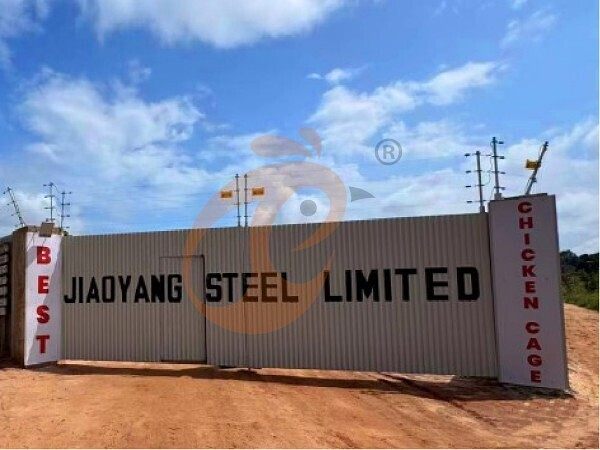
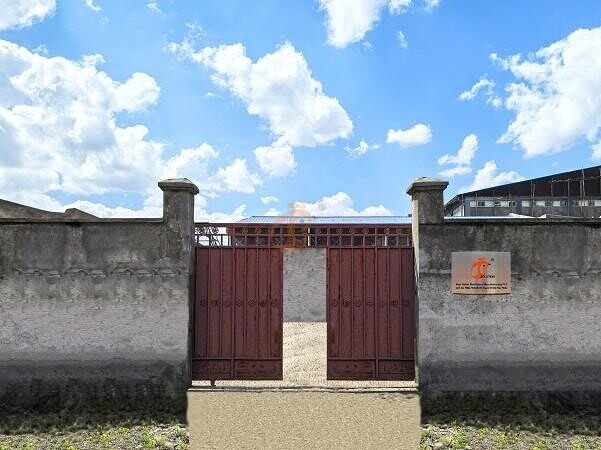
Headquartered in Hong Kong, with branches and factories in China, Vietnam, Thailand, Nigeria, Kenya, Ethiopia, and Tanzania, providing more localized project and after-sales support.
2. International Quality Standards
Strict quality control and double inspections.
Certifications and export documents include CE, SGS, ISO 9001, CCVO, PVOC, SONCAP, COC, ECTN, FORM A/F/M, and more.
3. One-To-One Vip Service
Dedicated account managers provide customized farm designs, equipment configurations, and quotations for projects ranging from 500 to 100,000+ birds per house.
4. Lifetime After-Sales Service
Installation guidance, equipment commissioning, operator training, remote technical support, spare parts supply, and ongoing maintenance.
Headquarters And Branchs
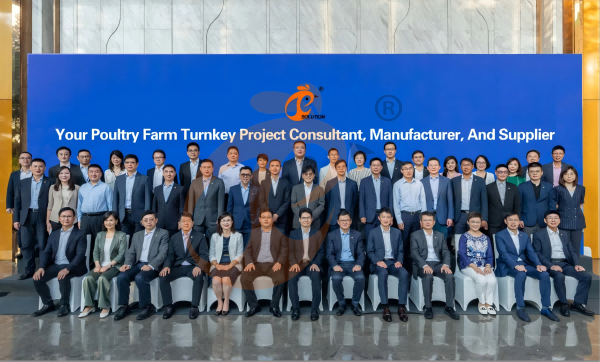
Hong Kong Headquarter Management Team
Reception /24 WhatsApp NO. : +8618830120193
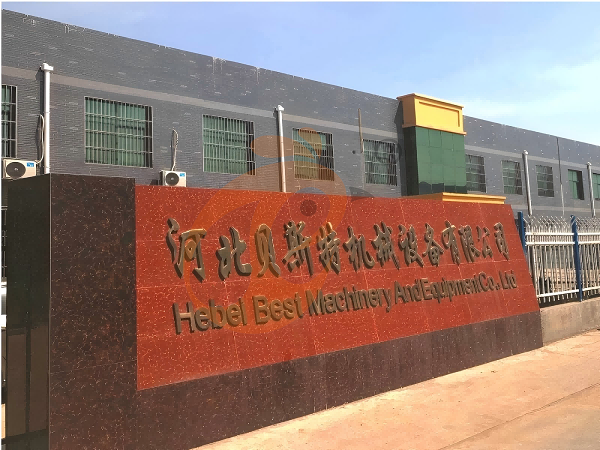
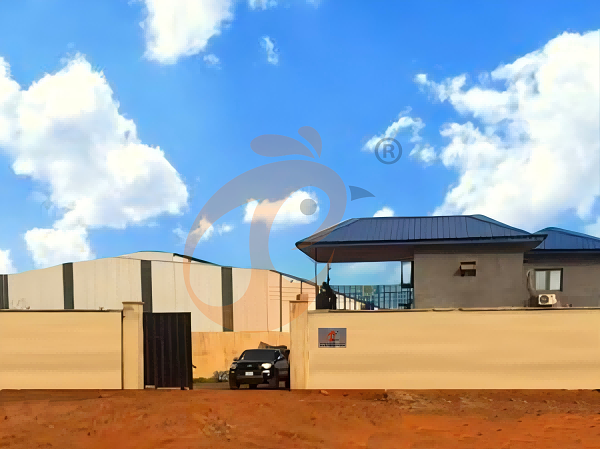
Reception /24 WhatsApp NO. : +8618830120193
SEND YOUR MESSAGE TO US
(* We will reply your inquiry to this Email as soon as we see it.)RECENT BOLGS
CONTACT US
HOT PRODUCTS