E-mail:sales@bestchickencage.com
E-mail:sales@bestchickencage.com


The Food and Agriculture Organization of the United Nations (FAO) identifies feed as the most important variable cost in poultry production, commonly accounting for 65%–70% of total production cost.
Africa is not one uniform market: Nigeria, Ghana, Senegal, Kenya, Uganda, Tanzania, Zambia, Zimbabwe, South Africa, Egypt and Morocco face different feed-price volatility, heat stress, unreliable electricity, disease pressure, land scarcity and financing constraints.
Nigeria and Senegal: Feed costs are highly sensitive to maize and soybean meal prices.
Kenya and Uganda: Feed and day-old-chick costs are major constraints for small and mid-size farms.
Tanzania, Mozambique and coastal West Africa: Humidity, heat and disease pressure require better ventilation and manure separation.
South Africa, Zambia and Zimbabwe: Commercial farms must plan for electricity reliability, labour costs and scalable production.
Egypt and Morocco: Heat management, water efficiency and intensive production require climate-controlled housing.
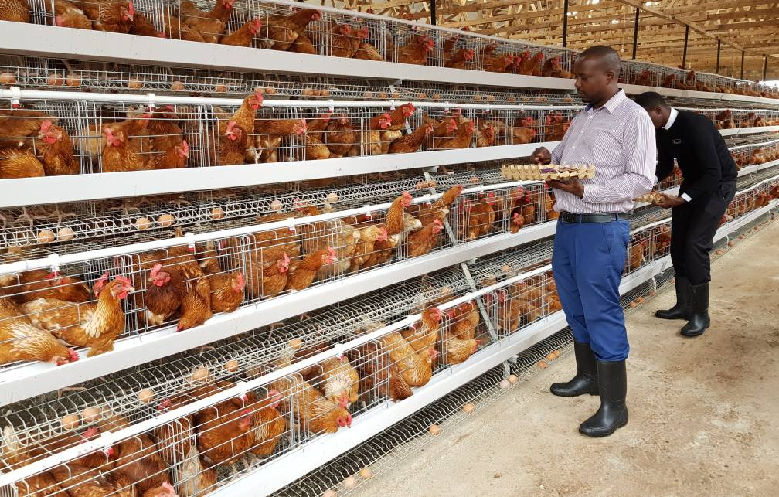
A well-designed advantage of battery cage system gives producers a practical route to predictable output.
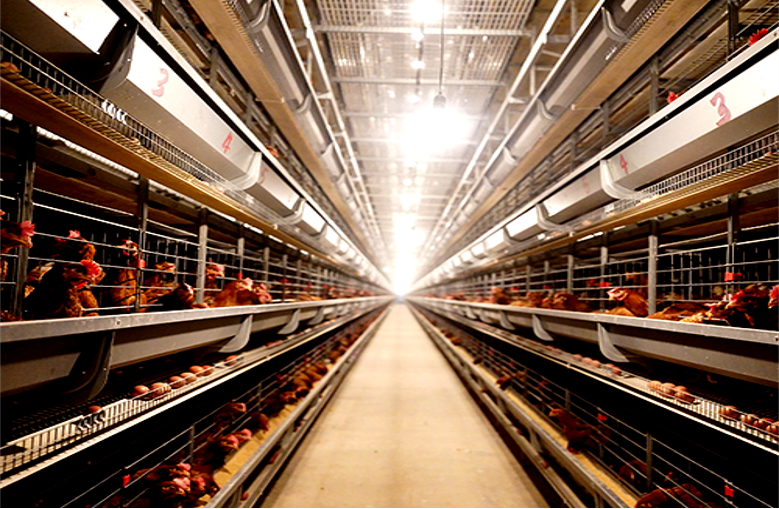
For example, a 1,000-square-metre layer house in Lagos or Nairobi can move from roughly 5,000–6,000 birds on deep litter to 12,000–15,000 birds under a properly ventilated multi-tier cage layout.
At a feed price of US$0.45 per kilogram, reducing avoidable feed waste by 3% across 10,000 hens consuming about 110 g per bird daily can save approximately US$5,410 per year. EU standard reference only.
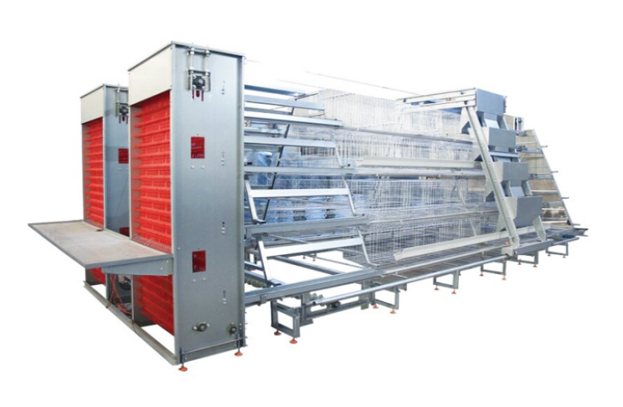
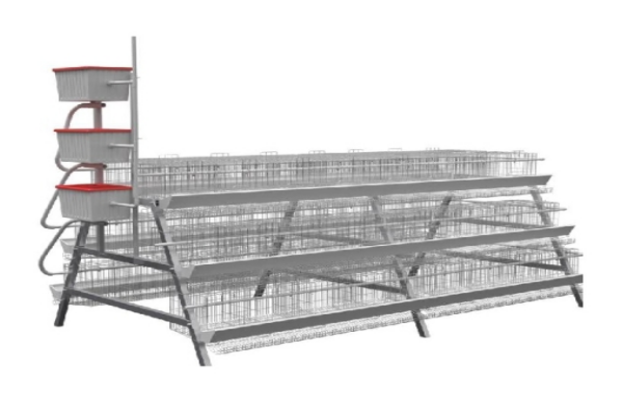
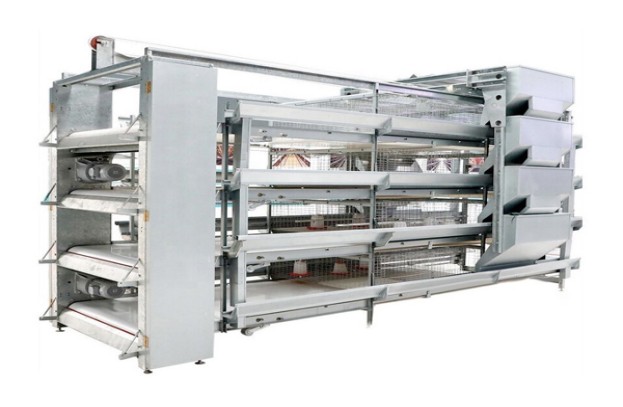
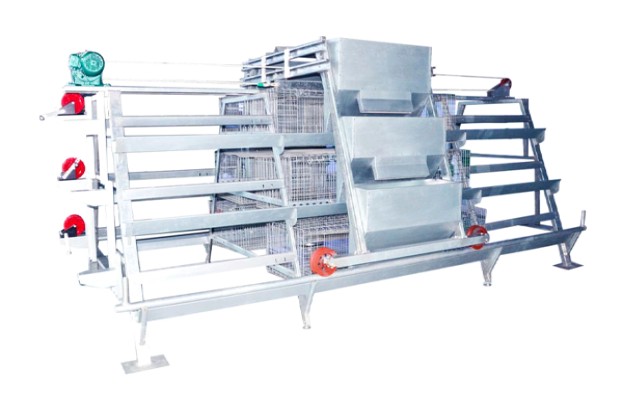
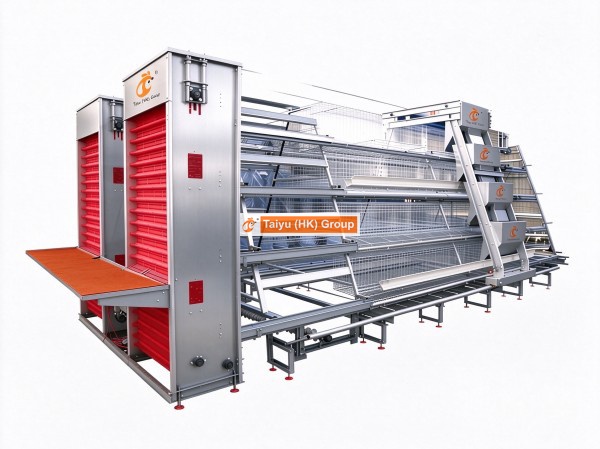
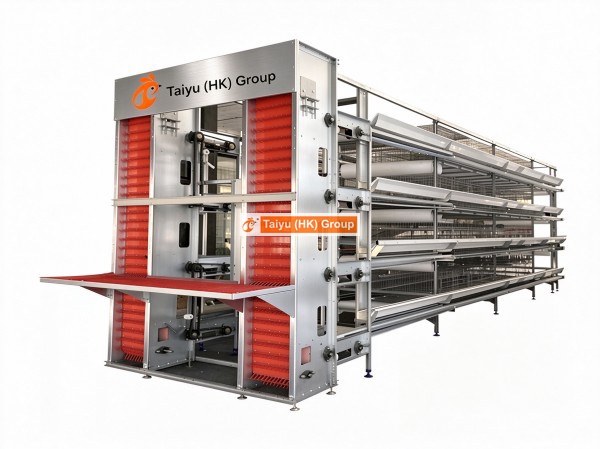
Which type of battery cages are you interested in?
Learn More About Southeast Asia
Learn More About Latin America
African poultry demand continues to expand, but traditional deep-litter and free-range systems often face feed waste, wet litter, disease exposure, labour-intensive egg collection and limited expansion space.
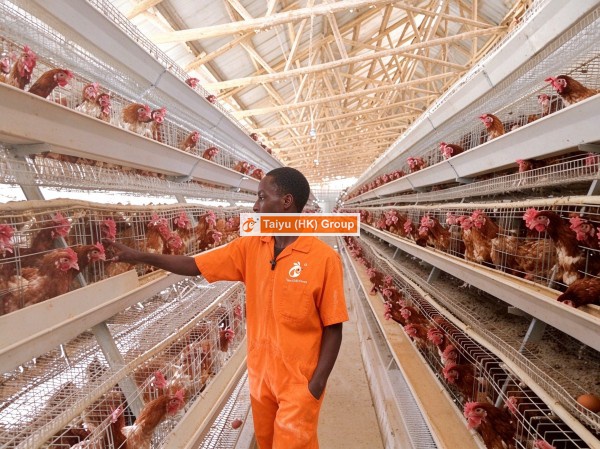
A modern advantage of battery cage system provides African producers with a more controlled method of layer production.
According to observations by the Taiyu Group (HK) sales and after-sales teams, this approach is especially suitable for land-constrained urban markets such as Lagos, Nairobi, Accra, Kampala, Dar es Salaam, Lusaka and Harare.
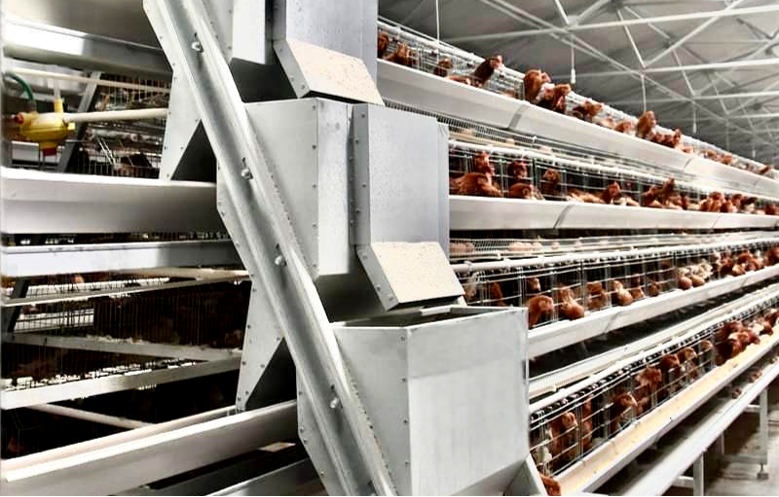
The core advantage of battery cage technology is that it combines greater stocking density with easier feeding, egg collection, manure removal and flock management.
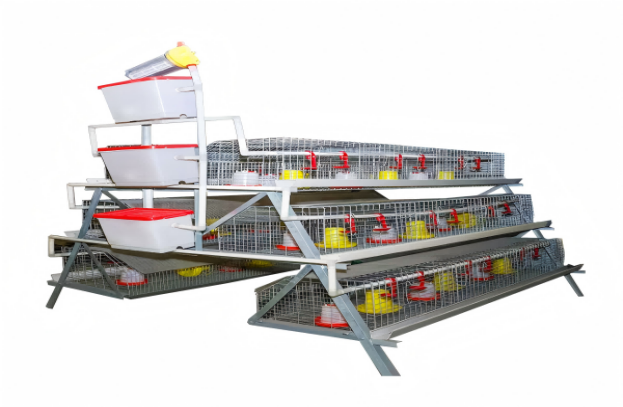
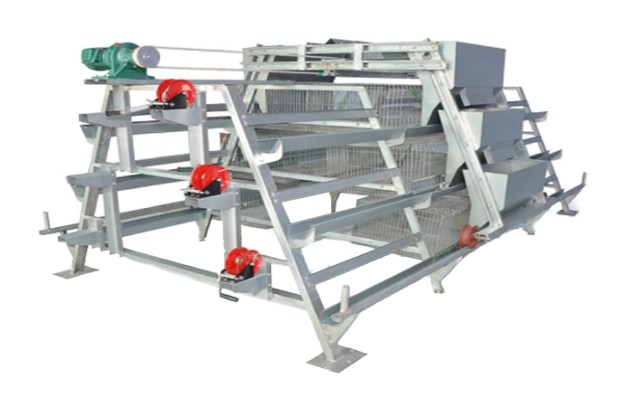
A typical 3-tier A-type installation can accommodate 120 birds per cage set, while a 4-tier H-type line can accommodate 128 birds per cage set under a properly designed ventilation plan.
Higher density: Multi-tier cage frames allow African farms to use vertical space rather than expanding horizontally.
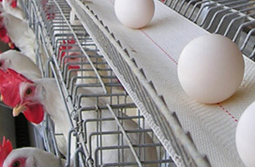
Cleaner eggs: Eggs roll away from manure, reducing contamination and breakage.
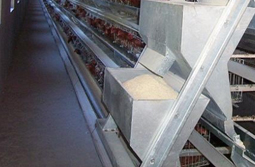
Lower feed waste: Positioned feeding troughs reduce spillage and contamination.
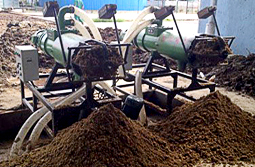
Easier disease control: Manure separation reduces bird contact with droppings and pathogens.
Better scalability: Producers can begin with 1,000 birds and expand modularly to more than 100,000 birds.
Clients: African traditional floor-rearing systems waste feed and birds easily become sick. Can a layer battery cage system really solve the problems faced by local farms?
Taiyu Group (HK): Yes. African climates require clean, manure-separated housing, especially in the humid coastal areas of Nigeria, Ghana, Tanzania and Mozambique, as well as hot inland markets such as Burkina Faso, Mali, Niger and Chad. Are you tired of feed scattered on the floor and repeated coccidiosis treatment?
The first advantage of battery cage systems in Africa is controlled output: more layers per square metre, cleaner eggs, reduced feed waste and easier flock management.
In Nigeria, Ghana, Kenya, Uganda, Tanzania, Zambia, Zimbabwe, South Africa, Egypt and Morocco, producers face different input costs and climatic conditions, but all need systems that make production more predictable.
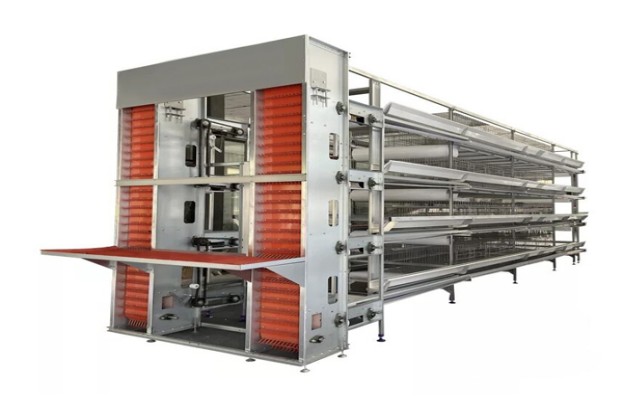
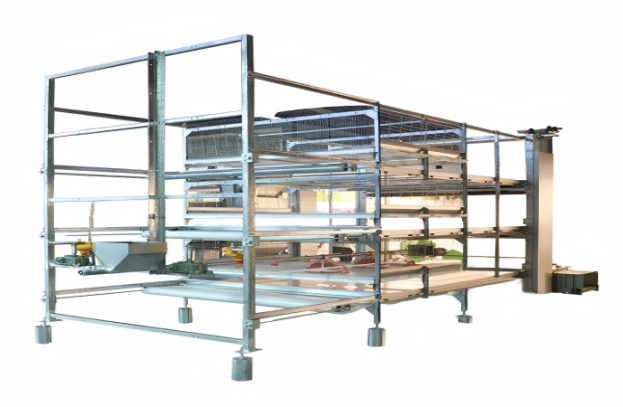
The second advantage of battery cage systems is adaptability: A-type cages suit naturally ventilated houses, while H-type systems suit larger commercial farms equipped with mechanical ventilation and automation.
The following data come from market research by the Taiyu Group (HK) sales team.
Data is for reference only. Swipe horizontally to view full table.
|
African Advantage |
Battery Cage System |
Deep Litter / Free Range |
Business Impact |
|
Land use |
3–16 tiers; 12–20 birds per m² |
5–6 birds per m² |
More birds per square metre |
|
Feed control |
65–75 mm trough depth; 3%–5% less spillage |
Feed scattered on litter |
Lower cost per egg |
|
Egg quality |
7–9 degree floor slope; 90–120 mm egg channel |
More dirty and broken eggs |
More saleable eggs |
|
Disease control |
Manure removed every 24–72 hours |
Litter and droppings remain in the house |
Reduced pathogen exposure |
|
Labour efficiency |
1 worker per 5,000–10,000 birds with semi-automation |
1 worker per 2,000–4,000 birds |
Lower labour cost per bird |
Advantage 1 — Higher density: More laying hens can be housed within the same building footprint.
Advantage 2 — Cleaner eggs: Eggs are separated from manure, improving saleable egg quality.
Advantage 3 — Better feed control: Positioned troughs reduce feed waste and support daily feeding records.
Advantage 4 — Easier expansion: A farm can upgrade from manual A-type cages to an automated H-type system.
Clients: How do I know the cage system can withstand Africa’s temperature, humidity and tropical climate?
Taiyu Group (HK): Hot-dip galvanised steel frames with a zinc coating of 275–550 g/m² are designed for humid coastal and tropical African conditions, including Nigeria, Ghana, Côte d’Ivoire, Cameroon, Tanzania, Mozambique and Madagascar.
Before selecting cages, confirm your local average humidity, maximum temperature, rainfall pattern and ventilation capacity.
The correct advantage of battery cage design must match the local climate rather than focus only on the lowest equipment price.
Data is based on more than 20 years of after-sales follow-up records collected by Taiyu Group (HK).
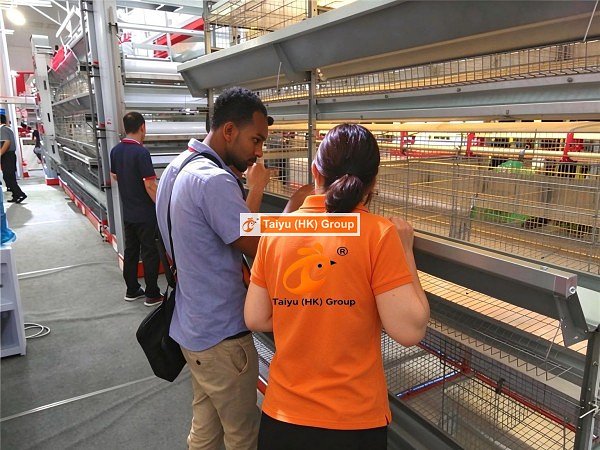
A major advantage of battery cage systems is space efficiency.
In fast-growing African cities such as Lagos, Nairobi, Accra, Abidjan, Dakar, Kampala, Dar es Salaam and Johannesburg, vertical cage systems allow farms to increase egg output without purchasing additional land.
Another advantage of battery cage layouts is that multi-tier configurations enable expansion without relocating the entire farm.
Data is for reference only. Swipe horizontally to view full table.
|
Housing System |
Typical Stocking Density |
Capacity In 1,000 m² |
Land Needed For 10,000 Layers |
Cage Tier Range |
|
Deep litter |
5–6 birds per m² |
About 5,000–6,000 birds |
About 1,700–2,000 m² |
Not applicable |
|
Battery cage |
12–20 birds per m² |
About 12,000–20,000 birds |
About 500–850 m² |
3–5 tiers |
|
Multi-tier H-type cage |
20–28 birds per m² under automation |
About 20,000–28,000 birds |
About 360–500 m² |
4–16 tiers |
Nigeria: Suitable for poultry projects in Lagos, Ibadan, Abeokuta and Kano, where land and logistics costs are rising.
Kenya: Suitable for peri-urban layer farms around Nairobi, Nakuru, Kisumu and Mombasa.
Ghana: Suitable for commercial egg producers around Accra, Kumasi and Tema.
South Africa: Suitable for regions where land, labour and electricity costs demand greater output per square metre.
Clients: Land prices in our area are rising quickly. In a 1,000-square-metre poultry house in Africa, how many more chickens can I keep?
Taiyu Group (HK): With deep litter, many African farms can house about 5,000–6,000 birds within 1,000 square metres.
With a properly ventilated multi-tier battery cage layout, the same house can usually accommodate 12,000–15,000 or more laying hens, depending on cage type, 0.8–1.2 m aisle width and environmental-control design.
This is an important advantage of battery cage systems for land-constrained farms in Nigeria, Kenya, Ghana, Uganda and South Africa.
Another critical advantage of battery cage systems is biosecurity.
During African rainy seasons, deep-litter houses can become wet, ammonia can rise and thorough disinfection becomes difficult, increasing exposure to coccidiosis, worms, respiratory disease and manure-borne pathogens.
By separating birds from droppings, battery cages make cleaning and disinfection easier to implement; related research also indicates that cage systems can reduce disease risk and produce cleaner eggs.
Data is for reference only. Swipe horizontally to view full table.
|
Risk Factor |
Deep Litter |
Battery Cage |
African Farm Benefit |
|
Manure contact |
Continuous contact with litter |
Manure removed every 24–72 hours |
Less parasite and pathogen exposure |
|
Wet litter |
Common above 70% relative humidity |
Droppings collected on belts or scrapers |
Easier cleaning in Ghana, Nigeria and Tanzania |
|
Coccidiosis risk |
Increases when litter moisture exceeds 25% |
Decreases when manure is removed promptly |
Lower treatment cost |
|
Cleaning and disinfection |
Requires full litter replacement |
Cage surfaces and belts can be washed |
Better biosecurity |
|
Mortality management |
Sick birds mix with the flock |
Individual cage positions support monitoring |
Faster response to problems |
Nigeria and Ghana: Rainy-season management is especially important in areas with 1,200–2,500 mm annual rainfall.
Kenya, Uganda and Tanzania: Where litter quality and disease pressure change seasonally, cage systems help maintain cleaner housing.
South Africa and Namibia: Even in drier climates, biosecurity around commercial supply chains remains essential.
Clients: Every rainy season, outbreaks such as coccidiosis affect African layer farms. Can cages contain this problem?
Taiyu Group (HK): In a battery cage, laying hens are separated from manure, while automatic manure belts or scraper systems remove droppings every 24–72 hours.
This does not replace vaccination, disinfection or dry-house management, but for farms in rainy-season regions such as Nigeria, Ghana, Côte d’Ivoire, Cameroon, Tanzania and Mozambique, it is an important advantage of battery cage systems.
Data is based on more than 20 years of after-sales follow-up records collected by Taiyu Group (HK).
The most financially valuable advantage of battery cage systems is feed control.
Because feed represents 65%–70% of poultry production cost, even a small reduction in waste can materially improve profit in African markets that depend on imported feed, including Nigeria, Ghana, Senegal, Kenya, Uganda, Zambia and Zimbabwe.
Another advantage of battery cage systems is cleaner egg collection: sloped cage floors separate eggs from manure and reduce breakage.
Data is for reference only. Swipe horizontally to view full table.
|
Performance Indicator |
Deep Litter / Floor Rearing |
Battery Cage System |
African Market Impact |
|
Feed waste |
5%–8% spillage and contamination |
2%–4% spillage with anti-waste trough edges |
More important when maize and soybean meal prices fluctuate |
|
Egg breakage |
3%–6% breakage |
1%–3% breakage with 7–9 degree floor slope |
More saleable eggs |
|
Dirty egg rate |
5%–10% dirty eggs |
1%–3% dirty eggs |
Better wholesaler acceptance |
|
Labour per egg |
More collection labour |
1 worker can collect 8,000–15,000 eggs daily with semi-automation |
Lower labour cost |
|
Feed conversion ratio |
2.4–2.8 kg feed per kg egg mass |
2.1–2.4 kg feed per kg egg mass |
Better profit under feed-price pressure |
Nigeria and Senegal: Maize-based feed costs make waste reduction a direct profit lever.
Kenya and Uganda: Feed and chick costs make feed efficiency especially important for smaller farms.
Zambia and Zimbabwe: Feed supply and price volatility make controlled feeding more valuable.
Clients: Feed prices in Africa are extremely expensive at present. How exactly does cage design save feed?
Taiyu Group (HK): Deep feeding troughs with 65–75 mm depth and anti-spillage edges keep feed inside the trough rather than on the floor.
Combined with a feed level of one-third to one-half trough capacity, measured daily feeding and clean drinking water, this is a practical advantage of battery cage systems for African farms facing maize and soybean meal price volatility.
For a 10,000-bird farm using 1.1 tonnes of feed daily, a 3% reduction in waste equals 33 kg per day; at US$0.45 per kg, annual savings reach about US$5,410. EU standard reference only.
The decisive advantage of battery cage systems is scalability.
Based on Taiyu Group (HK) experience configuring layer cage systems, African farms at 1,000, 10,000 and 100,000 birds should not use the same configuration; the correct solution depends on land, electricity, labour, capital and market demand.
Another advantage of battery cage systems is modular expansion: a farm can begin with manual A-type cages and upgrade to automated H-type systems as output grows.
Data is for reference only. Swipe horizontally to view full table.
|
Farm Scale |
African Buyer Priorities |
Recommended System |
Labour And Management Focus |
Daily Egg Output |
|
1,000–2,000 layers |
Low initial investment, simple operation |
Manual or semi-automatic A-type cages |
One part-time worker can manage daily work |
800–1,700 eggs |
|
5,000–10,000 layers |
Lower labour, controlled feed waste |
Semi-automatic feeding, automatic drinking, mechanical manure removal |
Two workers can manage daily operations |
4,100–8,500 eggs |
|
20,000–50,000 layers |
Automation, ventilation, stable output |
H-type cages, automatic egg collection, fan ventilation |
3–5 workers depending on automation level |
16,500–42,500 eggs |
|
50,000–100,000+ layers |
Industrial-scale output, biosecurity, return on investment |
Fully automatic H-type system, climate control, centralised egg collection |
Centralised management and preventive maintenance |
41,500–85,000+ eggs |
1,000–2,000 birds: Best for new producers in Kenya, Uganda, Tanzania, Zambia and Zimbabwe who need a low-risk start.
5,000–10,000 birds: Suitable for growing farms in Nigeria, Ghana, Côte d’Ivoire, Cameroon and Senegal.
20,000–50,000 birds: Best for commercial projects around Lagos, Accra, Nairobi, Lusaka and Johannesburg.
100,000+ birds: Requires industrial planning for electricity, ventilation, manure treatment, logistics and biosecurity.
Clients: I want to expand my farm in Nigeria from 2,000 to 20,000 laying hens. Will labour management become a nightmare?
Taiyu Group (HK): Not if the project is designed in stages. At 2,000 birds, A-type cages with manual egg collection may be sufficient.
At 20,000 birds, automatic drinking, mechanical manure removal and semi-automatic egg collection can reduce daily labour from about 5–10 worker-hours to 3–5 worker-hours.
This staged approach is an important advantage of battery cage systems for farms in Nigeria, Ghana, Kenya and Zambia that need growth without over-investing too early.
Another practical advantage of battery cage systems is that African producers can choose between A-type and H-type configurations according to house design, electricity reliability and expansion plans.
A-type cages are generally easier to install and manage in naturally ventilated houses; H-type cages suit commercial projects that can support ventilation, automation and maintenance.
Therefore, the correct advantage of battery cage choice is not the most expensive cage, but the configuration best matched to local conditions.
Data is for reference only. Swipe horizontally to view full table.
|
Factor |
A-Type Battery Cage |
H-Type Battery Cage |
|
Suitable scale |
1,000–20,000 layers |
20,000–100,000+ layers |
|
African house type |
Open-sided or naturally ventilated |
Closed or mechanically ventilated |
|
Electricity requirement |
1.5–3 kW per 10,000 birds |
5–12 kW per 10,000 birds |
|
Labour requirement |
1 worker per 3,000–5,000 birds |
1 worker per 8,000–15,000 birds after automation |
|
Cage tiers |
3–5 tiers |
4–16 tiers |
|
Suitable markets |
Kenya, Uganda, Tanzania, Zambia, Zimbabwe |
Nigeria, Ghana, South Africa, Egypt, Morocco |
|
Main risk |
Labour efficiency and expansion limits |
Power outages, maintenance and investment threshold |
Clients: For my farm in Ghana or Kenya, should I choose A-type or H-type cages?
Taiyu Group (HK): If you have a naturally ventilated house, limited electricity reliability and a first-stage scale below 20,000 birds, choose A-type.
If you plan to keep more than 20,000 birds, have reliable ventilation and backup power, and need to reduce labour cost per bird, choose H-type.
Matching cage type to local conditions is the key to effective advantage of battery cage system design.
Data is based on more than 20 years of after-sales follow-up records collected by Taiyu Group (HK).
Data is for reference only. Swipe horizontally to view full table.
|
Question |
Key Answer |
|
What is the main advantage of battery cage systems in Africa? |
Greater density, cleaner eggs, reduced feed waste and easier management. |
|
How many layers can a battery cage system hold in Nigeria? |
It depends on house size, cage type, ventilation and automation level. |
|
Is a battery cage better than deep litter in Ghana? |
It offers advantages in land efficiency, egg quality and scalability, but requires greater initial investment. |
|
Are battery cages suitable for Kenya’s climate? |
Yes, provided they use correct ventilation, corrosion-resistant materials and local maintenance. |
|
What happens during power cuts in South Africa? |
Fans, water supply and egg-collection systems need backup power. |
|
Which cage suits 10,000 layers in Africa? |
A-type cages cost less; H-type cages offer advantages in automation and density. |
|
Can battery cages reduce coccidiosis? |
They reduce bird contact with manure but do not replace biosecurity measures. |
|
Are battery cages suitable for small African farms? |
Yes, especially modular A-type systems. |
1. Global Service Network
Headquartered in Hong Kong, with branches and factories in China, Vietnam, Thailand, Nigeria, Kenya, Ethiopia, and Tanzania, providing more localized project and after-sales support.
2. International Quality Standards
Strict quality control and double inspections. Certifications and export documents include CE, SGS, ISO 9001, CCVO, PVOC, SONCAP, COC, ECTN, FORM A/F/M, and more.
3. One-to-One VIP Service
Dedicated account managers provide customized farm designs, equipment configurations, and quotations for projects ranging from 500 to 100,000+ birds per house.
4. Lifetime After-Sales Service
Installation guidance, equipment commissioning, operator training, remote technical support, spare parts supply, and ongoing maintenance.
Headquarters And Branchs
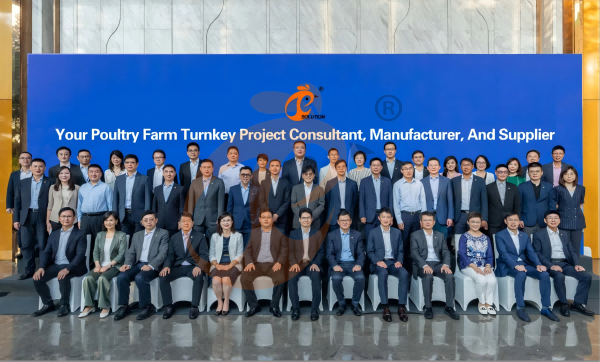
Hong Kong Headquarter Management Team
Hong Kong Headquarter Taiyu Industrial Group CO., LTD
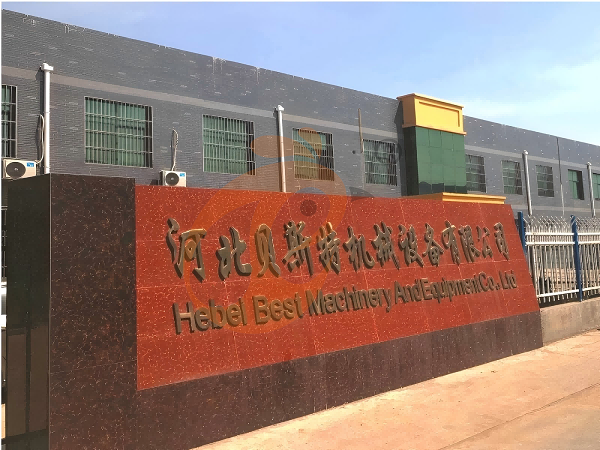
China Hebei Best Machinery And Equipment CO., LTD
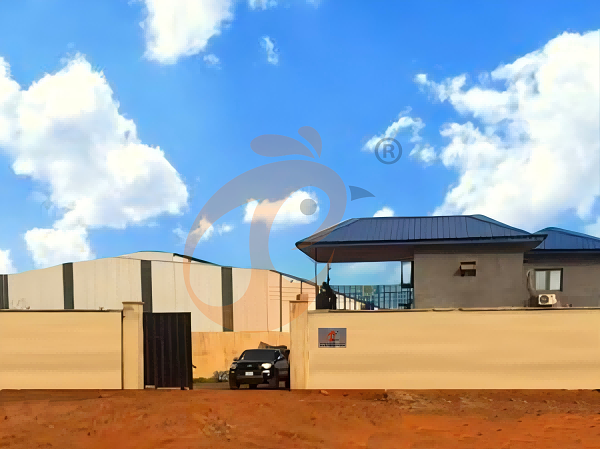
Nigeria Vanke Machinery And Equipment CO., LTD
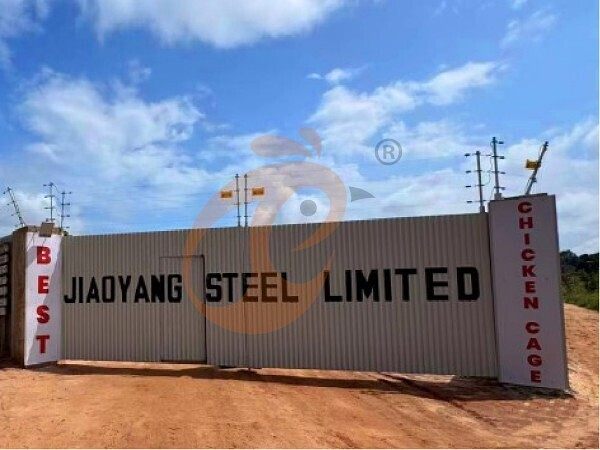
Tanzania Best Machinery And Equipment CO., LTD
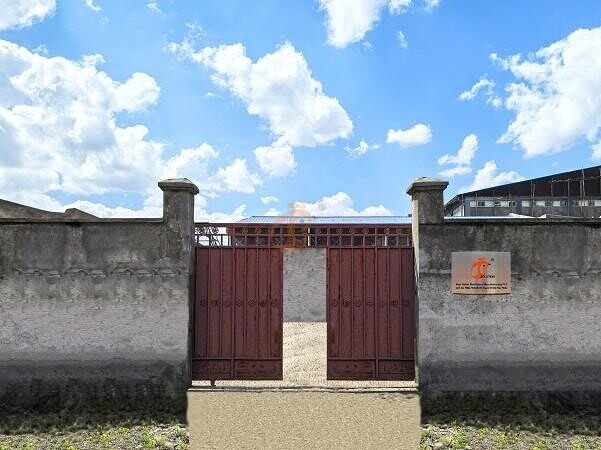
Ethiopia Best Hebei Machinery Manufacturing PLC
Reception /24 WhatsApp NO. : +8618830120193
SEND YOUR MESSAGE TO US
(* We will reply your inquiry to this Email as soon as we see it.)RECENT BOLGS
CONTACT US
HOT PRODUCTS