E-mail:sales@bestchickencage.com
E-mail:sales@bestchickencage.com


For layer farmers across Southeast Asia, the main advantage of battery cage systems is controlled management: higher stocking density, cleaner eggs, reduced feed waste, easier disease monitoring and scalable expansion.
FAO identifies feed as the most important variable cost in poultry production, typically representing 65%–70% of total costs.
Southeast Asia is not one single poultry market. Vietnam, Indonesia, Thailand, the Philippines, Malaysia, Myanmar, Cambodia, Laos, Singapore and Brunei face different combinations of heat, humidity, monsoon rainfall, disease pressure, land scarcity and rising labour costs.
Vietnam and Thailand: Summer temperatures above 32°C and monsoon humidity make tunnel ventilation, evaporative cooling and dry-manure management essential.
Indonesia and the Philippines: Coastal humidity above 80% RH, island logistics and disease pressure require hot-dip galvanised equipment and strong biosecurity.
Malaysia and Singapore: Limited land and rising labour costs make 4-tier to 8-tier automated housing more practical.
Myanmar, Cambodia and Laos: Growing commercial farms need modular systems that can expand from 1,000 to 20,000 birds in stages.
Brunei: Annual humidity commonly above 80% RH and limited land make controlled, hygienic housing particularly valuable.
Want to learn types chicken battery cage for your poultry farm?
Learn More About Southeast Asia
Learn More About Latin America
The first advantage of chicken battery cage systems is that they turn poultry farming into a more controllable production system.
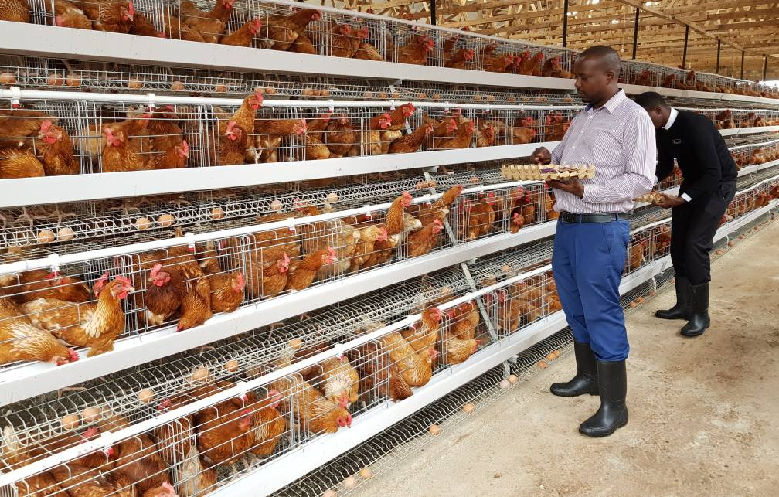
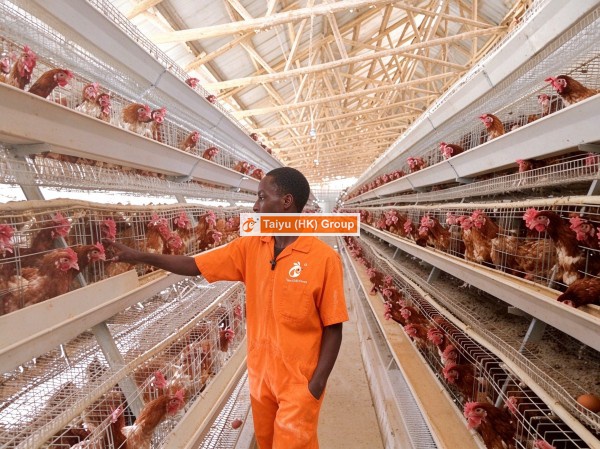
Farms in Vietnam, Indonesia, Thailand, the Philippines, Malaysia, Myanmar, Cambodia, Laos, Singapore and Brunei can integrate feeding, drinking, egg collection, manure removal and flock observation into one organised layout.
This matters especially in tropical climates, where open-sided housing can expose birds to 30–38°C temperatures, 75–90% RH humidity, dust and disease pressure.
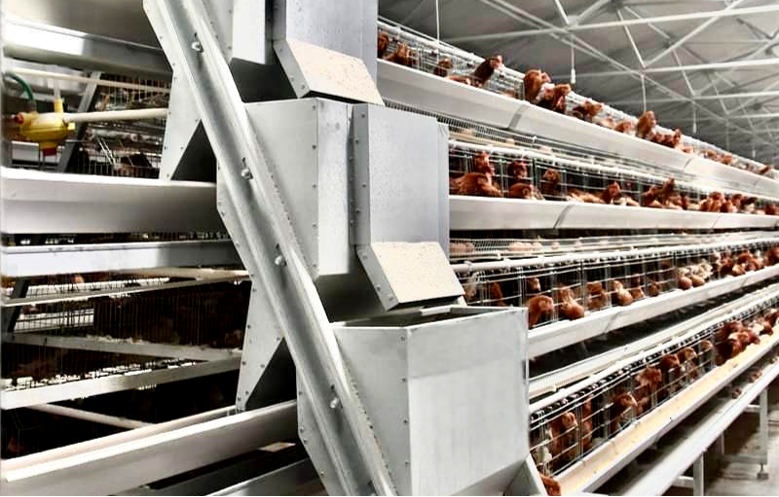
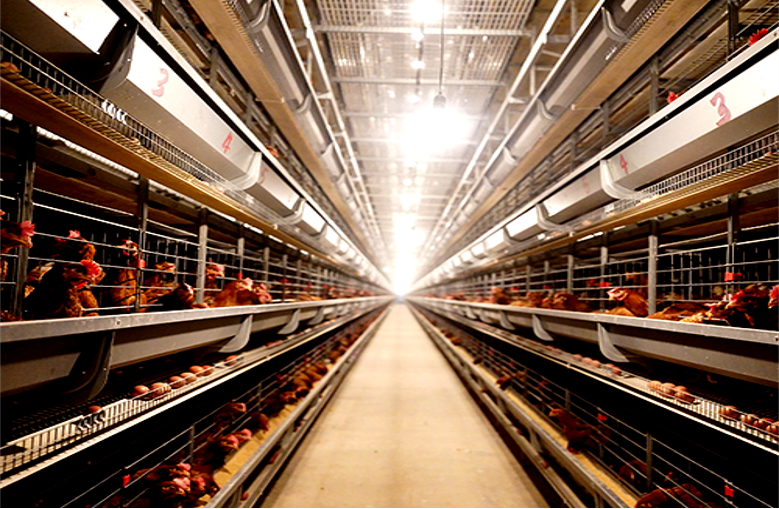
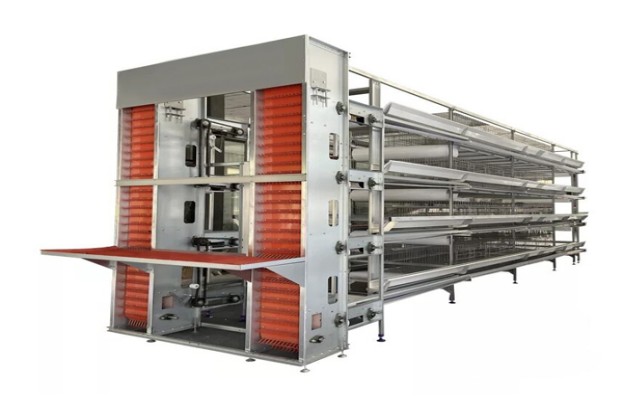
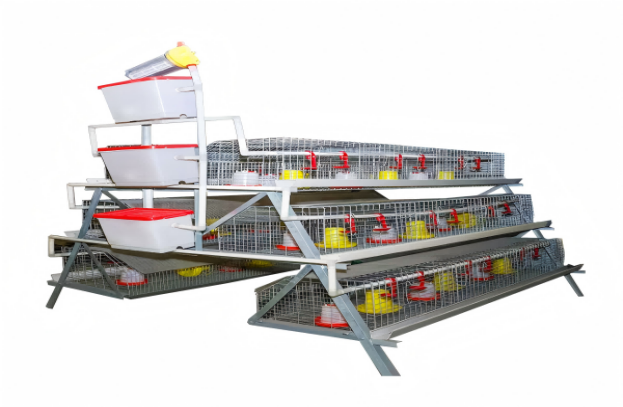
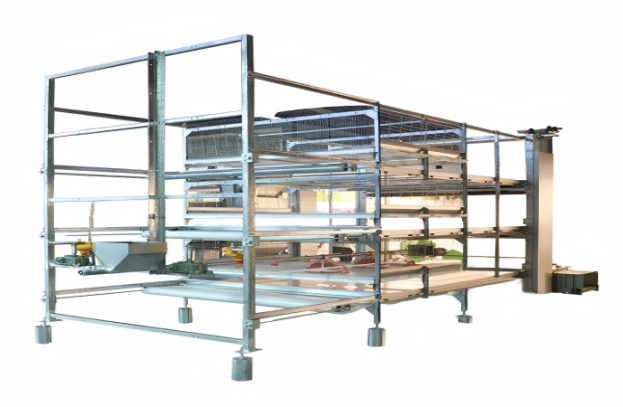
Higher density: A 4-tier A-type cage can house 160 layers per cage set, while an 8-tier H-type system can accommodate 256 layers per cage set.
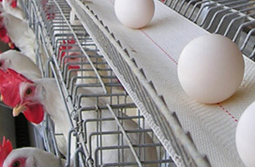
Cleaner eggs: A 7–9° cage-floor slope moves eggs into a collection trough within 15–30 seconds, reducing contact with droppings.
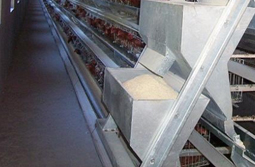
Lower feed waste: A 55–75 mm deep feed trough with a 15–25 mm anti-spillage lip reduces feed spillage during daily feeding.
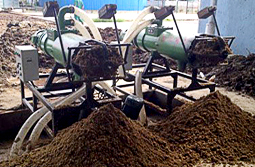
Easier disease control: Manure belts operating once or twice daily remove droppings before accumulation reaches 2–4 kg per m² of belt area.
Easier expansion: A farm can begin with 1,000 birds in 10–14 cage rows and expand modularly beyond 100,000 birds.
Data is for reference only. Swipe horizontally to view full table.
|
Southeast Asian Advantage |
Chicken Battery Cage System |
Business Impact |
|
Land Use |
3–5-tier A-type or 4–16-tier H-type vertical housing |
120–512 birds per cage set, depending on configuration |
|
Feed Control |
55–75 mm deep troughs with 15–25 mm anti-spillage lip |
Easier daily feed records |
|
Egg Quality |
7–9° sloped floor and 90–120 mm collection trough |
Cleaner saleable eggs |
|
Disease Control |
Manure belts remove droppings 1–2 times daily |
Easier cleaning and disinfection |
|
Labour Efficiency |
Centralised egg collection at 3,000–8,000 eggs per hour |
Less repetitive daily work |
Advantage 1 — Higher density: More layers can be housed within the same building footprint.
Advantage 2 — Cleaner eggs: Eggs are separated from manure, improving saleable quality.
Advantage 3 — Better feed control: Positioned troughs reduce feed waste and support daily feed records.
Advantage 4 — Easier expansion: Farms can upgrade from manual A-type cages to automated H-type systems.
Clients: In rainy Southeast Asia, traditional floor rearing can lead to wet litter and sick birds. Can chicken battery cage systems cope with this tropical humidity environment?
Taiyu Group (HK): Yes. Tropical climates require immediate manure separation, 1.5–2.5 m³ per minute per kg live body weight of emergency airflow and hot-dip galvanised equipment with at least 275 g/m² zinc coating.
This is especially important in Vietnam, Indonesia, the Philippines, Thailand, Malaysia, Myanmar, Cambodia, Laos, Singapore and Brunei.
Are you losing egg production because of 75–90% RH humidity stress during the rainy season?
Data is based on more than 20 years of after-sales follow-up records collected by Taiyu Group (HK).
The second advantage of chicken battery cage systems is that daily management becomes more predictable.
In Vietnam, Indonesia, Thailand, the Philippines, Malaysia, Myanmar, Cambodia, Laos, Singapore and Brunei, farmers need systems that make feeding, egg collection, manure removal and flock observation easier to organise.
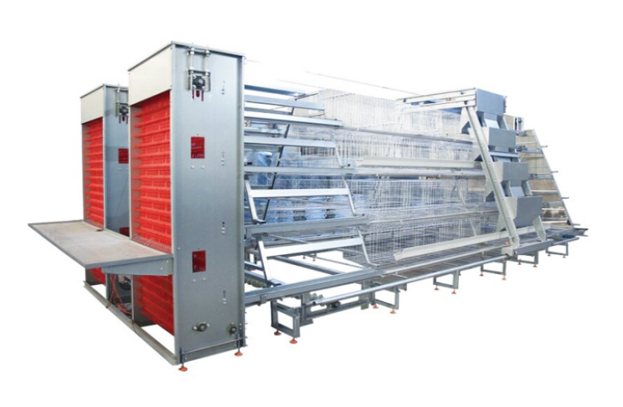
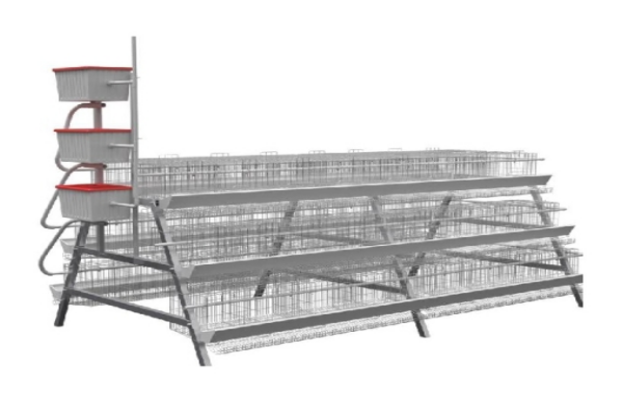
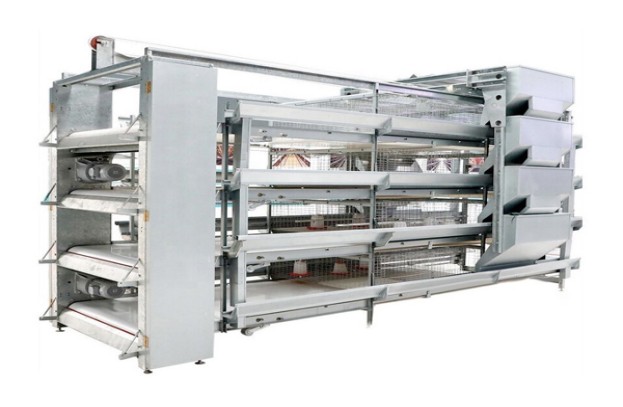
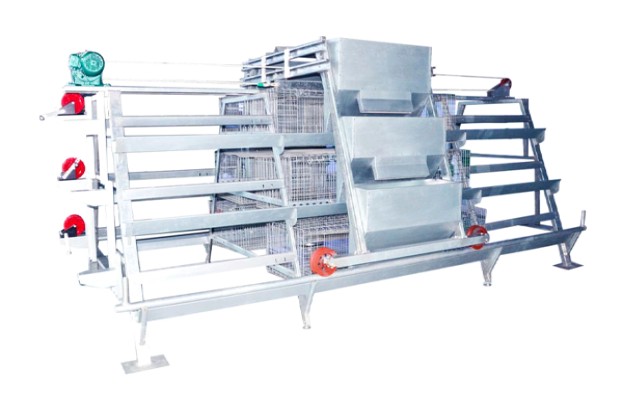
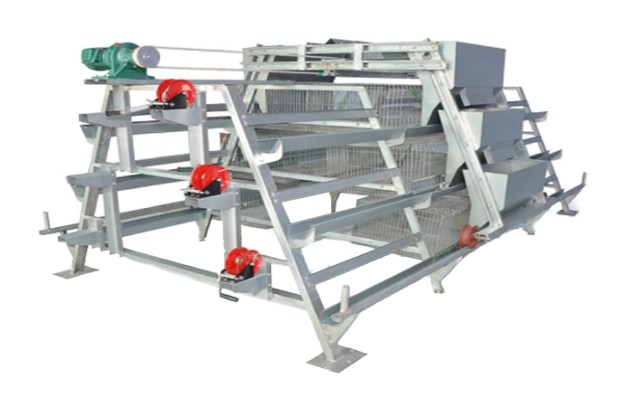
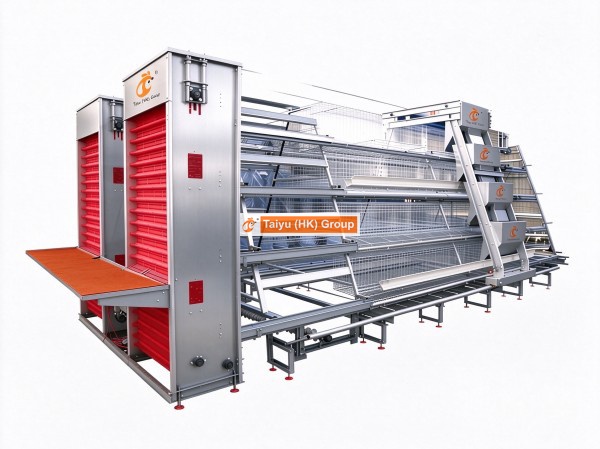
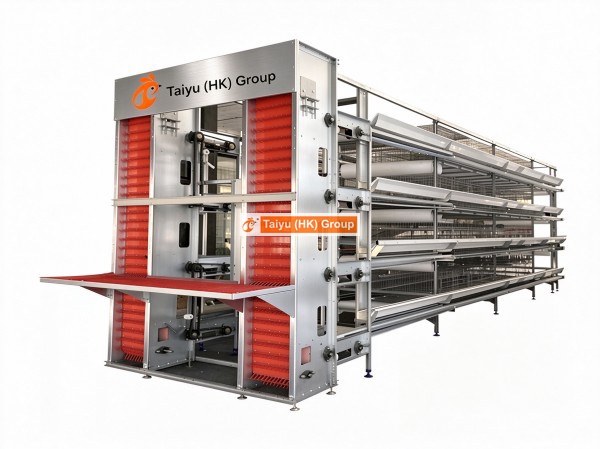
Another advantage of chicken battery cage systems is adaptability: A-type cages suit naturally ventilated houses with 1.8–2.2 m side-wall openings, while H-type systems suit larger commercial farms equipped with mechanical ventilation and automation.
Data is for reference only. Swipe horizontally to view full table.
|
Southeast Asian Advantage |
Chicken Battery Cage System |
Business Impact |
|
Land Use |
3–5-tier A-type or 4–16-tier H-type cage frames |
120–512 birds per cage set, depending on configuration |
|
Feed Control |
55–75 mm deep troughs and 15–25 mm anti-spillage lip |
Easier daily feed records |
|
Egg Quality |
7–9° sloped floor and 90–120 mm egg trough |
Cleaner saleable eggs |
|
Disease Control |
Birds separated from manure by 20–40 mm wire-mesh floors |
Easier cleaning and disinfection |
|
Labour Efficiency |
Egg collection capacity of 3,000–8,000 eggs per hour |
Less repetitive daily work |
Advantage 1 — Higher density: More layers can be housed within the same building footprint.
Advantage 2 — Cleaner eggs: Eggs are separated from manure, improving saleable quality.
Advantage 3 — Better feed control: Positioned troughs reduce feed waste and support daily feed records.
Advantage 4 — Easier expansion: Farms can upgrade from manual A-type cages to automated H-type systems.
Clients: How can I know that chicken battery cages can withstand Southeast Asian heat, humidity, monsoon rainfall and salty coastal air?
Taiyu Group (HK): Hot-dip galvanised steel frames with 275–550 g/m² zinc coating are designed for humid coastal and tropical climates in Vietnam, Indonesia, the Philippines, Thailand, Malaysia, Myanmar, Cambodia, Laos, Singapore and Brunei. Before selecting a cage system, confirm local average humidity, maximum temperature, rainfall patterns and ventilation capacity.
Correct advantage of battery cage design must match local climate conditions.
Data is based on more than 20 years of after-sales follow-up records collected by Taiyu Group (HK).
The third advantage of chicken battery cage systems is better management of temperature and humidity.
In Vietnam, Thailand, Indonesia, the Philippines, Malaysia, Myanmar, Cambodia, Laos, Singapore and Brunei, temperatures above 30°C and relative humidity above 70% RH can reduce feed intake, weaken immunity and lower egg production.
FAO notes that temperatures above 30°C reduce consumption, while humidity at elevated temperatures makes body cooling through respiration less effective.
Data is for reference only. Swipe horizontal to view full table.
|
Climate Challenge |
Risk In Open-Sided Housing |
Chicken Battery Cage Solution |
Southeast Asian Farm Benefit |
|
32–38°C temperature |
Heat build-up and 10–20% feed-intake reduction |
Tunnel ventilation at 2.0–3.0 m/s air velocity and cooling pads |
More stable laying conditions |
|
75–90% RH humidity |
Wet litter, ammonia and disease risk |
Manure belts removing droppings 1–2 times daily |
Drier, cleaner housing |
|
1,500–3,000 mm annual monsoon rainfall |
Water ingress and wet floors |
Cage frames elevated 300–600 mm above floor level |
Less litter and manure management pressure |
|
4–12 hour power interruption |
Fans and cooling systems stop |
48–72 hour backup generator capacity |
Lower heat-stress risk |
Vietnam and Thailand: Prioritise tunnel ventilation delivering 2.0–3.0 m/s air velocity, 50–70 mm cooling pads and shaded roofing during 32–38°C periods.
Indonesia and the Philippines: Use hot-dip galvanised components with 275–550 g/m² zinc coating, drainage slopes of 1–2% and humidity monitoring at 75–90% RH.
Malaysia and Singapore: Plan 4-tier to 8-tier H-type layouts with 1.2–1.5 m centre aisles, 2.0–3.0 m/s airflow and automated temperature sensors every 20–30 m.
Myanmar, Cambodia and Laos: Design modular houses that can expand from 5,000 to 50,000 birds as grid power and infrastructure improve.
Clients: Summer heat stress in Thailand and Vietnam has reduced my laying rate. How can chicken battery cage systems help?
Taiyu Group (HK): Tiered cage spacing of 1.0–1.5 m between rows improves airflow around birds; tunnel ventilation at 2.0–3.0 m/s, 50–70 mm cooling pads, shaded roofing and drinking water at 18–25°C help manage heat stress.
The key to advantage of battery cage design is combining cage layout with climate control, rather than installing cages without ventilation.
The fourth advantage of chicken battery cage systems is improved biosecurity. In the rainy seasons of Vietnam, Indonesia, the Philippines, Thailand, Malaysia, Myanmar, Cambodia, Laos, Singapore and Brunei, litter moisture above 25–30% and accumulated manure can increase exposure to coccidiosis, worms, respiratory disease and droppings-borne pathogens. Chicken battery cage systems separate birds from manure, making cleaning, disinfection and flock monitoring more practical.
Data is for reference only. Swipe horizontally to view full table.
|
Risk Factor |
Open-Sided / Deep-Litter Housing |
Chicken Battery Cage System |
Southeast Asian Farm Benefit |
|
Droppings contact |
Litter moisture of 25–30% or more |
Manure belts remove droppings 1–2 times daily |
Less parasite and pathogen exposure |
|
Wet litter |
Common during 1,500–3,000 mm annual monsoon rainfall |
Manure is separated from birds by 20–40 mm mesh floors |
Easier cleaning in Vietnam, Indonesia and the Philippines |
|
Coccidiosis risk |
Increases when litter moisture exceeds 25–30% |
Decreases when manure is removed every 12–24 hours |
Lower treatment pressure |
|
Cleaning and disinfection |
Requires full litter removal every 6–12 months |
Allows cage washing at 150–250 bar water pressure |
Better biosecurity |
|
Disease monitoring |
Harder to isolate sick birds |
Enables cage-level observation of 120–512 birds per cage set, depending on configuration |
Faster response to problems |
Vietnam and the Philippines: Rainy-season manure management every 12–24 hours is essential for reducing flies, odour and bacterial risk.
Indonesia, Malaysia and Thailand: Biosecurity plans should include disinfection at 200–300 ppm available chlorine, visitor control and disease monitoring.
Myanmar, Cambodia and Laos: Modular cage layouts can support gradual improvements in hygiene and flock records across 1,000–20,000 bird stages.
Singapore and Brunei: Compact systems with 4-tier to 8-tier cages are especially useful where land availability and biosecurity requirements are strict.
Clients: Wet manure during the Philippine rainy season causes serious fly and bacterial problems. How do chicken battery cages maintain hygiene?
Taiyu Group (HK): In a chicken battery cage system, layers are separated from manure, while manure belts operating every 12–24 hours remove droppings before accumulation reaches 2–4 kg per m².
This does not replace vaccination, disinfection at 200–300 ppm available chlorine or dry-house management, but it is an important advantage of battery cage systems for farms in rainy regions such as Vietnam, Indonesia, the Philippines, Thailand, Malaysia, Myanmar, Cambodia, Laos, Singapore and Brunei.
Data is based on more than 20 years of after-sales follow-up records collected by Taiyu Group (HK).
The fifth advantage of chicken battery cage systems is better feed control and cleaner eggs. Because feed is a major variable cost in poultry production, farms in Vietnam, Indonesia, Thailand, the Philippines, Malaysia, Myanmar, Cambodia, Laos, Singapore and Brunei need systems that reduce feed scattering, contamination and mould risk.
FAO notes that feed contamination, especially mycotoxins, is a major concern in hot and humid conditions.
Data is for reference only. Swipe horizontally to view full table.
|
Performance Area |
Open Floor / Deep Litter |
Chicken Battery Cage System |
Southeast Asian Market Impact |
|
Feed Waste |
3–6% feed loss from scattering |
1–2% feed loss with 55–75 mm troughs and 15–25 mm anti-spillage lip |
Important where feed ingredients are imported or volatile |
|
Mould Risk |
Increases above 70% RH and 25°C storage temperature |
Faster feed turnover and trough cleaning every 3–7 days |
Better feed hygiene in tropical climates |
|
Egg Breakage |
2–5% breakage from trampling |
0.5–1.5% breakage with 7–9° sloped floors |
More saleable eggs |
|
Dirty Eggs |
3–8% dirty eggs from litter contact |
0.5–2% dirty eggs as eggs roll into 90–120 mm troughs |
Better acceptance by wholesalers |
|
Labour Per Egg |
1 worker collects 2,000–4,000 eggs per hour manually |
1 worker manages 3,000–8,000 eggs per hour with collection belts |
Lower labour pressure |
Vietnam and Thailand: Use measured feeding of 105–120 g per hen per day, clean troughs every 3–7 days and dry feed storage below 65% RH to reduce mould and waste.
Indonesia and the Philippines: Prioritise hot-dip galvanised troughs with 275–550 g/m² zinc coating, water lines delivering 60–90 mL per hen per minute and feed-quality checks every 7–14 days.
Malaysia, Singapore and Brunei: Compact feeding systems with 55–75 mm troughs support precise feeding where land is limited.
Myanmar, Cambodia and Laos: Modular feeding lines can expand from 1,000 to 50,000 birds as production grows.
For example, a farm purchasing 100 tonnes of layer feed per month at US$450 per tonne spends US$45,000 monthly on feed; reducing avoidable feed loss from 4% to 2% saves US$900 per month, or US$10,800 per year.
EU standard reference only.
Clients: Feed in humid Southeast Asia moulds quickly, and manual egg collection causes too much breakage. How can chicken battery cage systems solve both problems?
Taiyu Group (HK): Deep troughs with 55–75 mm depth and 15–25 mm anti-spillage edges keep feed inside the trough; storage below 65% RH and cleaning every 3–7 days reduce mould risk.
Sloped cage floors at 7–9° deliver eggs to 90–120 mm collection troughs, reducing contact with manure and keeping breakage within 0.5–1.5%.
This is a practical advantage of battery cage systems for tropical farms in Vietnam, Indonesia, the Philippines, Thailand, Malaysia, Myanmar, Cambodia, Laos, Singapore and Brunei.
The sixth advantage of chicken battery cage systems is scalable farm design.
Southeast Asian farms operating at 1,000, 10,000 and 100,000 birds should not use the same configuration; the correct solution depends on land, electricity, labour, capital and market demand.
Chicken battery cage systems can begin with manual A-type cages and upgrade to automated H-type systems as production grows.
Data is for reference only. Swipe horizontally to view full table.
|
Farm Scale |
Southeast Asian Buyer Priority |
Recommended System |
Labour And Management Focus |
|
1,000–5,000 layers |
Simple operation and 2-row cage layout |
A-type semi-automatic cage with 120–200 birds per cage set |
One part-time worker manages 2–4 hours of daily tasks |
|
5,000–10,000 layers |
Reduce labour and control feed waste |
Semi-automatic feeding, automatic drinkers at 60–90 mL per hen per minute, mechanical manure removal |
Two workers manage routine operations |
|
20,000–50,000 layers |
Automation, ventilation and stable output |
H-type cage, automatic egg collection at 3,000–8,000 eggs per hour, fan ventilation at 2.0–3.0 m/s |
Three to five workers, depending on automation |
|
50,000–100,000+ layers |
Industrial-scale output and biosecurity |
Fully automatic H-type system, climate control, central egg collection |
Centralised management and preventive maintenance every 30–90 days |
1,000–2,000 birds: Suitable for new farmers in Vietnam, Indonesia, the Philippines, Thailand, Malaysia, Myanmar, Cambodia and Laos who need a 1–2 row start.
5,000–10,000 birds: Suitable for growing farms in Vietnam, Indonesia, Thailand, the Philippines and Malaysia that need 2–4 workers.
20,000–50,000 birds: Suitable for commercial projects around Ho Chi Minh City, Jakarta, Bangkok, Manila, Kuala Lumpur and Yangon that need 3–5 workers.
100,000+ birds: Requires industrial planning for 2.0–3.0 m/s ventilation, manure treatment, logistics and biosecurity.
Clients: I want to expand my farm in Vietnam from 2,000 to 20,000 layers. Will labour management become difficult?
Taiyu Group (HK): Not if the project is designed in stages. At 2,000 birds, A-type cages with manual egg collection may be sufficient; at 20,000 birds, automatic drinking at 60–90 mL per hen per minute, mechanical manure removal every 12–24 hours and semi-automatic egg collection at 3,000–8,000 eggs per hour can reduce daily labour.
This phased approach is an important advantage of battery cage systems for farms in Vietnam, Indonesia, Thailand, the Philippines, Malaysia, Myanmar, Cambodia and Laos that need to grow step by step.
The seventh advantage of chicken battery cage systems is flexible cage configuration. Southeast Asian farmers can choose A-type or H-type layouts according to house design, power reliability and expansion plans. A-type cages are generally easier to install and manage in naturally ventilated houses with 1.8–2.2 m side-wall openings; H-type cages suit high-density commercial projects that can support 2.0–3.0 m/s ventilation, automation and maintenance.
Data is for reference only. Swipe horizontally to view full table.
|
Factor |
A-Type Chicken Battery Cage |
H-Type Chicken Battery Cage |
|
Best Farm Size |
1,000–20,000 layers |
20,000–100,000+ layers |
|
Southeast Asian Shed Type |
Open-sided or naturally ventilated with 1.8–2.2 m side-wall openings |
Closed or mechanically ventilated with 2.0–3.0 m/s airflow |
|
Power Requirement |
3–7 kW for basic feeding and drinking |
15–40 kW for fans, belts and automation |
|
Labour Requirement |
1–3 workers for 1,000–20,000 birds |
3–5 workers for 20,000–100,000+ birds |
|
Best Markets |
Vietnam, Indonesia, the Philippines, Myanmar, Cambodia, Laos |
Thailand, Malaysia, Singapore, Brunei, Vietnam, Indonesia |
|
Main Consideration |
Labour efficiency and expansion limits |
Power reliability, maintenance and ventilation |
A-type cages: Suitable for naturally ventilated houses, 1,000–20,000 bird farms and gradual expansion in 1,000–5,000 bird stages.
H-type cages: Suitable for 20,000–100,000+ bird commercial farms with 2.0–3.0 m/s ventilation and automation.
32–38°C climates: Both systems require 2.0–3.0 m/s airflow, 50–70 mm cooling pads and emergency ventilation.
Power reliability: Automation should match 3–40 kW local electricity conditions and 48–72 hour backup capacity.
Expansion planning: Cage layouts should reserve 1.2–1.5 m walkways, 300–600 mm manure-pit clearance and future capacity space.
Clients: For a farm in Vietnam or Indonesia, should I choose A-type or H-type chicken battery cages?
Taiyu Group (HK): If you have a naturally ventilated house with 1.8–2.2 m side-wall openings, limited power reliability and a first-stage flock below 20,000 birds, choose A-type.
If you plan to keep 20,000–100,000+ birds, have 2.0–3.0 m/s ventilation and 48–72 hour backup power, and need to reduce labour per bird, choose H-type.
Matching cage type to local conditions is the key to advantage of battery cage system design.
Poultry housing should match flock size, climate, capital and market requirements.
Floor rearing, cage rearing and free-range systems each require different buildings, equipment and daily management routines.
Data is for reference only. Swipe horizontally to view full table.
|
Rearing System |
Typical Housing |
Main Equipment |
Management Requirement |
|
Floor Rearing |
Open-sided or closed house with 12–15 cm litter depth |
Feeders, drinkers, fans, litter |
Litter must remain below 25–30% moisture; manure and litter require removal every 6–12 months |
|
Cage Rearing |
Multi-tier A-type or H-type cage house with 3–16 tiers, depending on configuration |
Cages, 55–75 mm feed troughs, nipple drinkers, egg belts, manure belts |
Requires 2.0–3.0 m/s ventilation, cleaning every 3–7 days and equipment maintenance every 30–90 days |
|
Free-Range |
Shelter plus 2–4 m² outdoor range per bird |
Mobile shelters, fencing, feeders, drinkers |
Outdoor area needs rotation every 30–60 days, predator protection and parasite monitoring |
For a 10,000-bird floor-rearing layer house, a practical target is 6–8 birds per m² of usable floor area, 12–15 cm of dry litter depth and at least 2.5–3.0 cm of feeder space per bird.
Cage rearing uses 3–5-tier A-type or 4–16-tier H-type vertical frames to increase birds per building footprint, while free-range systems require 2–4 m² outdoor area per bird, stronger predator control and closer monitoring of external disease exposure.
1. Global Service Network
Headquartered in Hong Kong, with branches and factories in China, Vietnam, Thailand, Nigeria, Kenya, Ethiopia, and Tanzania, providing more localized project and after-sales support.
2. International Quality Standards
Strict quality control and double inspections. Certifications and export documents include CE, SGS, ISO 9001, CCVO, PVOC, SONCAP, COC, ECTN, FORM A/F/M, and more.
3. One-to-One VIP Service
Dedicated account managers provide customized farm designs, equipment configurations, and quotations for projects ranging from 500 to 100,000+ birds per house.
4. Lifetime After-Sales Service
Installation guidance, equipment commissioning, operator training, remote technical support, spare parts supply, and ongoing maintenance.
Headquarters And Branchs
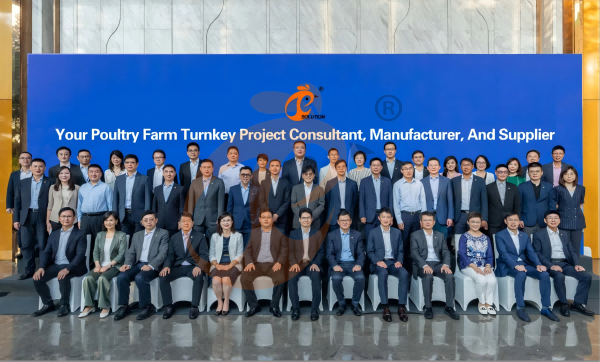
Hong Kong Headquarter Management Team
Hong Kong Headquarter Taiyu Industrial Group CO., LTD
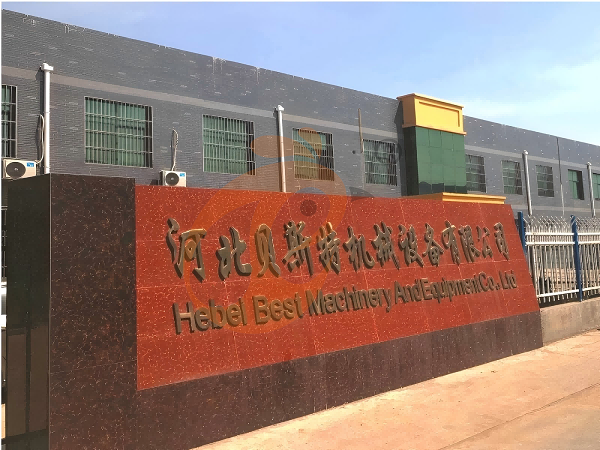
China Hebei Best Machinery And Equipment CO., LTD
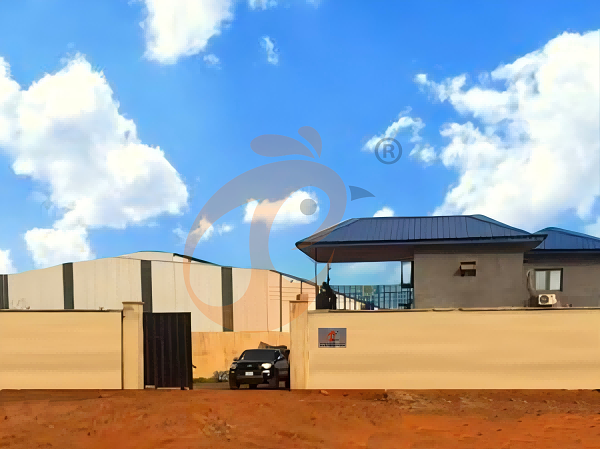
Nigeria Vanke Machinery And Equipment CO., LTD
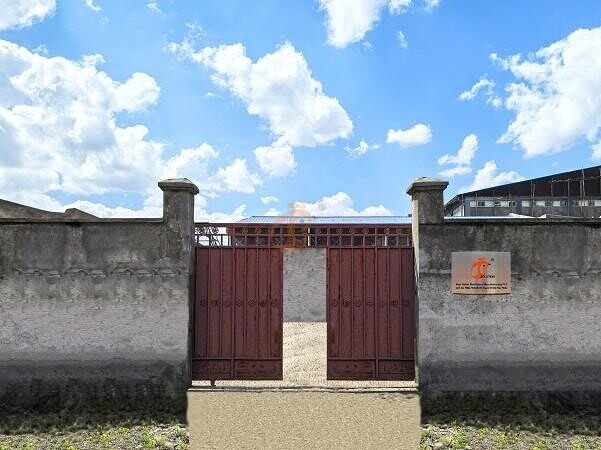
Tanzania Best Machinery And Equipment CO., LTD
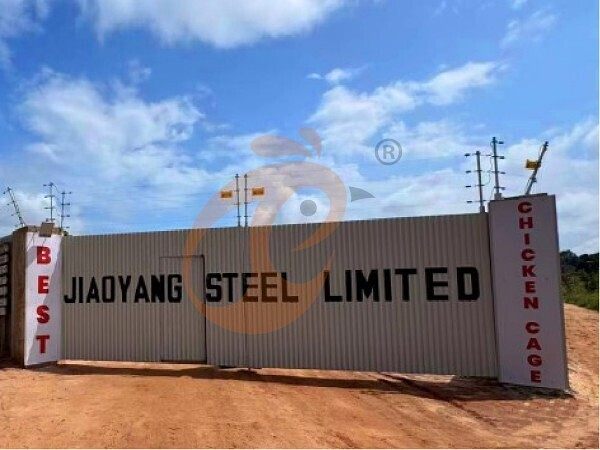
Ethiopia Best Hebei Machinery Manufacturing PLC
Reception /24 WhatsApp NO. : +8618830120193
SEND YOUR MESSAGE TO US
(* We will reply your inquiry to this Email as soon as we see it.)RECENT BOLGS
CONTACT US
HOT PRODUCTS